What happened
Slok warned that the demand curve for compute is flat and price-sensitive, with AI acting as a cost center, not a growth driver, for most investing companies.
Why it matters
If firms see little payoff, they may grow reluctant to pay for AI, undermining claims of unlimited data-center demand and the capex plans behind it.
Summaries like this, every morning.
Torsten Slok's series of notes this past week came as Wall Street retreated from the AI sector, with traders doubting how much longer the capital expenditure orgy can go on. His argument centers on the relationship between compute costs and business returns: companies will only pay a high price if it translates to higher revenue growth, bigger profits, or substantial savings—and he sees little sign any of those exist at scale.
Slok extended his warning to the financing side, suggesting a circular dynamic between AI startups and the venture capital firms that invest in them. He also contrasted the Magnificent Seven, where profit margins and revenue per worker are rising, with the rest of the S&P 500, which has seen no such improvement. In his view, Corporate America overall doesn't need the latest AI model—and doesn't want to pay for it.
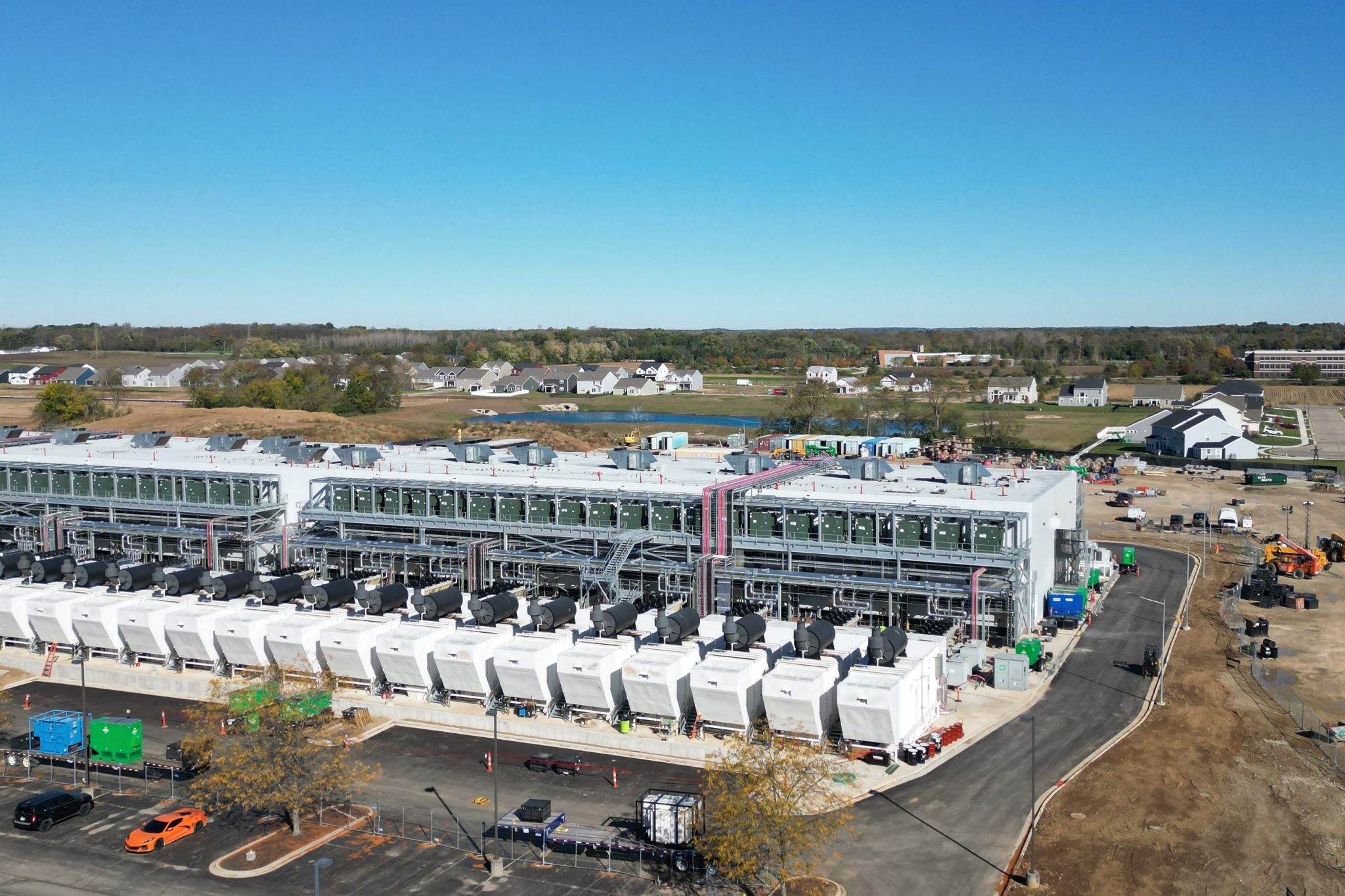
The broader market context includes massive planned spending by hyperscalers, estimated at $800 billion this year with capex next year seen topping $1 trillion. Meta, planning to spend $135 billion-$145 billion this year, saw the cost of insuring its debt against default touch a record on Thursday. S&P's Mark Habib also flagged 'interconnected financing structures' between hyperscalers and data center projects or smaller AI companies, warning that more debt may exist beyond what is disclosed.
Pick your industry and the AI tools you use, and get news related to your work every day.
Free · 30 seconds with Google · unsubscribe anytimeWhat is AIToday? →
Ask AI anything about this article. The AI reads this article, earlier AIToday articles, and Wikipedia, and cites its sources. Q&As are published on this page for other readers too.
S&P Global reports Q3 on Oct

Vertiv and NVIDIA presented at GTC on how they can halve AI factory deployment time

CVS Health appointed Jack Hanlon, who previously held senior data and analytics roles at Meta and Reddit, as s…

T-Mobile US completed what Nvidia described as the first AI-RAN call on a live commercial network, unveiled at…

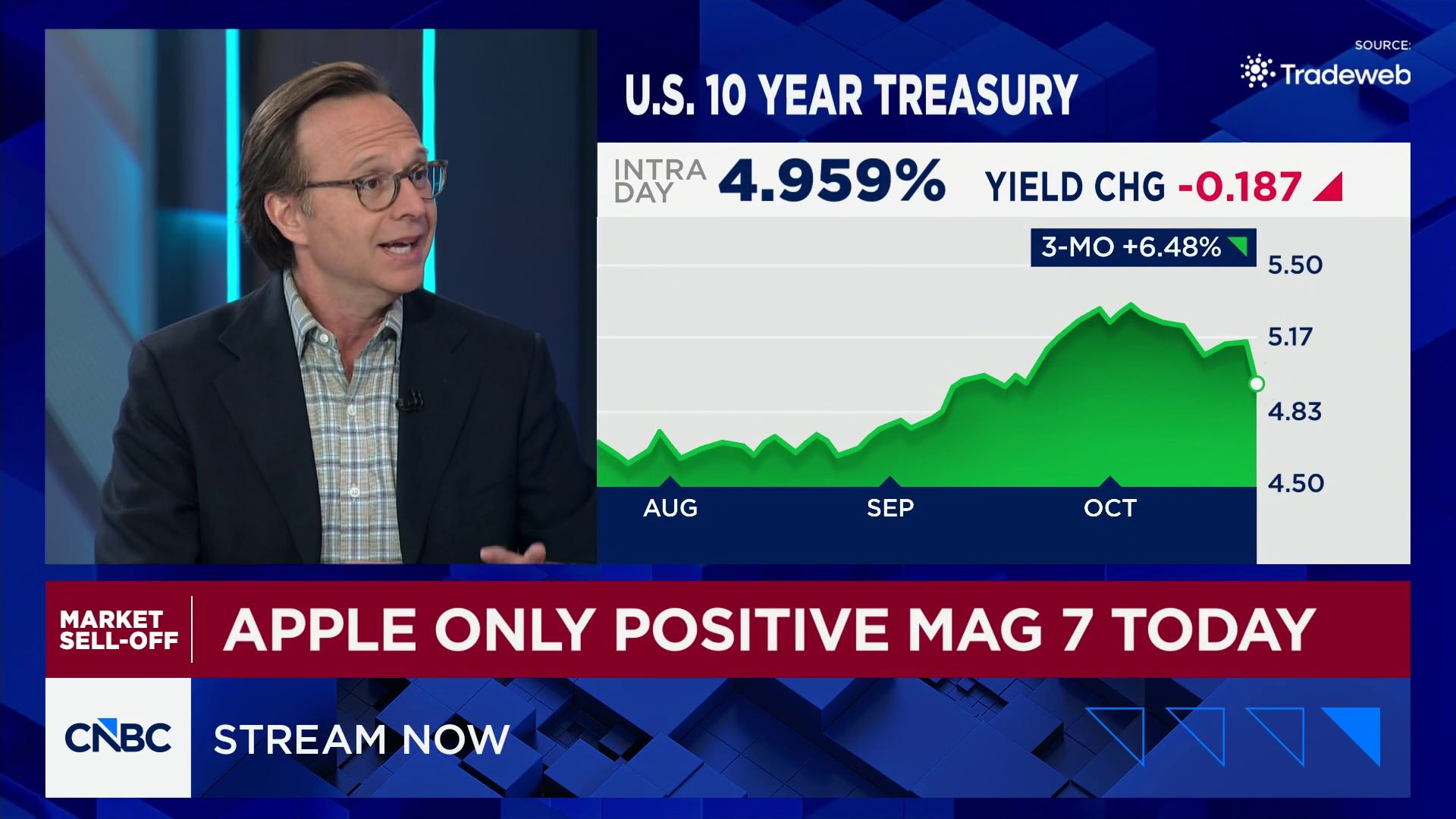
BlackRock Fixed Income Senior Portfolio Manager Jeff Rosenberg said the bond market is reacting rationally to…
Salesforce customers are bracing for new fees to use Anthropic's Claude inside Salesforce apps, per The Inform…