What happened
Arm's Dermot O'Driscoll is giving a RoboBusiness talk, "Building Physical AI that Scales," on October 20-21 in Santa Clara, Calif.
Why it matters
Arm says the challenge has shifted from what robots can sense and reason about toward system-level design — how compute balances real-time responsiveness, efficiency, and safety.
What to watch
O'Driscoll will present a framework for distributing intelligence across cloud and edge; the test is whether developers can keep systems adaptable, reliable, and safe at production scale.
WHO IT HITSRobotics developers and engineering leads building commercial autonomous systems will get Arm's proposed framework for choosing how to split intelligence between cloud and edge and how to coordinate learned and deterministic behaviors.
Ask the AI about this article →
Summaries like this, in your inbox every morning.
Arm's framing starts from recent advances in foundation models, vision-language-action systems, and edge AI, which the company says are expanding what robots can sense, reason about, and do. The next challenge, in Arm's view, is turning those capabilities into autonomous systems people can trust in the real world — whether restoring mobility through intelligent prosthetics, delivering critical medical supplies, or helping workers operate more safely alongside intelligent machines.
As robots become more capable, engineering priorities shift toward system-level design. Arm points to how intelligence is distributed across the robot, how learned and deterministic behaviors interact, and how compute platforms balance real-time responsiveness, efficiency, and safety. Arm's recently released Total Design, which brings together expertise across the technology stack to reduce integration complexity and accelerate autonomous system development, sits in that same direction.
O'Driscoll's session — drawing on lessons from across the robotics ecosystem — is positioned as a practical framework rather than a product announcement. The value for attendees likely hinges on whether the compute principles he presents translate into decisions they can apply as they scale to production, particularly around safety and reliability. Any broader shift in how the industry approaches physical AI would depend on whether such frameworks are actually adopted by development teams.
For example, today's edition would include:
AI-summarized, only the topics you pick — one digest a day via Email, Slack, or Discord.
Free · 30 seconds with Google · unsubscribe anytimeWhat is AIToday? →
Ask AI anything about this article. Q&As are published on this page for other readers too.
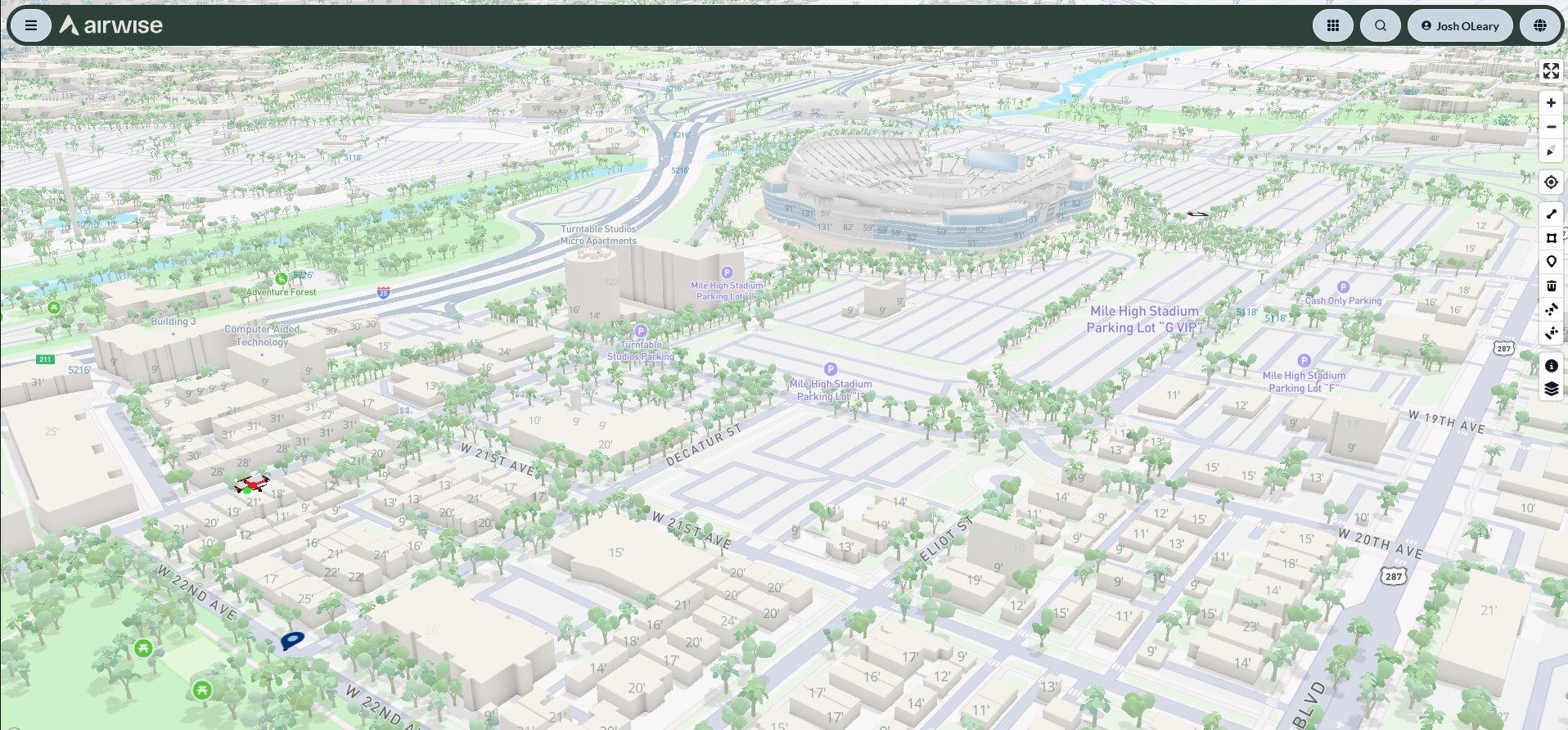
Airwise Solutions and UAS Sentry formed a partnership integrating UAS Sentry Nexus Remote ID detection into th…
AIVE AI Systems demoed Atlas GEO Cloud and Atlas GEO QGIS at INTERGEO 2026 in Munich — tools that build georef…
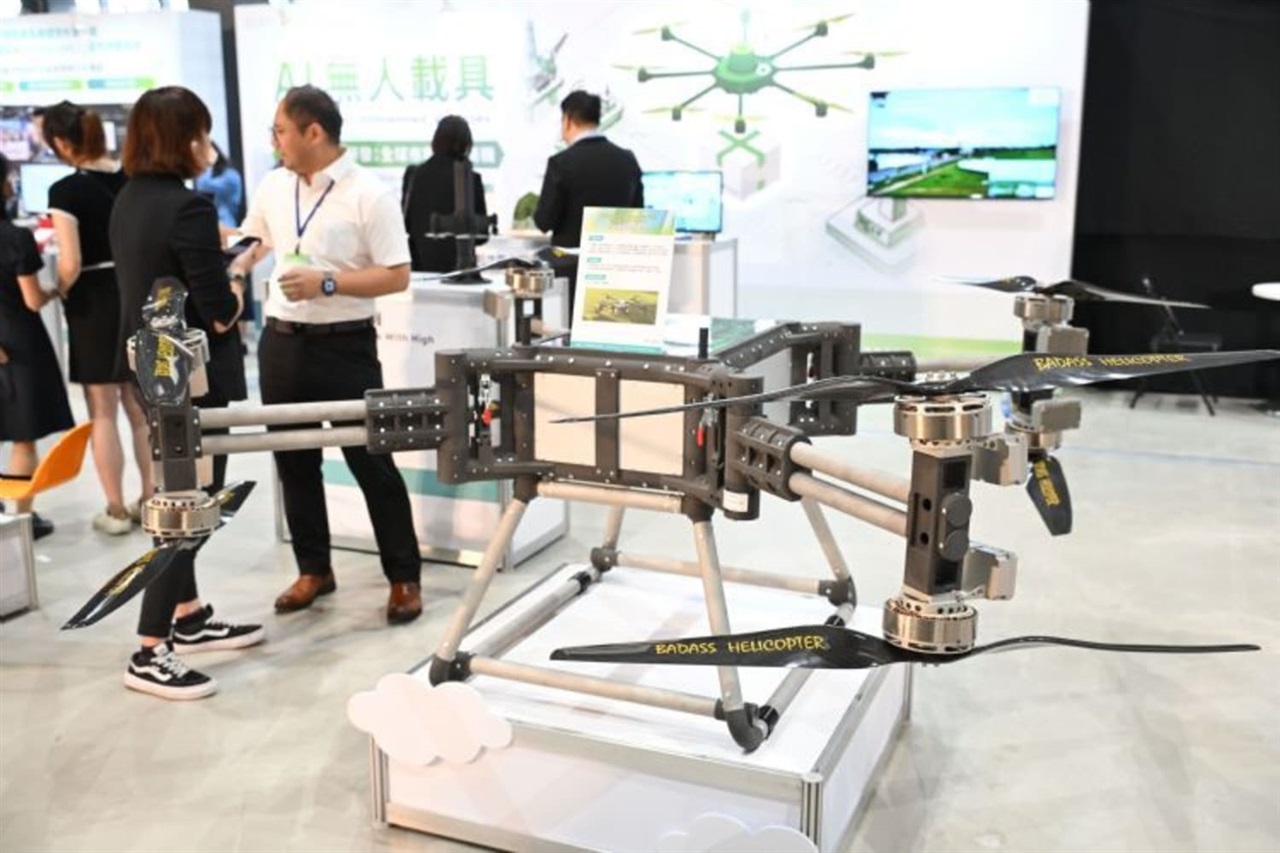
ITRI held its ITRI Innovation Day on September 15 in Tainan, Taiwan, bringing together research groups and sta…
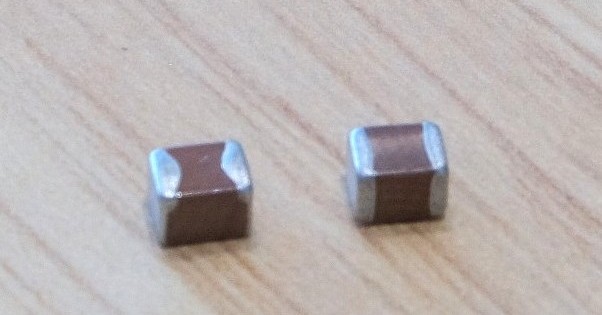
TDK said it has started mass production of multilayer ceramic capacitors rated at 100V and 10μF, targeting AI…

TDK has introduced a 10μF version of its MLCC that uses the company's own resin electrodes, with the design ai…
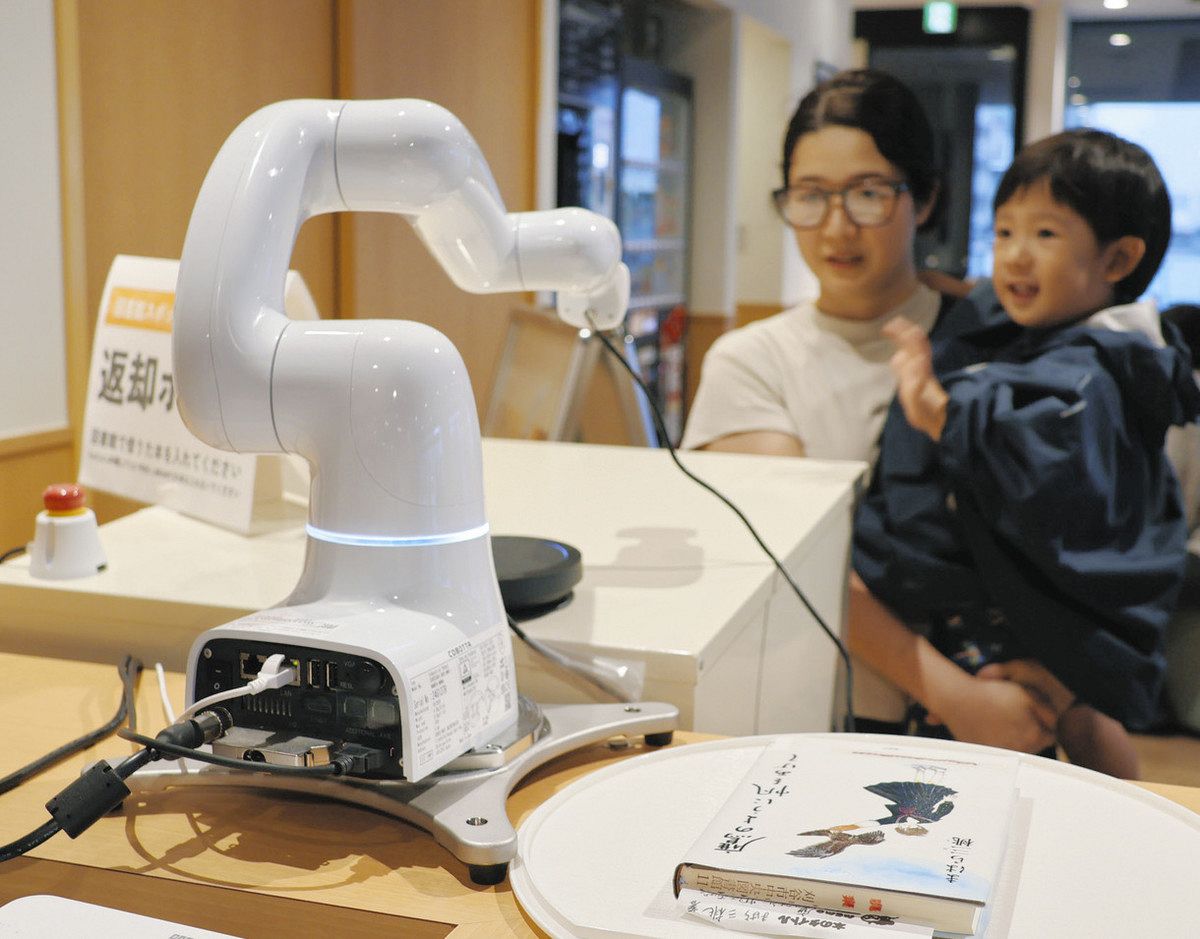
Two AI-equipped robots appeared for a limited time at "Caricoco" near Kariya Station's north exit