What happened
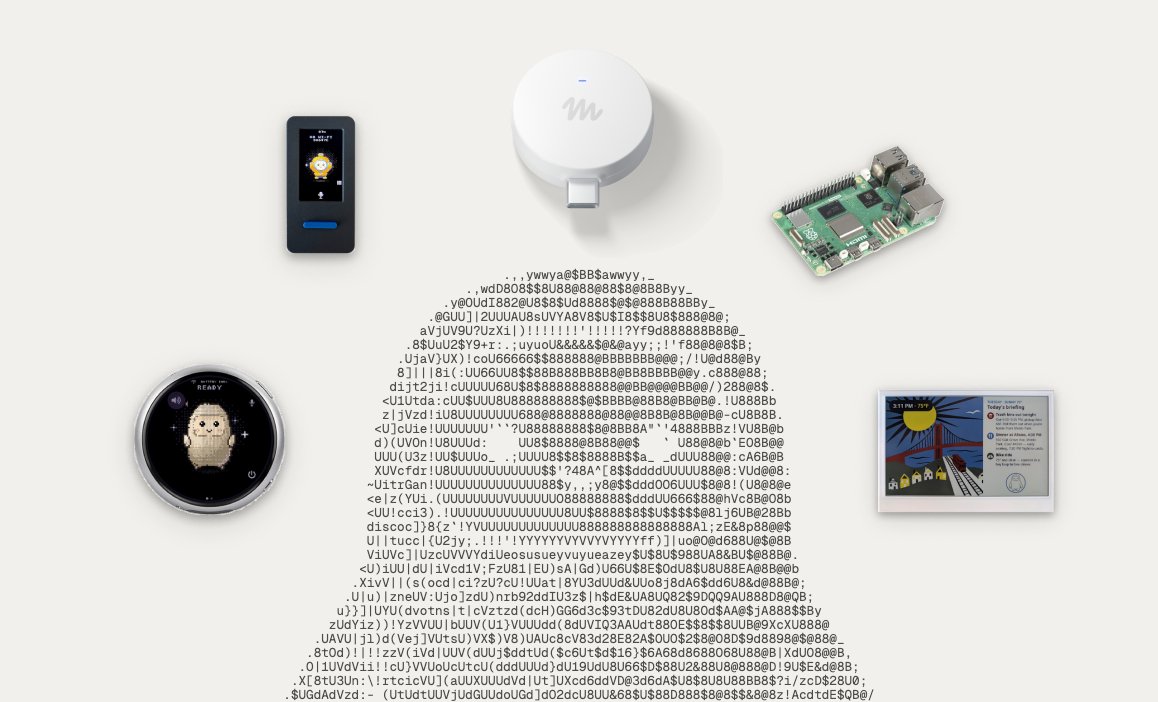
Meta announced Muse Gadgets, an open-source project with ESP32 firmware and a Linux SDK (a toolkit for developers) to connect homemade devices to its AI agent Muse, under an Apache 2.0 license.
Why it matters
By watching what the community builds, Meta can learn which form factors people actually want, since nobody has settled on what AI hardware should look like.
What to watch
Meta's own "Muse Home Link" USB-C gadget, with 5,000 units produced and shipping within weeks, is free for Muse subscribers while supplies last — the test is whether DIY and ready-made devices find an audience.
WHO IT HITSHobbyists and DIY hardware makers get open tools to build AI-connected devices, while Meta gains insight into which physical designs users actually want.
Summaries like this, in your inbox every morning.
Meta's move stands out because the AI hardware field is still unsettled. Apple and OpenAI are both working on their own devices, and Meta's Ray-Ban smart glasses are arguably the most successful AI gadget on the market so far, yet no single form factor has become the default.
By releasing Muse Gadgets under an Apache 2.0 license and inviting a Discord community to tinker, Meta appears to be hedging its bets. The open-source approach likely serves a second purpose: watching what the community builds could reveal which shapes and functions people actually want, information that is hard to get from internal prototypes alone. Meanwhile, the Muse Home Link offers a concrete, ready-made option for subscribers, connecting Muse to TVs, speakers, and anything else with an HTTPS interface.
What happens next may hinge on how quickly the 5,000 units ship and whether the open-source community produces designs that point to a breakout form factor. For Meta, the payoff would be learning faster than rivals what AI hardware should look like — though that depends on whether hobbyists embrace the tools and whether the free gadget offer converts into sustained use.
Pick your industry and the AI tools you use, and get news related to your work every day.
Free · 30 seconds with Google · unsubscribe anytimeWhat is AIToday? →
Ask AI anything about this article. The AI reads this article, earlier AIToday articles, and Wikipedia, and cites its sources. Q&As are published on this page for other readers too.
Manulife Financial Corporation launched a first-of-its-kind CoverMe travel insurance plugin in ChatGPT in late…

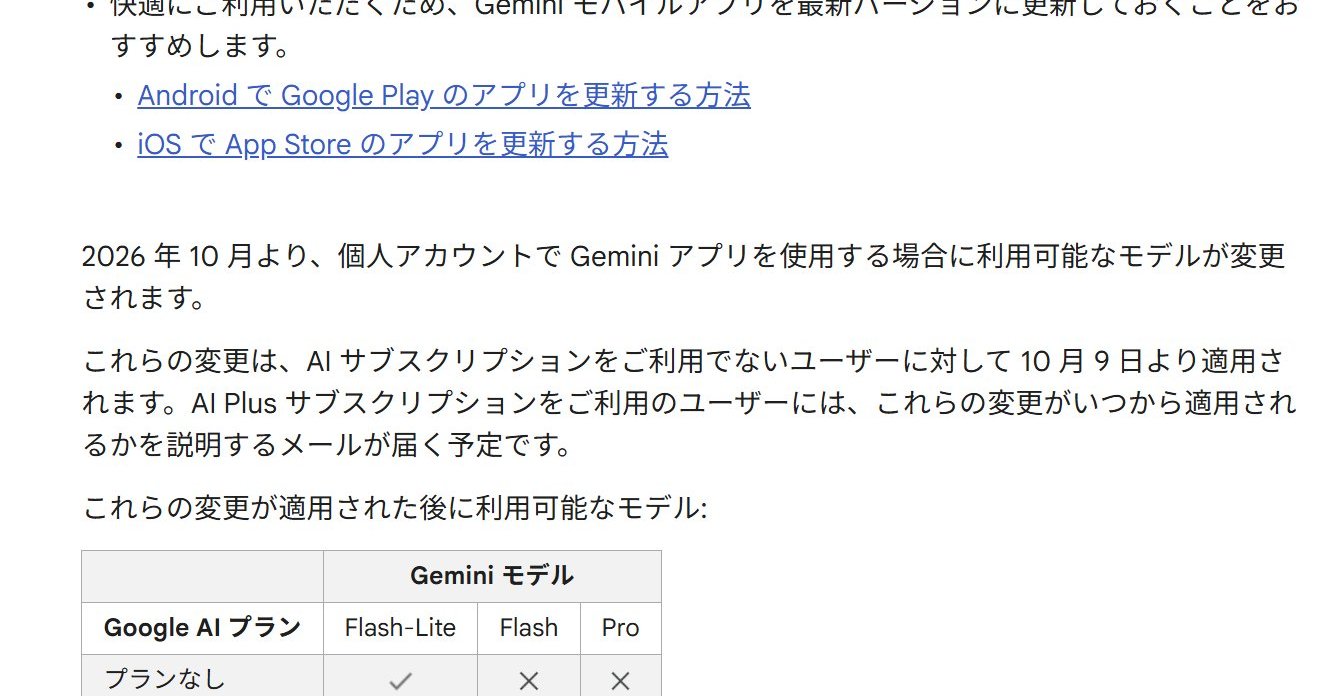
Google said free Gemini app users will be restricted to the "Flash-Lite" model starting October 9; "Flash" nee…
Nvidia expects AI spending to grow to $3 trillion to $4 trillion annually by 2030, while it reported $96 billi…

Indie developer Robert Varadan argues that AI models like Opus 5.5 and GPT-6 Astra can clone game demos from a…

David Robinson, who led safety reporting on OpenAI's main products, resigned, saying the company's culture is…
On September 25, Bank of America reiterated a Buy rating on Advanced Micro Devices and raised its price target…