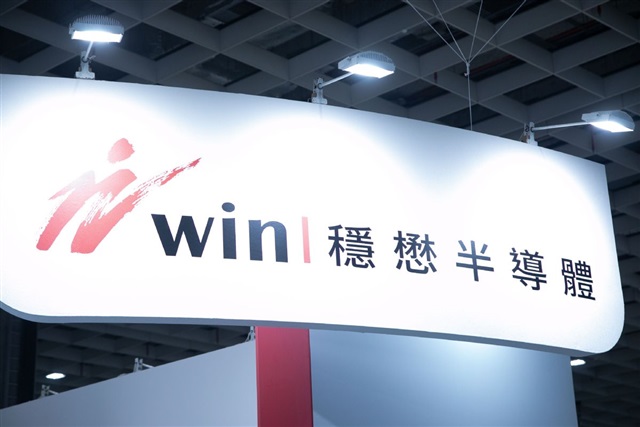
WIN Semiconductors, a gallium arsenide foundry, expects infrastructure revenue to keep growing through the third quarter of 2026 as demand from low Earth orbit satellites and aerospace applications accelerates. This marks a shift toward AI-driven optical communications infrastructure as smartphone shipments decline.
Summaries like this, in your inbox every morning.
Sign up free →What happened
WIN Semiconductors, a gallium arsenide (GaAs) foundry, expects infrastructure revenue to continue growing in the third quarter of 2026, supported by demand from low Earth orbit (LEO) satellites and aerospace applications.
Why it matters
The company is benefiting from optical communications infrastructure tied to AI expansion, a shift as traditional smartphone demand weakens. Infrastructure and aerospace customers are becoming a more substantial revenue driver for WIN.
What to watch
The timing and magnitude of the Q3 2026 infrastructure revenue ramp, and whether the LEO satellite and aerospace segment sustains this growth trajectory.
WIN Semiconductors, a gallium arsenide (GaAs) foundry, reported expectations for continued infrastructure revenue growth in the third quarter of 2026. The growth is being fueled by demand from low Earth orbit (LEO) satellites and aerospace applications. This marks a notable shift in WIN's revenue composition as smartphone shipments—historically a core market for the foundry—face headwinds. The company's focus on infrastructure, particularly optical communications hardware that supports AI systems, reflects the acceleration of AI-related capital spending and the buildout of connectivity infrastructure required to support satellite-based internet and distributed computing networks. WIN's gallium arsenide technology, used for high-frequency and optoelectronic applications, is well-positioned for these aerospace and satellite segments where performance at scale is critical. The outlook through Q3 2026 signals confidence that this infrastructure demand will remain robust over the medium term.
WIN Semiconductors' outlook reflects a broader shift in semiconductor demand as AI infrastructure buildout accelerates. The company's gallium arsenide foundry services have traditionally served diverse markets, but the article indicates that low Earth orbit satellite and aerospace segments are now becoming material growth drivers. This pivot away from smartphone-centric revenue is significant because it shows how optical communications infrastructure—critical for connecting AI data centers and supporting next-generation satellite internet—is creating new demand for specialized semiconductor materials and manufacturing. The timing through Q3 2026 suggests WIN expects this cycle to sustain through at least the middle of 2026.
AI-summarized, only the topics you pick — one digest a day via Email, Slack, or Discord.
Free · takes 30 seconds · unsubscribe anytime
No comments yet. Be the first to share your thoughts!
Log in to join the discussion

Get curated AI news from 200+ sources delivered daily to your inbox. Free to use.
Get Started FreeFree · takes 30 seconds · unsubscribe anytime
