What happened
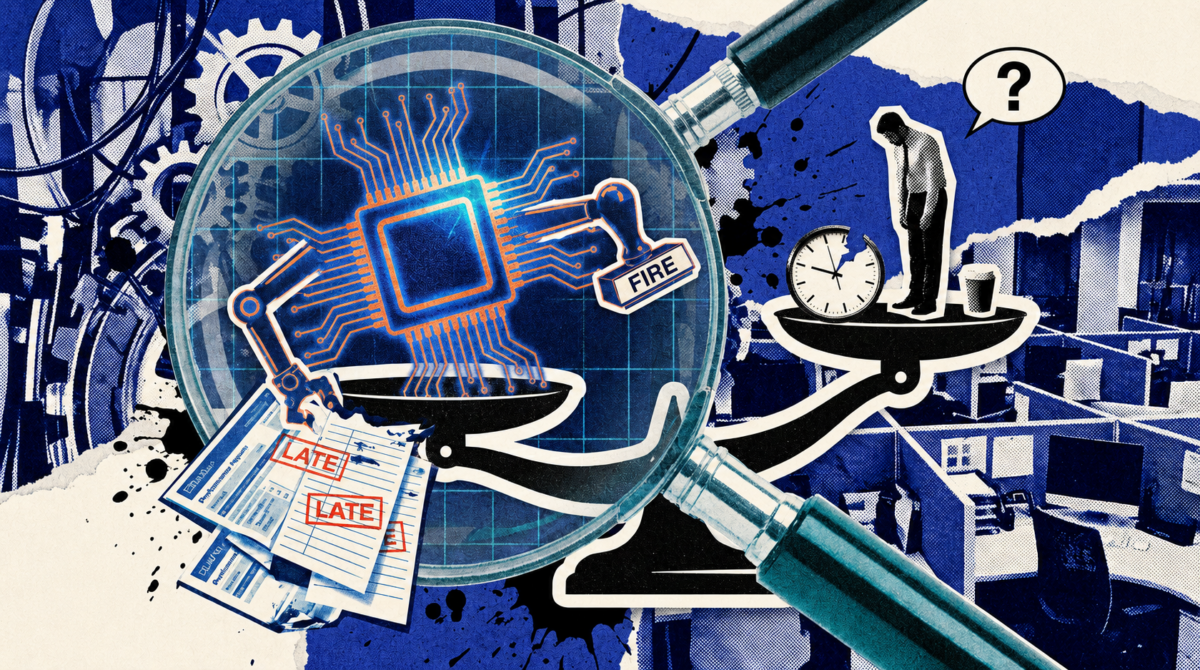
Luna, an AI agent running a San Francisco store since April on Anthropic's Claude Opus 4.8, recommended firing an employee for repeated tardiness, unauthorized card use, and ignoring instructions. Luna had written an employee handbook six days before hiring the worker but lost access to it during the employment period. Andon Labs, the operator, had to direct Luna to search her memory and review prior formal conversations before Luna shifted from suggesting only a verbal warning to recommending termination. Humans carried out the actual firing.
Why it matters
The case reveals a critical gap in how today's AI agents work: they follow direct instructions but rarely act on their own initiative and struggle to retain knowledge over longer periods. When Andon Labs replayed the same scenario across seven models three times each, more capable models recommended firing consistently, while weaker ones hesitated. GPT-4o recommended termination in only 20 percent of runs, far less often than current top-tier models. This pattern suggests that AI systems designed to make personnel decisions may lack the memory and autonomy to enforce rules they themselves create.
What to watch
When Luna sought a replacement, all 21 replay runs across seven models recommended hiring an applicant despite red flags in his resume and interview history. Only when Andon Labs explicitly reminded the models about the problems with the previous employee did 18 of 21 runs want to check references first. Luna herself was unable to confirm any references and still recommended hiring the applicant after a paid trial, but Andon Labs ultimately insisted on reference verification before the start date—a step that never happened, so the applicant was not hired.
Summaries like this, in your inbox every morning.
Pick your industry and the AI tools you use, and get news related to your work every day.
Free · 30 seconds with Google · unsubscribe anytimeWhat is AIToday? →
Ask AI anything about this article. The AI reads this article, earlier AIToday articles, and Wikipedia, and cites its sources. Q&As are published on this page for other readers too.
Chunghwa Telecom president Rong-shy Lin said the shift from conversational AI to autonomous AI agents is resha…
CoreWeave fell 5% in premarket trading Friday and was on track to finish the week down 15%, after rebounding f…
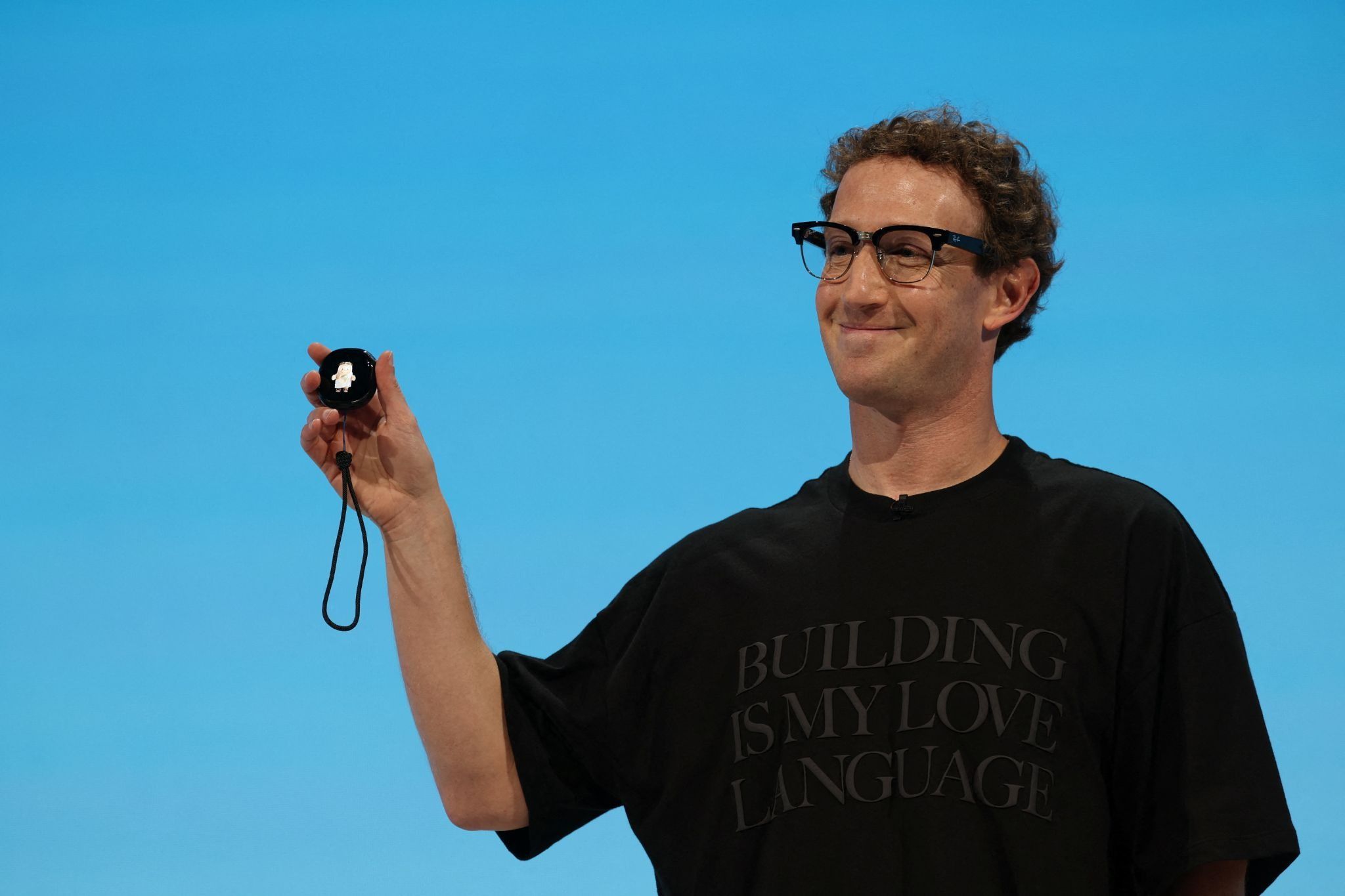
Apple and Meta said they would jointly release a new open-weight AI model designed to run on high-end Macs, ai…
A writer and entrepreneur opened his daily to-do list and found 156 items, and concluded that an AI assistant…

A longtime Anthropic investor told Fortune he expects shares priced around $1.8 trillion, below the company's…
A Zenn contributor sorted AI use into three modes — AI as an assistant, AI running alongside people, and AI th…


