What happened
A solo car-accessories seller had Claude Code build an order-management system and asked it to match sales against purchase costs; the AI applied each order's total purchase cost to every line item in that order, doubling cost and turning profit into a reported 94,273-yen loss instead of a 36,636-yen profit.
Why it matters
The AI was not lying but had mistaken the unit of calculation — per line item instead of per order — and it was confident enough that the seller nearly raised prices or delisted the product.
Summaries like this, in your inbox every morning.
The seller runs a one-person online car-accessories business and built an order-management system with Claude Code to compare sales against actual purchase costs per product. The trap was structural: a single order can contain multiple line items, while the purchase order for stock is placed once per order. Applying the full order-level purchase cost to each line item doubled the cost side and made a profitable product appear to be a 94,273-yen loss.
The same month brought a second, similar error. A calculation concluded that wholesale sales were almost in the red because it omitted the shipping fees received from customers; once that revenue was added, wholesale turned out to be 2〜9% profitable. In both cases the AI was confidently wrong, and in the first case the seller nearly acted on the bad number by raising prices or delisting the product.
The seller's response was to adopt three habits: asking what unit a figure was aggregated on, hand-checking one case with a calculator, and asking what income or costs are missing. The correction — match purchase cost and sales at the order level — was written into Claude Code's memory so the same mistake would not recur, which points to a practical role for the human as the one who verifies the numbers.
Pick your industry and the AI tools you use, and get news related to your work every day.
Free · 30 seconds with Google · unsubscribe anytimeWhat is AIToday? →
Ask AI anything about this article. The AI reads this article, earlier AIToday articles, and Wikipedia, and cites its sources. Q&As are published on this page for other readers too.
Motive launched Agents, autonomous AI that resolves compliance, maintenance and safety issues without human in…

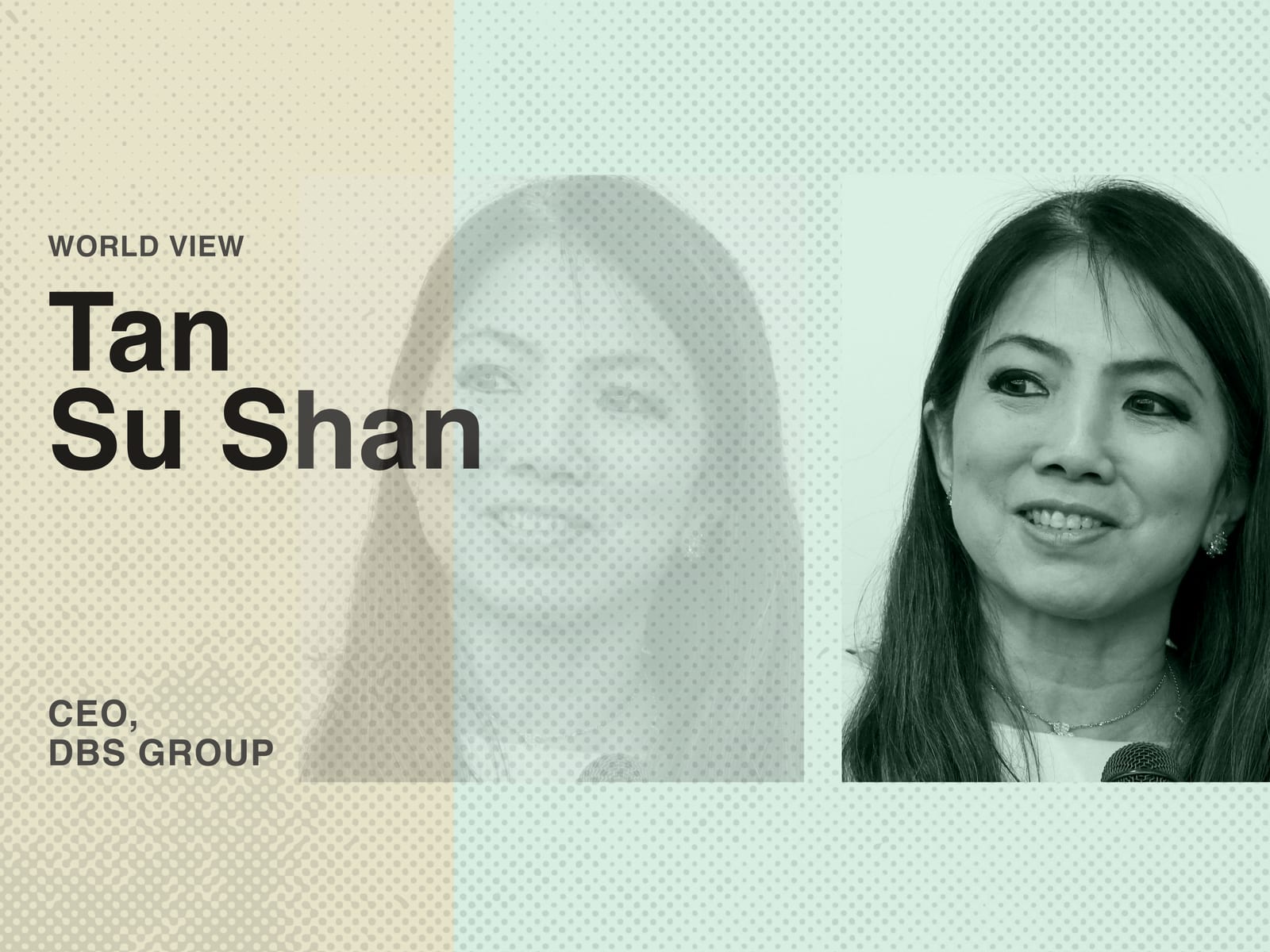
DBS CEO Tan Su Shan said shortages in memory, chips and power will soon extend to capital, and that AI users w…
Anthropic said it would commit 5% of its shares — potentially more if it hits unspecified revenue targets — to…

Two data center and neocloud executives told The Information that only seven to ten of the hundreds of AI clou…
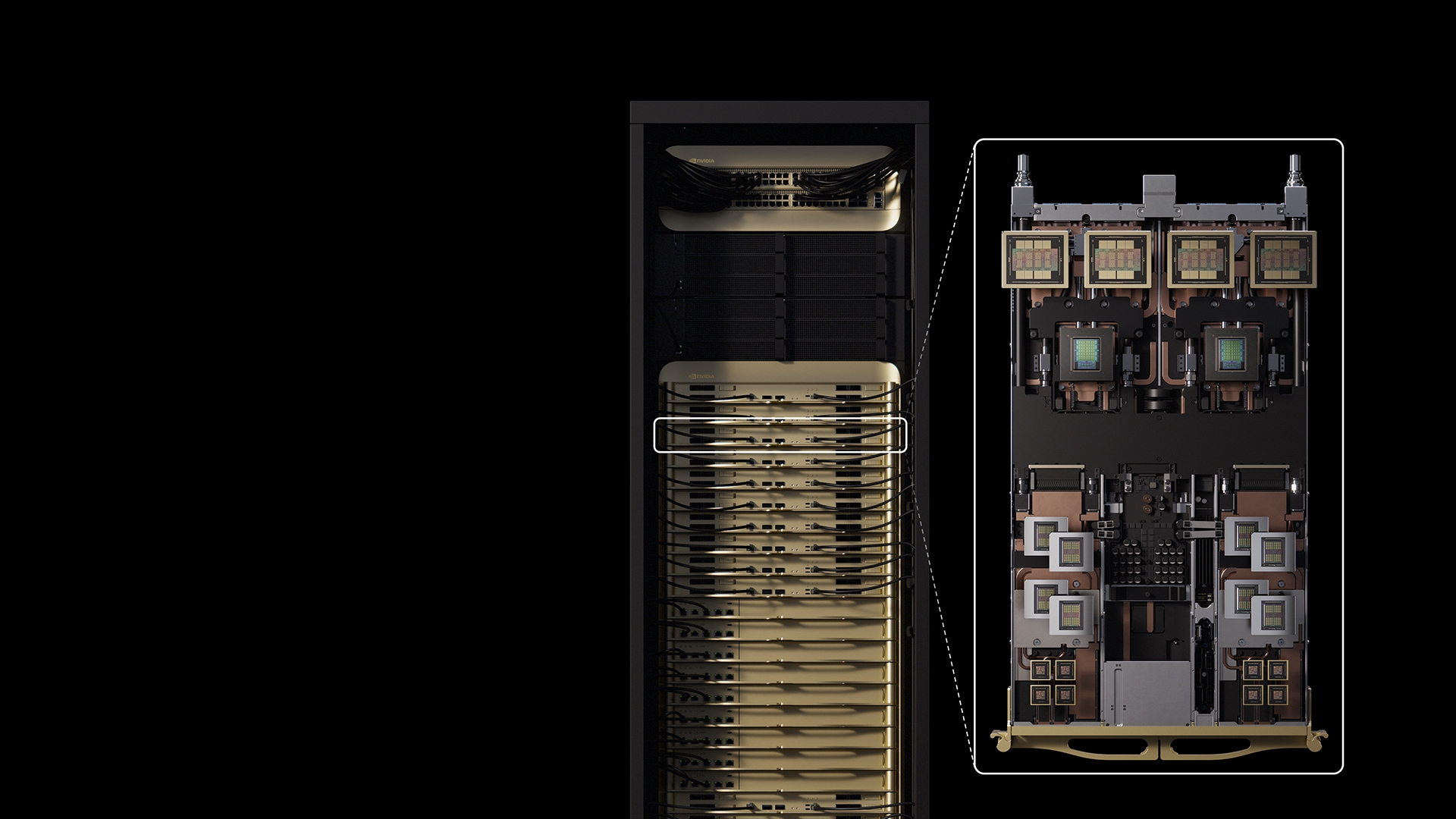
Anthropic plans a fund holding 5% of its shares, with possible direct payments to workers displaced by AI; CEO…

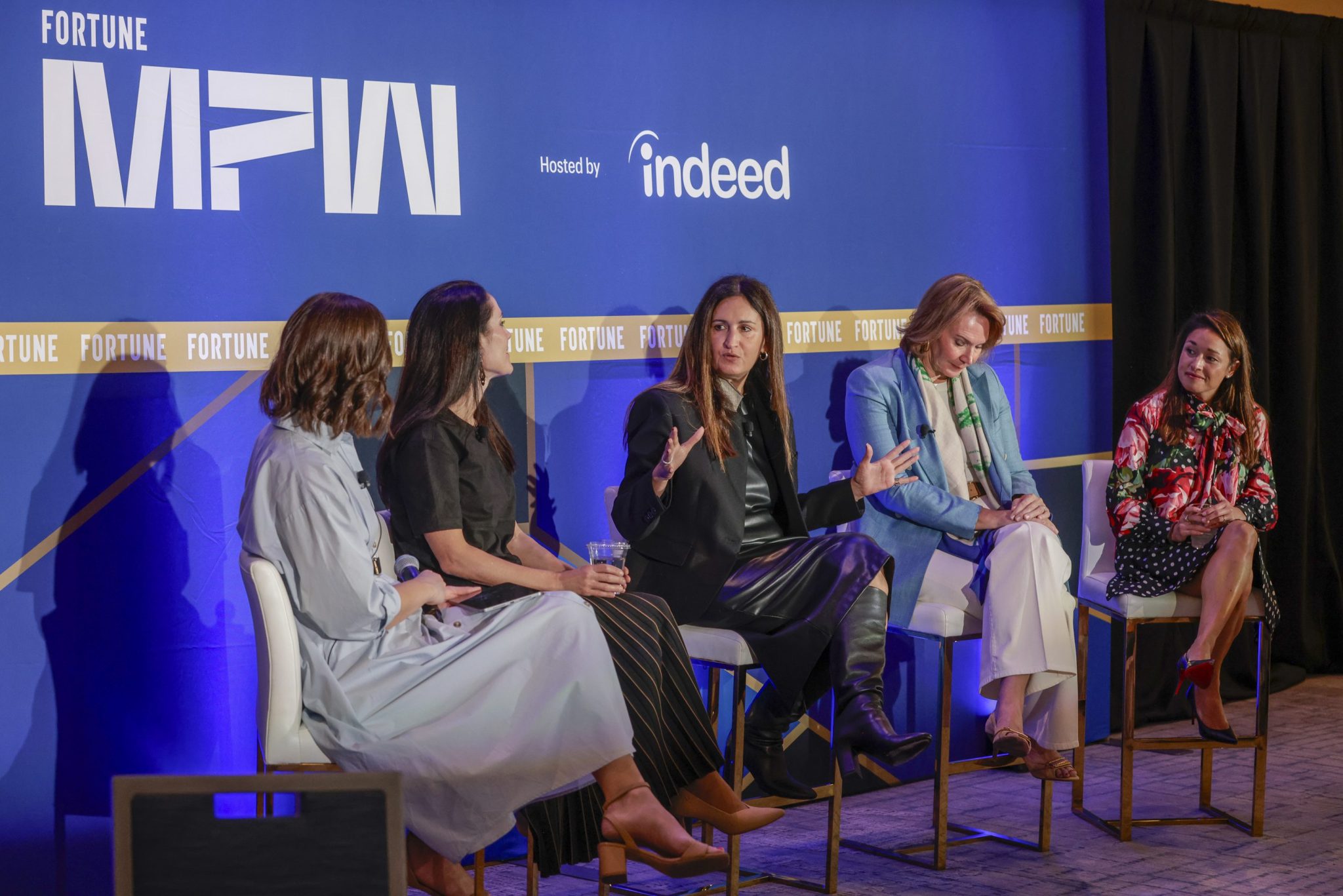
At the Fortune Most Powerful Women conference last week, leaders from PepsiCo, Indeed, Dropbox and Bristol Mye…