Summaries like this, in your inbox every morning.
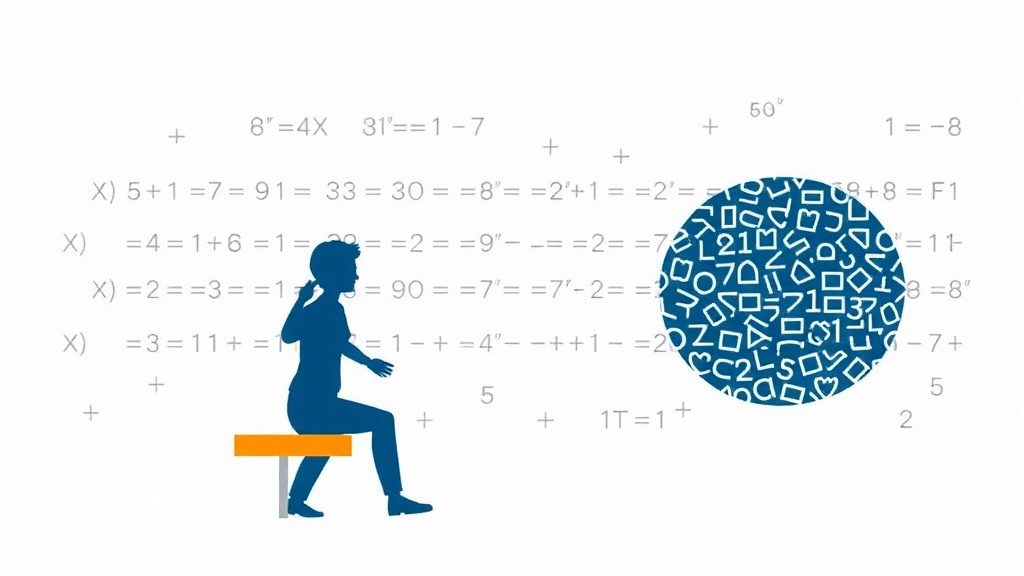
Sign up free →In encoder-decoder arithmetic models, the generalization delay in grokking reflects limited decoder access to learned structure rather than failure to acquire it
Encoders organize parity and residue structure within the first few thousand training steps, while output accuracy remains near chance for tens of thousands more steps
Transplanting a trained encoder into a fresh model accelerates grokking by 2.75x, while transplanting a decoder actively hurts performance
Freezing a converged encoder and retraining only the decoder achieves 97.6% accuracy versus 86.1% for joint training, eliminating the plateau entirely
No comments yet. Be the first to share your thoughts!
Log in to join the discussion

Get curated AI news from 200+ sources delivered daily to your inbox. Free to use.
Get Started FreeFree · takes 30 seconds · unsubscribe anytime
1 minute a day. The AI essentials.
200+ sources · Email / LINE / Slack
