What happened
Recursive Superintelligence, an AI company that emerged from stealth in May with $650 million in funding, announced a multiyear $410 million compute deal with Amazon Web Services on Tuesday. Founder and CEO Richard Socher said he expects this to be the first of many such deals, calling today's announcement "likely going to be one of the smallest compute deals we're going to sign in the next few years."
Why it matters
Recursive is building self-improving AI systems—a compute-intensive approach where the company aims to automate its own product development, prioritizing what Socher calls "agent count" over headcount. The deal gives AWS a foothold with a foundation-level AI company pursuing this strategy, and includes co-development of infrastructure purpose-built for such companies, which may signal AWS's positioning in the competitive race for compute-heavy AI research.
What to watch
Socher said Recursive plans to release "actually tangible, useful things" by October or so—within a few months, not quarters or years—making product delivery timelines the key measure of whether the company's self-improvement approach translates to real-world results.
Summaries like this, in your inbox every morning.
Recursive Superintelligence's $410 million compute agreement with AWS reflects a broader shift in how AI companies are structured and funded. Rather than the traditional model of hiring talent and building internal operations, Recursive is redirecting capital almost entirely toward computational resources and agents—software systems that can operate autonomously. This approach aligns with the company's core focus on recursive self-improvement (RSI), where AI systems improve themselves without constant human intervention, a capability many in the field see as a critical inflection point.
The deal's structure is notable in what it excludes: AWS is not taking an investment stake, which differs from how major AI labs typically arrange partnerships. However, AWS gains strategic value through co-development of specialized infrastructure, positioning it to serve future foundation-level AI companies pursuing similar self-improvement strategies. Socher's comment that this will be "one of the smallest compute deals" Recursive signs in coming years suggests the company expects exponential scaling—a bet that self-improving systems will justify increasingly large capital commitments.
Pick your industry and the AI tools you use, and get news related to your work every day.
Free · 30 seconds with Google · unsubscribe anytimeWhat is AIToday? →
Ask AI anything about this article. The AI reads this article, earlier AIToday articles, and Wikipedia, and cites its sources. Q&As are published on this page for other readers too.
In Q2, billionaires or their funds sold six 'Magnificent Seven' AI stocks
Nvidia was rising early Friday, even as the wider chip sector kept falling, Barron's reported
ElevenLabs completed a $300 million employee tender at a $22 billion valuation, and co-founder Mati Staniszews…

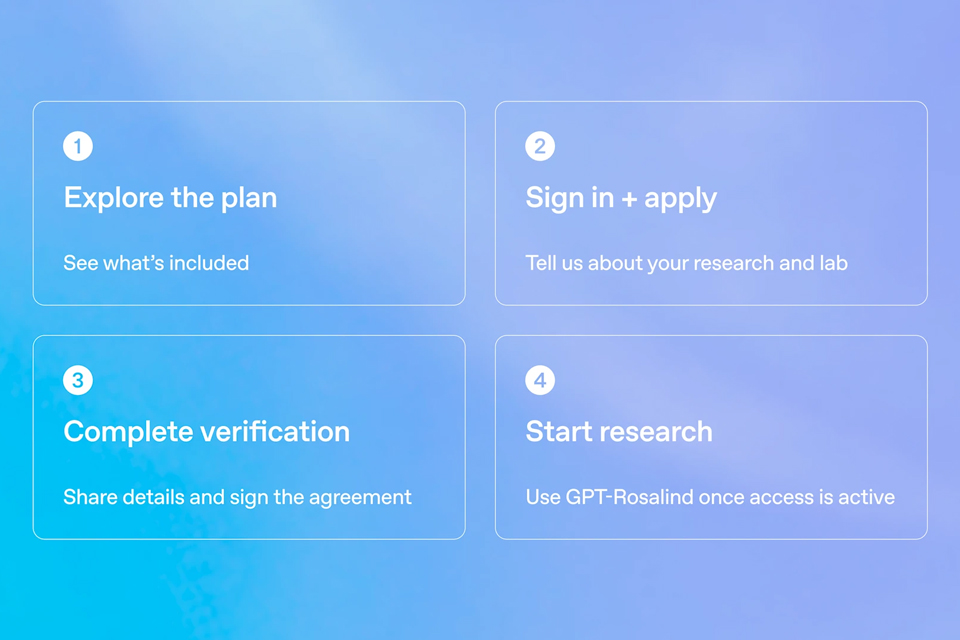
On October 15, OpenAI announced the Rosalind Academic Plan, giving approved US university labs free access to…
Neostellar Capital principal Evan Schlossman said CoreWeave's $103.7 billion in remaining performance obligati…
A Qiita article compared automated red-teaming methods for LLM apps — GCG, PAIR, and TAP — using mock implemen…