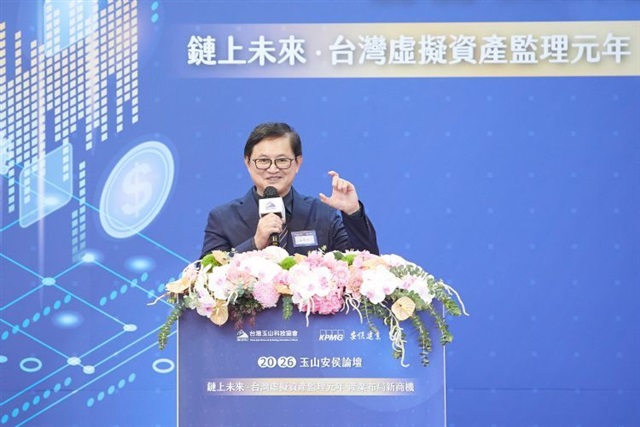
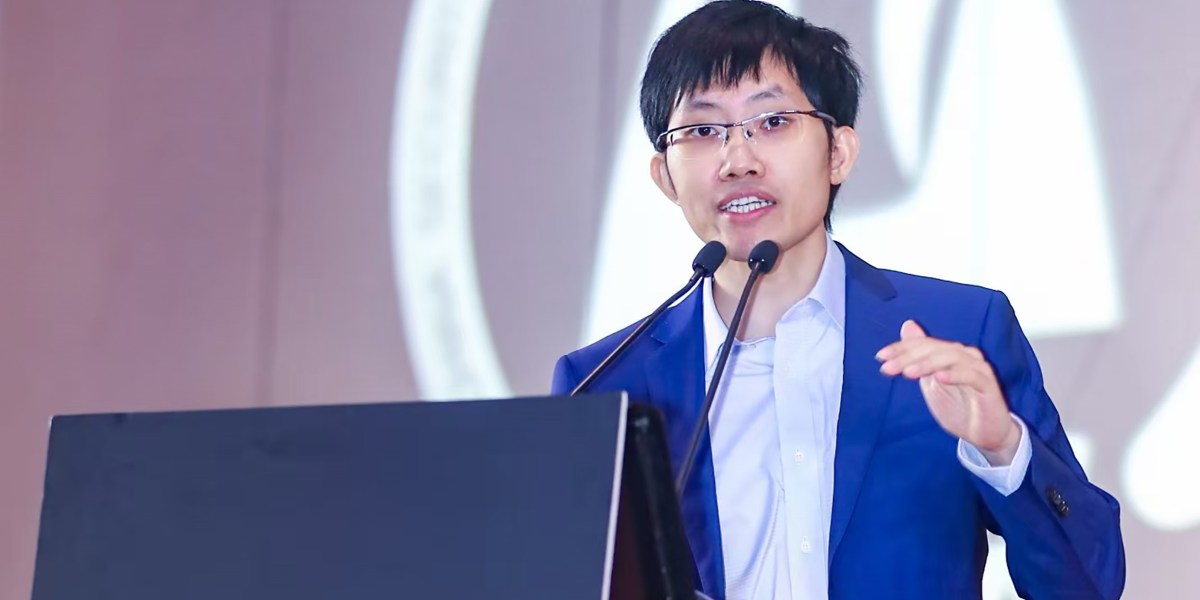
Pegatron Chairman T.H. Tung said on July 21 that Taiwan has reached above 85% self-sufficiency in satellite components, a sign the island is positioned to compete in space as geopolitical tensions push strategic industries into that sector. However, Tung indicated that the remaining progress depends on government action, not private industry alone.
Summaries like this, in your inbox every morning.
Sign up free →What happened
Pegatron Chairman T.H. Tung said on July 21 that Taiwan's satellite component self-sufficiency rate has climbed above 85%, positioning the island to compete in the space sector as geopolitical tensions drive strategic industries into that domain.
Why it matters
As AI and semiconductors become geopolitical flashpoints, space capabilities are emerging as a new strategic battleground. Taiwan's high self-sufficiency in satellite components suggests the island can build domestic capacity—but Tung indicated the remaining 15% and future growth depend on government intervention.
What to watch
Tung's remarks signal that Taiwan's space competitiveness hinges on policy support beyond what private industry has already achieved. The government's next steps in funding, regulation, or industry coordination will shape whether Taiwan can close that final gap.
Speaking on July 21, Pegatron Chairman T.H. Tung addressed Taiwan's readiness to compete in the space sector amid shifting geopolitical pressures. As strategic industries such as AI and semiconductors become focal points of international tension, space capabilities are emerging as a new domain of competition. Tung reported that Taiwan's satellite component self-sufficiency rate has climbed above 85%, indicating that the island has developed substantial domestic capacity to produce critical components for satellites. However, Tung's remarks carried an implicit caveat: while Taiwan has achieved this level of self-sufficiency through private industry effort, the remaining progress—closing the final gap to full independence and supporting future growth—will require active government participation. This framing suggests that Taiwan's space sector stands at an inflection point where private-sector achievement has created a foundation, but sustained competitiveness and strategic security will depend on how the government responds with policy, funding, or coordination efforts in the years ahead.
Pegatron Chairman T.H. Tung's July 21 statement arrives as geopolitical tensions are reshaping which industries nations consider strategically vital. The article frames space as an emerging arena—one where AI and semiconductors, already central to U.S.–China competition, are now pushing strategic focus outward. Taiwan's position above 85% self-sufficiency in satellite components reflects investments and capabilities the island has already built; Tung's framing suggests the private sector has done substantial work. His implicit message—that the remaining 15% and future growth require government intervention—points to a gap between what the market has delivered and what sustained competitiveness will demand. This positions Taiwan's space sector as partly ready but not yet complete without policy support.
AI-summarized, only the topics you pick — one digest a day via Email, Slack, or Discord.
Free · takes 30 seconds · unsubscribe anytime
No comments yet. Be the first to share your thoughts!
Log in to join the discussion

Get curated AI news from 200+ sources delivered daily to your inbox. Free to use.
Get Started FreeFree · takes 30 seconds · unsubscribe anytime
1 minute a day. The AI essentials.
200+ sources · Email / LINE / Slack
