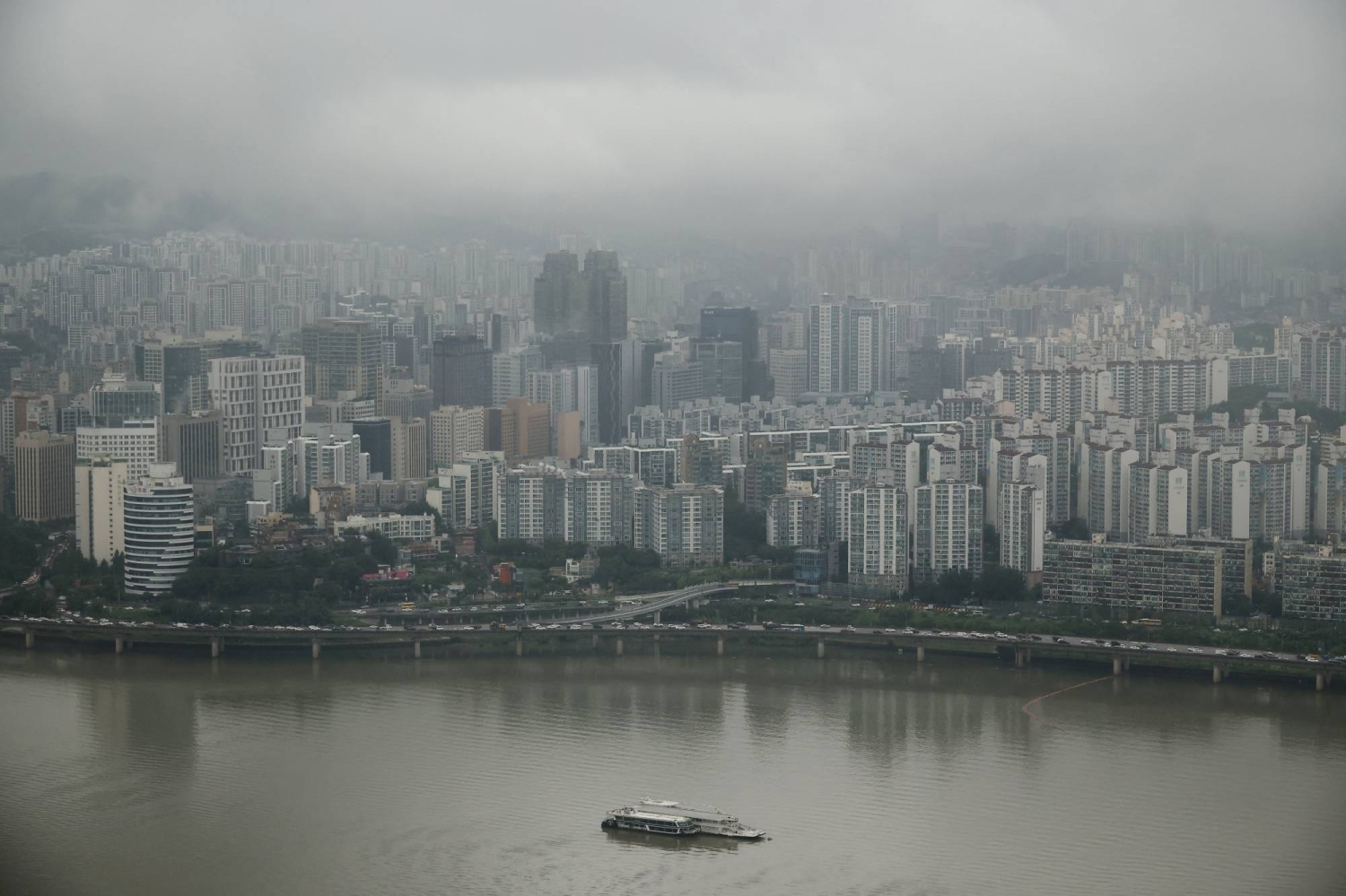
Seoul has deployed artificial intelligence-powered cameras on bridges over the Han River to detect potential suicide attempts and alert emergency responders. The system identifies people lingering in dangerous locations, entering unsafe zones, or using suicide-prevention phones. South Korea faces one of the world's highest suicide rates, making rapid intervention on the river — a frequent site of suicide attempts in the capital — a critical public health goal.
Summaries like this, in your inbox every morning.
Sign up free →What happened
South Korea has installed artificial intelligence-powered cameras on bridges over Seoul's Han River that alert first responders when someone may be about to jump. The system detects people lingering in certain locations, entering unsafe areas, or picking up dedicated suicide-prevention phones on the bridges.
Why it matters
South Korea has one of the world's highest suicide rates, and the Han River is a frequent scene of suicide attempts in the capital. The AI surveillance aims to enable rapid intervention when the system identifies someone in crisis, potentially saving lives in a country facing a severe public health challenge.
What to watch
The effectiveness of the AI detection system in identifying at-risk individuals and whether first responders can reach people in time to prevent attempts. The article does not provide data on the system's deployment timeline, coverage area, or initial results.
South Korea faces one of the world's highest suicide rates, a reality that has driven authorities to deploy innovative technological solutions in Seoul, the glittering capital city. The Han River, which flows through the heart of the metropolis, is both a landmark and a tragic focal point — it has become a frequent scene of suicide attempts. In response, authorities have installed AI-powered surveillance cameras on bridges spanning the waterway. These systems are designed to operate in real time: when the artificial intelligence detects certain warning signs, it immediately alerts first responders. The camera system monitors for three key indicators of imminent risk. First, it identifies people who linger in specific locations on the bridges — behavior that may signal hesitation or planning. Second, it detects when someone enters an area the system has classified as unsafe or particularly high-risk. Third, and most directly, the cameras monitor the use of dedicated suicide-prevention phones installed on the bridges themselves — phones that people in crisis can use to reach help. By automating detection and accelerating the alert process, the system aims to compress the critical window between the moment someone expresses suicidal intent and the moment emergency personnel can intervene. The urgency is clear: in a country with one of the world's highest suicide rates, seconds may determine whether a life is saved.
South Korea's deployment of AI surveillance on the Han River reflects the country's acute suicide crisis and a growing willingness to use technology to intervene in real time. The river itself carries symbolic weight — it is iconic to Seoul's identity, yet it has become synonymous with a public health emergency. By placing AI cameras at points where people are most likely to attempt suicide, authorities are attempting to compress the decision window: detect intent, alert responders, and enable intervention within minutes. The system's design suggests a shift from reactive emergency response to predictive monitoring, using machine learning to identify behavioral signals (lingering, entering restricted zones, using crisis phones) that human observers might miss or respond to too slowly.
AI-summarized, only the topics you pick — one digest a day via Email, Slack, or Discord.
Free · takes 30 seconds · unsubscribe anytime
No comments yet. Be the first to share your thoughts!
Log in to join the discussion

Get curated AI news from 200+ sources delivered daily to your inbox. Free to use.
Get Started FreeFree · takes 30 seconds · unsubscribe anytime
