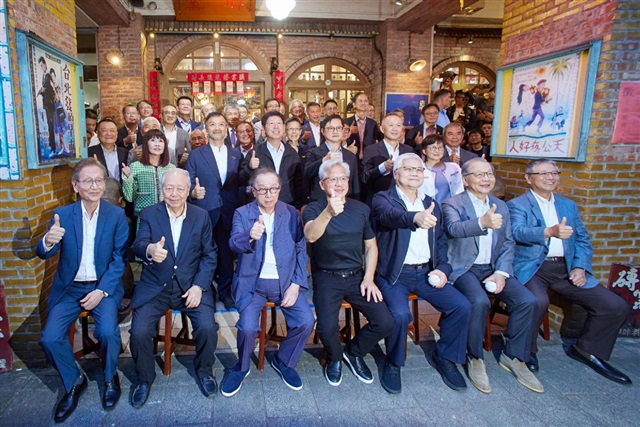
Generative AI is fundamentally reshaping how the global semiconductor and electronics supply chains operate across Asia, forcing a redefinition of the roles played by design, manufacturing, infrastructure, and applications. This shift raises questions about whether Taiwan's historical advantage in semiconductor manufacturing alone will remain sufficient as the industry's center of gravity moves to encompass broader capabilities.
Summaries like this, in your inbox every morning.
Sign up free →What happened
Generative AI is reshaping the semiconductor and electronics industries and redefining how global supply chains divide roles across design, manufacturing, infrastructure, and applications.
Why it matters
Taiwan's traditional dominance in semiconductor manufacturing is facing a structural challenge as AI reshapes which capabilities matter most in the value chain. Companies and countries must now compete across design, infrastructure, and software—not just production alone.
What to watch
How semiconductor players across Asia adjust their positions as the supply chain reorganizes around AI requirements, and whether Taiwan can defend its competitive position beyond manufacturing.
Generative AI is triggering a fundamental reorganization of how the semiconductor and electronics industries operate globally. The shifts are particularly pronounced in Asia, where the concentration of manufacturing, design, and supply-chain infrastructure has long made the region central to world technology production. The article indicates that Nvidia's strategic moves are remapping how these roles divide across design, manufacturing, infrastructure, and applications. This redistribution of value and responsibility across the supply chain raises strategic questions, particularly for Taiwan. The island has built its economic strength and geopolitical importance on its unmatched position in advanced semiconductor manufacturing—home to Taiwan Semiconductor Manufacturing Company (TSMC) and other leading chipmakers. However, as generative AI reshapes which capabilities drive competitive advantage, Taiwan faces a new challenge: whether its traditional strength in fabrication alone will remain sufficient to maintain its strategic edge as the industry redefines itself around AI requirements. The implications stretch across Asia's entire technology ecosystem, affecting not only chipmakers but also infrastructure providers, software companies, and countries betting on their position in the new supply-chain order.
The article identifies a structural shift underway in Asia's semiconductor ecosystem. Generative AI is not simply driving demand for existing products; it is reordering which parts of the supply chain create the most value. Historically, Taiwan's position as the world's leading semiconductor manufacturer gave it outsized influence over the entire industry's direction. However, the reshaping of roles across design, manufacturing, infrastructure, and applications suggests that manufacturing prowess alone may no longer be the dominant determinant of competitive advantage. Nvidia's remapping of Asia's AI supply chain signals that companies and countries must now compete on multiple fronts simultaneously—not just on production capacity or yield, but on design capability, software infrastructure, and the ability to serve emerging AI applications.
AI-summarized, only the topics you pick — one digest a day via Email, Slack, or Discord.
Free · takes 30 seconds · unsubscribe anytime
No comments yet. Be the first to share your thoughts!
Log in to join the discussion




Get curated AI news from 200+ sources delivered daily to your inbox. Free to use.
Get Started FreeFree · takes 30 seconds · unsubscribe anytime
