What happened
Google released Gemini Nano Banana 2.1, cutting API image output to $30 per 1 million tokens from Nano Banana 2's $60, while input rises to $1.5 from $0.50, and the older gemini-3.1-flash-image is deprecated and ends October 29.
Why it matters
Developers generating images at scale get cheaper output but pricier inputs, so total cost now depends on how much text and image data each request sends in, and the October 29 shutdown forces a migration.
What to watch
The gain hinges on whether quality holds at the lower output price, since input and text-output fees rose, and Google is steering users to migrate before gemini-3.1-flash-image ends October 29.
WHO IT HITSDevelopers and product teams building image generation or editing features on the Gemini API, who must weigh the halved image output price against higher input token costs and plan a migration before October 29. Teams running ad creative, design tools, or enterprise workflows through Google Ads, Flow, Stitch, or Gemini Enterprise Platform are affected by the rollout.
Summaries like this, in your inbox every morning.
Nano Banana 2.1 succeeds Nano Banana 2 (Gemini 3.1 Flash Image), and Google says the new model improves image quality, prompt adherence, text rendering, and character consistency across multiple edits. It keeps Flash-class processing speed and cost efficiency while adding support for wide and panoramic images at 1:4, 4:1, 1:8, and 8:1 ratios in 2K and 4K, addressing the tiling artifacts that appeared in the earlier model.
The launch also rebalances how Google charges for the model. Image output drops to $30 per 1 million tokens from $60, but text and image input rises to $1.5 from $0.50, and text and thinking output rises to $7.50 from $3. For teams combining many reference images in a single request, the multi-image fusion capability now allows up to 14 reference images, maintaining consistency for up to four characters and fidelity for up to 10 objects, alongside grounding through Google Search and Google Image Search.
The practical question for adopters is how that mix lands on their bills, since cheaper image output may be offset by pricier input and text output depending on usage patterns. Google is also pressing users to migrate, as gemini-3.1-flash-image is deprecated and stops on October 29; whether teams move in time, and whether the quality gains justify the new pricing structure, is likely to shape how quickly Nano Banana 2.1 is adopted.
Pick your industry and the AI tools you use, and get news related to your work every day.
Free · 30 seconds with Google · unsubscribe anytimeWhat is AIToday? →
Ask AI anything about this article. The AI reads this article, earlier AIToday articles, and Wikipedia, and cites its sources. Q&As are published on this page for other readers too.
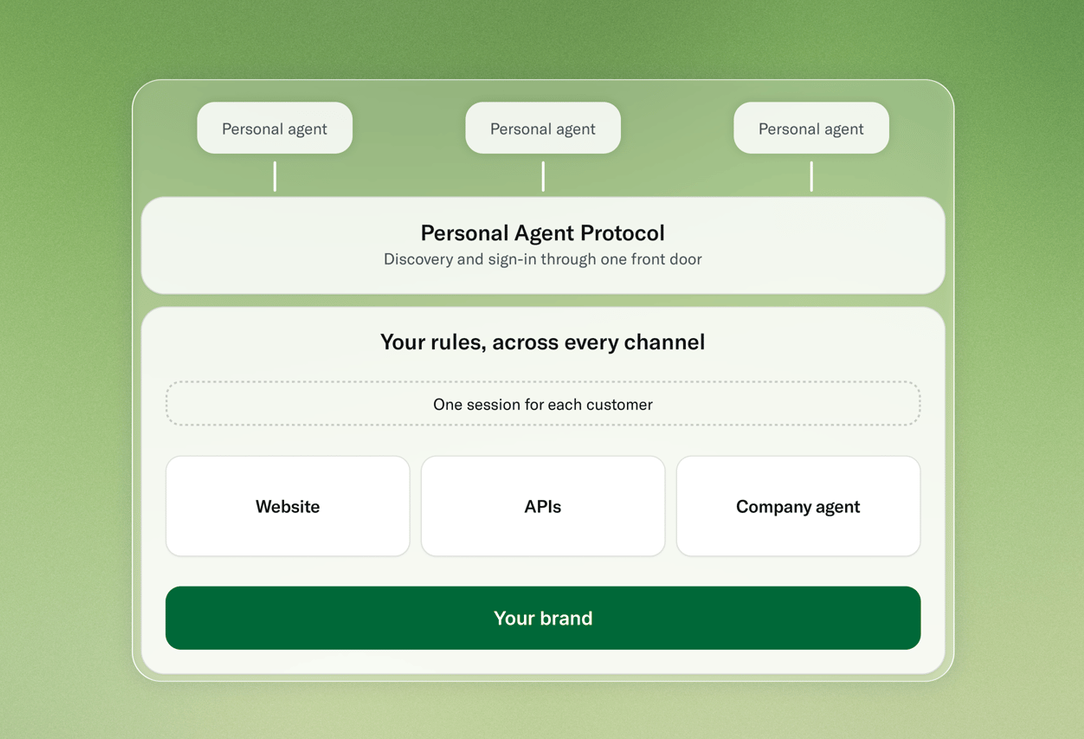
Meta, Walmart, Stripe and Sierra Technologies are creating the Personal Agent Protocol, introduced by Sierra c…
Caterpillar and CoreWeave shortened the data-labeling and feedback loop for training autonomous construction m…

Anthropic launched Claude for Google Workspace as a public beta for paid Claude plans, adding Claude to Google…
UWOTC-CWA published a petition ahead of a union authorization vote, telling Wizards of the Coast and parent Ha…
On Politico's "Decoded" podcast, Sam Altman said the world should accept "a few bad things" from AI to keep it…

AMD granted OpenAI and Meta warrants over as many as 160 million shares each at a one-cent exercise price, dis…