What happened
Google released Nano Banana 2.1, built on Gemini 3.6 Flash, adding support for up to 14 reference images, consistency for up to 4 characters, grounding via Google web and image search, and minimal/medium/high thinking levels.
Why it matters
Google says Nano Banana 2.1 wins every benchmark it published against Gemini 3.1 Flash Image and Gemini 3 Pro Image, which is likely aimed at teams that need reliable image editing rather than one-off generation.
What to watch
Google lists known limits such as weak rendering of small text and long paragraphs, imperfect character consistency, and confusion over left-right spatial placement, so the test is whether real editing jobs hit those gaps.
WHO IT HITSMarketing, design, and content teams that produce infographics or edit product imagery at scale are the clearest audience, since multi-image fusion and character consistency are the features Google says improved. Media and publishing staff working with AI-generated visuals may also weigh the documented limits on small text and layout accuracy.
Summaries like this, in your inbox every morning.
Pick your industry and the AI tools you use, and get news related to your work every day.
Free · 30 seconds with Google · unsubscribe anytimeWhat is AIToday? →
Ask AI anything about this article. The AI reads this article, earlier AIToday articles, and Wikipedia, and cites its sources. Q&As are published on this page for other readers too.
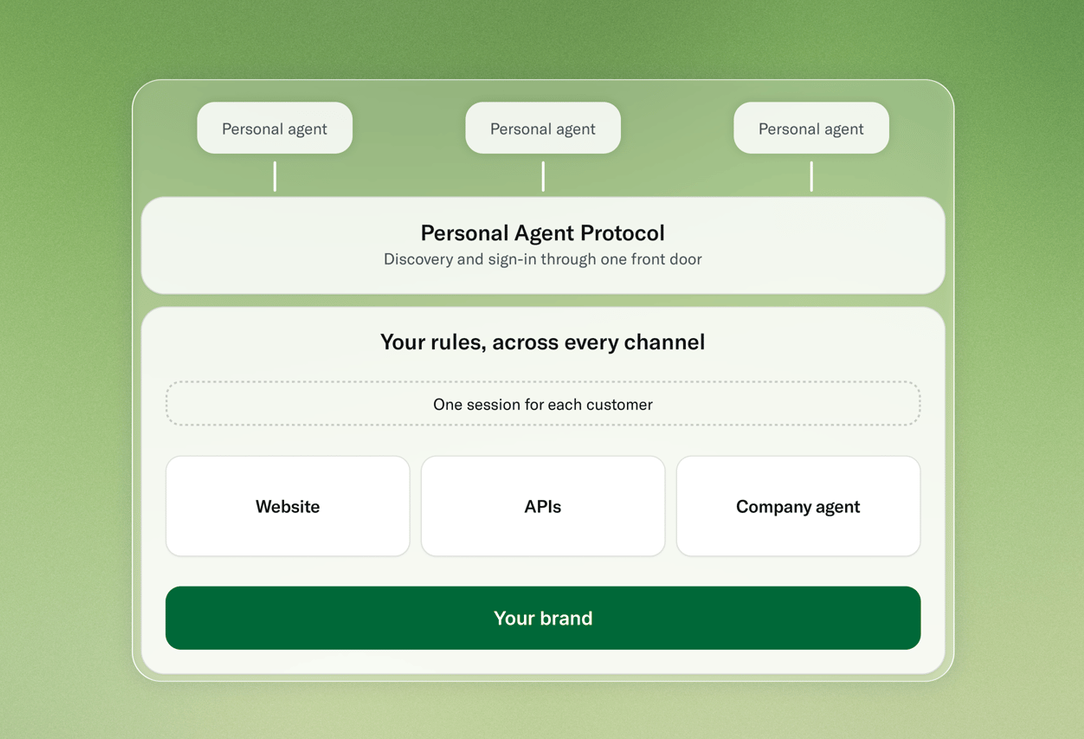
Meta, Walmart, Stripe and Sierra Technologies are creating the Personal Agent Protocol, introduced by Sierra c…
Mistral AI opened a public preview of Mistral Large 4, its 1.05 trillion-parameter MoE model nicknamed "Le Cho…
Google announced Nano Banana 2.1 on October 6, a Gemini 3.6 Flash-based image model with a context window of u…
Reflection AI started early access to Beam, its first open-weights model, with 501 billion total and 23 billio…
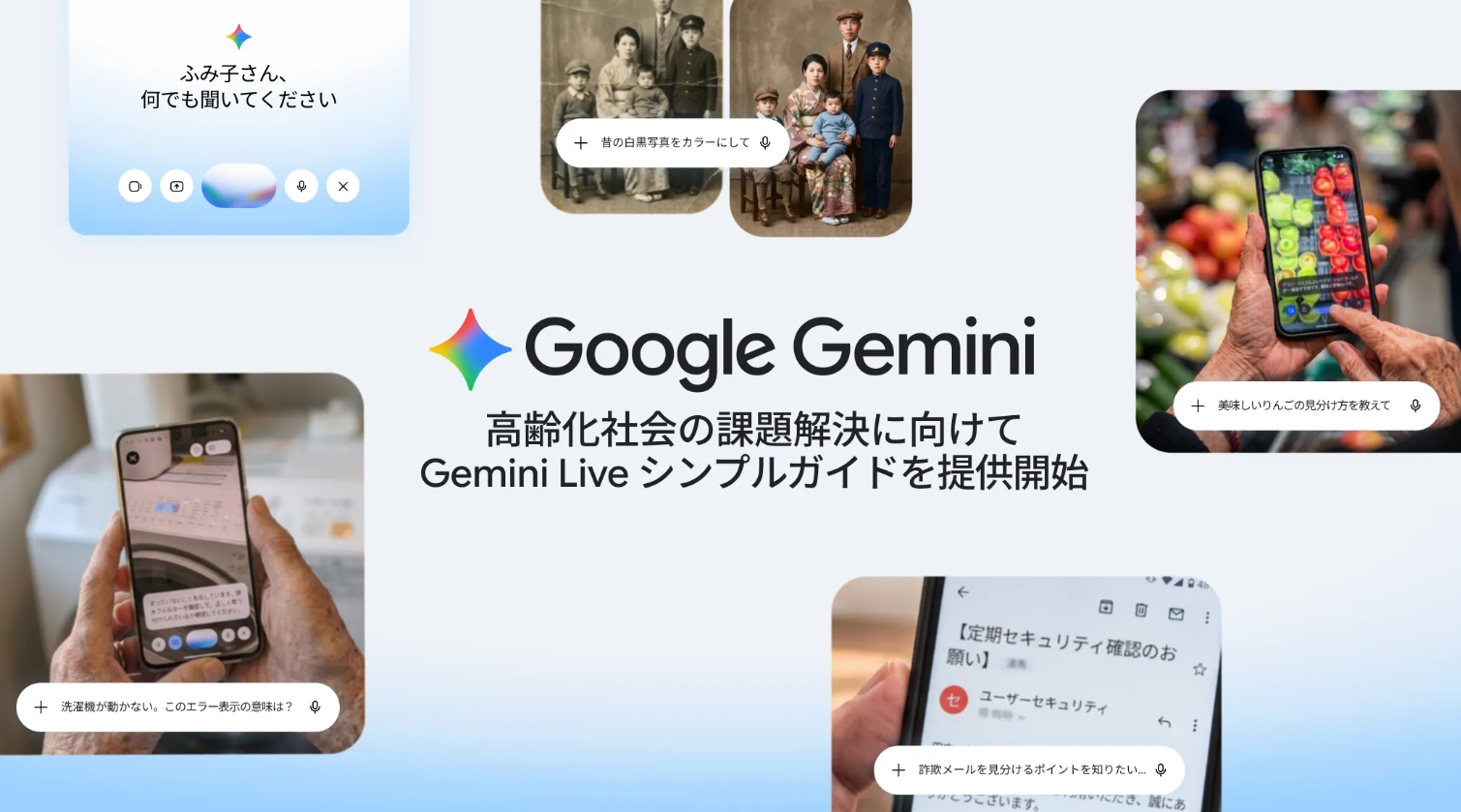
Google began rolling out "Simple Guide" in Gemini Live on Android, letting users share camera or screen views…
Anthropic launched Claude for Google Workspace as a public beta for paid Claude plans, adding Claude to Google…