What happened
Rescale used AWS's AI-DLC framework to build an AI triage agent that classifies nightly test failures, reaching staging in five days and production within weeks. Since deployment, its agreement with human triage rose from 44% to 68%.
Why it matters
The agent automates the first pass of failure classification and remediation reports, cutting the time engineers spend on repetitive on-call triage and shortening how long unresolved test failures block weekly production releases.
WHO IT HITSOn-call engineers and CI/CD owners at Rescale — and at other software teams running nightly end-to-end test suites — could shift from manual failure classification to validating an agent's first-pass remediation reports, provided the agent's agreement rate keeps improving.
Summaries like this, every morning.
Rescale's problem was structural: hundreds of nightly Playwright test cases gated weekly production releases, and every failure needed classification, prioritization, and routing before debugging could start. Unresolved failures could pull several teams into hours of coordination. The team knew an agent could help but wanted a structured path from that idea to a system they could trust in production — which is where AI-DLC came in.
The methodology's two principles shaped the build. AI proposed architecture and generated plans, but humans signed off at each step, and the work happened in live group sessions rather than asynchronous handoffs. That mattered because two architecture pivots emerged mid-build: the agent moved from Amazon Bedrock AgentCore to Amazon EKS, where Rescale already runs its Argo Workflows pipeline, and log retrieval shifted from a third-party service to Amazon CloudWatch. Because the requirements and design decisions lived in shared documents, the team updated them in place and kept building without losing context.
The workshop's output was narrower than the code: a reviewed specification — clarifying questions answered, Phase 1 boundaries drawn, evaluation criteria set — that gave coding agents a better-defined problem to solve during implementation. That pattern, rather than the triage agent alone, is what Rescale is now extending: it is evaluating an internal AI-DLC Center of Excellence and incorporating the framework into the standard software development lifecycle for new engineering simulation products, including work on an HPC simulation application catalog, container vulnerability tracking for government compliance, and workflow-based cloud coding agents.
Pick your industry and the AI tools you use, and get news related to your work every day.
Free · 30 seconds with Google · unsubscribe anytimeWhat is AIToday? →
Ask AI anything about this article. The AI reads this article, earlier AIToday articles, and Wikipedia, and cites its sources. Q&As are published on this page for other readers too.
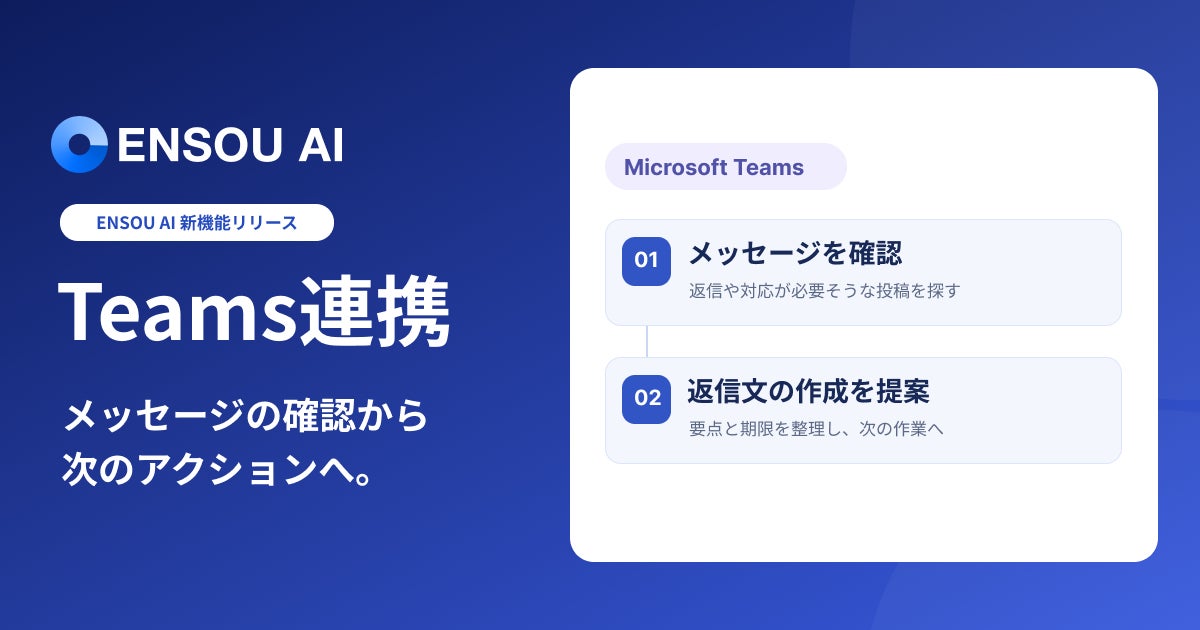
Digeon released a Microsoft Teams integration for its ENSOU AI enterprise generative AI service, so users can…
Anthropic released the /ship skill for Claude Code in beta, covering commit, push, PR creation, review and fix…

NishaMe, Rimo's first designer, built design-protos on Claude Code, with PRs from 14 people reaching 244 and h…
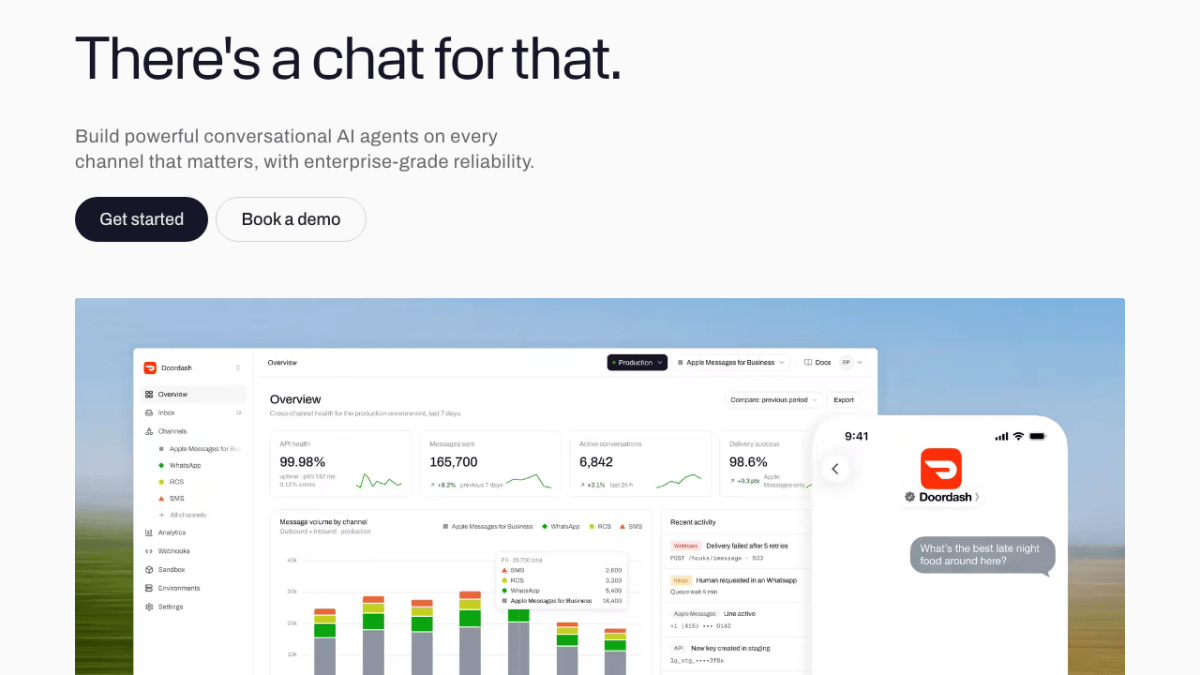
Linq raised $90 million in a Series B led by Andreessen Horowitz (a16z), with TQ Ventures, Mucker Capital and…
Musashino holds a monthly in-person company-rules workshop immediately followed by an AI workshop for its seve…

Cognition AI Japan said its autonomous AI software engineer Devin is in use at NTT Docomo's product technology…