What happened
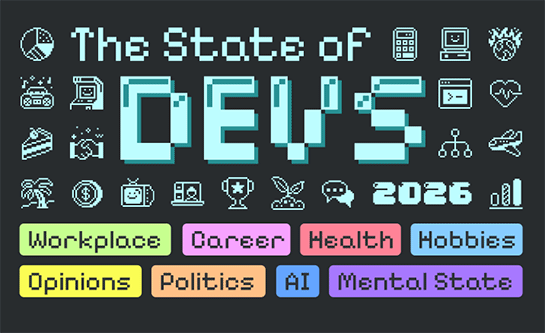
Devographics surveyed 5,463 developers from July 5 to September 5, 2026, and found 49% say AI writes 75% or more of their code, while 9% use none.
Why it matters
If roughly half of working developers already hand most coding to AI, day-to-day programming roles appear to be shifting toward reviewing and directing machine-written code.
What to watch
The picture is split — the U.S. and Israel medians sit at $175K versus Japan's $50K median, so pay gaps may shape where this AI-heavy work concentrates.
WHO IT HITSSoftware engineers and engineering managers assessing how much coding work is still done by hand will find this benchmark relevant, and recruiters comparing pay across markets will see the U.S.–Japan median gap ($175K vs $50K) as a concrete data point.
Summaries like this, in your inbox every morning.
Devographics, which runs surveys on the IT field, opened its State of Devs 2026 questionnaire on July 5 and closed it on September 5, 2026, gathering 5,463 responses. The respondent pool skews toward large employers — a median organization size of 550 people, with 24% at organizations of 100 to 1,000 people and another 24% at organizations of 1,000 or more — and toward experienced hands, with a median of 12 years as a software developer and a median age of 36.
The salary data the survey collected lines up with the geographic spread of its respondents. The United States, which supplied the most answers at 1,051, also showed the highest pay, with a median of $175K, matched by Israel. Ireland, Denmark, Switzerland, Canada and Australia clustered at a median of $125K, against a global average of $90K. Japan, which contributed 50 responses — the 21st-largest national group — reported the most common salary band as $40K to $60K, with a median of $50K. The report notes that this is above the roughly 4 million yen often cited as the average for Japanese salaried workers, but low against global figures, though it does not attribute the gap solely to the weak yen.
The code-generation findings are the ones likely to draw the most attention from teams deciding how to structure engineering work. Whether the pattern holds as AI tools change is still open — the figures describe what respondents reported in mid-2026, not a measured output — and the survey leaves unresolved how organizations will divide review, architecture and oversight work if the AI-written share keeps climbing. The health and hobby answers, from the 41% reporting sleep shortage to the 63% who play video games, round out a portrait of a workforce whose daily habits are already shifting.
Pick your industry and the AI tools you use, and get news related to your work every day.
Free · 30 seconds with Google · unsubscribe anytimeWhat is AIToday? →
Ask AI anything about this article. The AI reads this article, earlier AIToday articles, and Wikipedia, and cites its sources. Q&As are published on this page for other readers too.
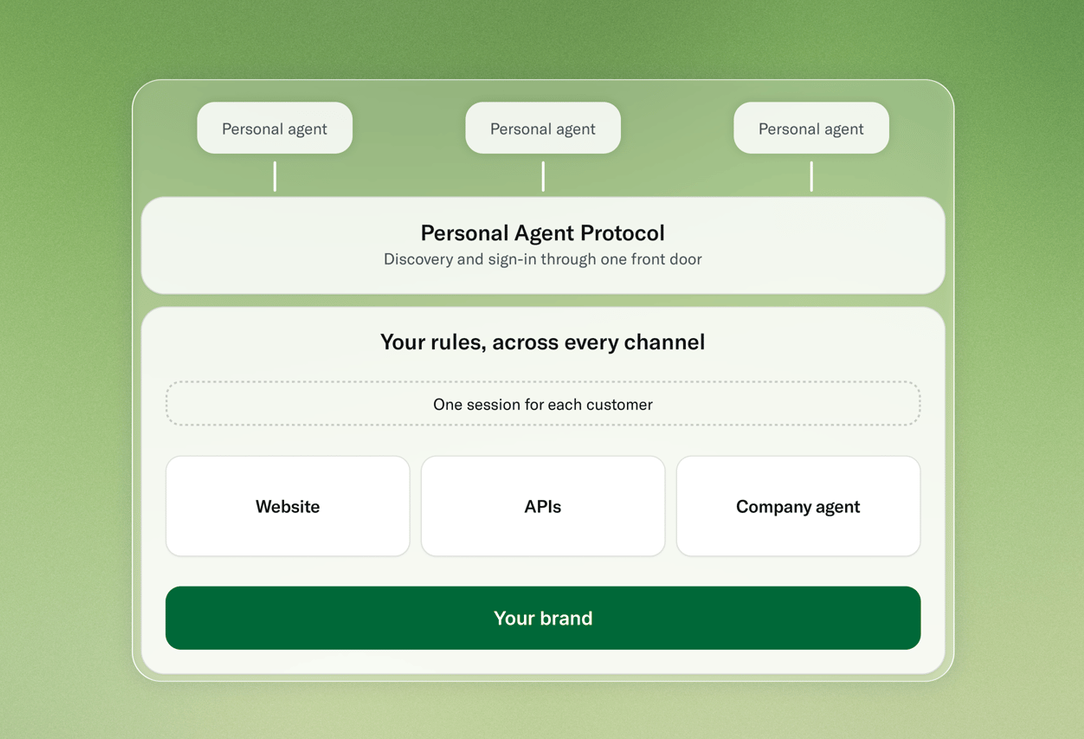
Meta, Walmart, Stripe and Sierra Technologies are creating the Personal Agent Protocol, introduced by Sierra c…
Mistral AI opened a public preview of Mistral Large 4, its 1.05 trillion-parameter MoE model nicknamed "Le Cho…

Reflection AI started early access to Beam, its first open-weights model, with 501 billion total and 23 billio…
Google began rolling out "Simple Guide" in Gemini Live on Android, letting users share camera or screen views…

Anthropic launched Claude for Google Workspace as a public beta for paid Claude plans, adding Claude to Google…
Testing a fake LLM call on CPython 3.14.8, the developer saw the first await succeed and the second raise Runt…