Summaries like this, in your inbox every morning.
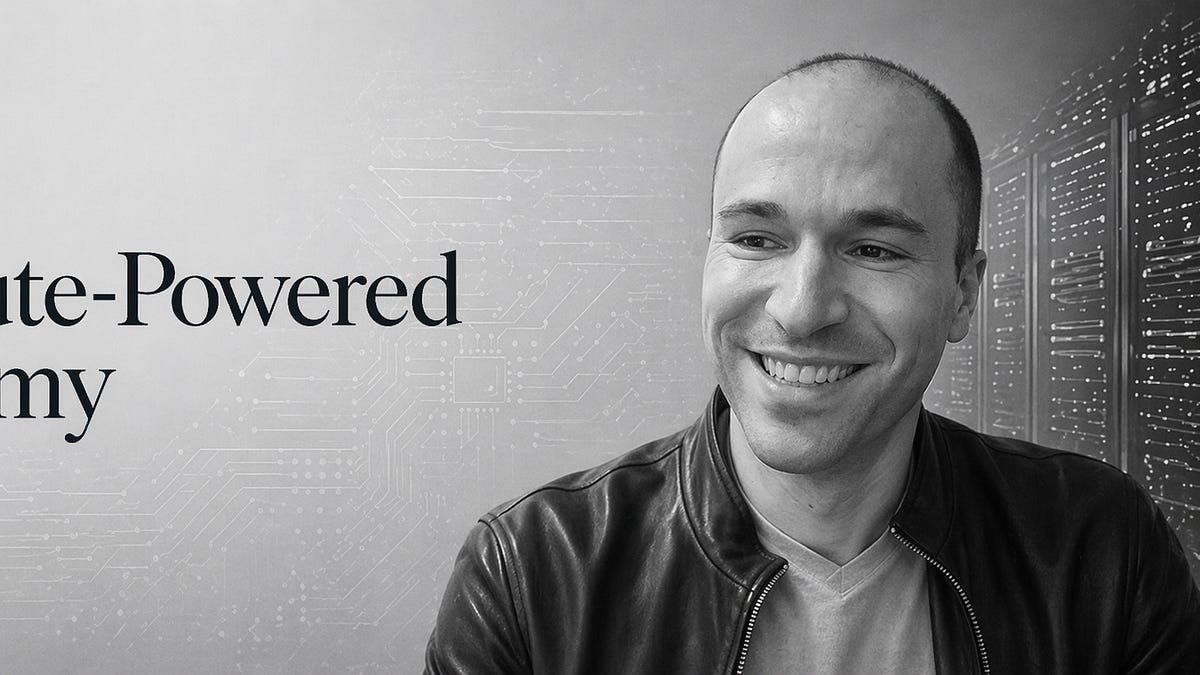
Sign up free →OpenAI President Greg Brockman discussed an internal model codenamed 'Spud' (likely GPT-5.5) in an interview, suggesting the company is working on a next-generation AI system beyond GPT-4. He also emphasized that future AI competitiveness will depend heavily on access to massive computational resources rather than algorithmic breakthroughs alone.
Brockman argued that AI companies with dedicated compute infrastructure and the ability to train on enormous datasets will maintain structural advantages—what he calls 'model moats.' This suggests OpenAI believes raw computing power is becoming as important as clever software design, a shift that favors large, well-funded players.
For business users and investors, this signals that the AI race is moving away from pure innovation toward an 'arms race' over who can afford the most GPUs and training compute. Smaller AI startups and companies without massive capital may find it harder to compete on cutting-edge models; companies dependent on OpenAI's API access should expect continued price pressure and performance improvements tied to OpenAI's compute spending.
No comments yet. Be the first to share your thoughts!
Log in to join the discussion


Get curated AI news from 200+ sources delivered daily to your inbox. Free to use.
Get Started FreeFree · takes 30 seconds · unsubscribe anytime
1 minute a day. The AI essentials.
200+ sources · Email / LINE / Slack
