Mastercard is rolling out protocols for AI agents to pay and for machines to pay each other. It is also acquiring BVNK, a large stablecoin platform.
These moves aim to keep Mastercard central as commerce becomes more automated and fragmented.
The company sees growth in tokenization and related services.
What happened
Mastercard CEO Michael Miebach discussed the company's new Agent Pay protocol, which lets AI shopping agents handle checkout, and the Agent Pay for Machines (AP4M) protocol for machine-to-machine payments. He also said Mastercard is closing the acquisition of BVNK, a large stablecoin platform, this quarter.
Why it matters
These moves aim to make AI-driven and B2B payments smoother and more efficient. Agent Pay adds tokenization and cybersecurity services, which are growth areas for Mastercard. AP4M could let companies pay for digital resources like APIs or compute power in smaller, real-time increments, improving working capital efficiency.
What to watch
The company sees a "transaction growth multiplier" as AI agents may split purchases across multiple merchants, even if overall GDP doesn't rise. The underlying payment rails for AP4M could include stablecoins or other systems, and Mastercard aims to be the interoperable layer connecting them.
Ask the AI about this article →
Miebach frames the new protocols as a response to the rise of AI agents in commerce. Today, consumers search and buy manually; with agentic commerce, an LLM could handle the entire checkout process. This introduces a new entity, the agent, which needs to be verified and trusted, a challenge Mastercard addresses with Agent Pay. The service also opens new revenue streams, as tokenization is a paid service.
The AP4M protocol extends this to B2B, where companies buy digital resources like APIs or compute power. Instead of invoices, machines could pay in small, real-time increments, which Miebach argues would dramatically improve working capital efficiency. This could shift payment rails away from traditional card networks, possibly using stablecoins, but Mastercard aims to remain the trusted, interoperable layer on top.
Miebach notes that while overall GDP might not rise from these changes, there could be a transaction growth multiplier as AI agents split purchases across multiple merchants. He also highlights the complexity ahead, with multiple chains and stablecoins, and positions Mastercard's acquisition of BVNK as a way to connect this fragmented world, mirroring its role in traditional card payments.
For example, today's edition would include:
AI-summarized, only the topics you pick — one digest a day via Email, Slack, or Discord.
Free · takes 30 seconds · unsubscribe anytimeWhat is AIToday? →
Ask AI anything about this article. Q&As are published on this page for other readers too.
Social media conversations about Tempus AI intensified after Moderna and Merck reported Phase 3 success in per…

Applied Materials CEO Gary Dickerson said AI is driving the semiconductor industry's most consequential growth…

Broadcom's AI semiconductor revenue sits near $8.4 billion per quarter, with a disclosed AI chip backlog of ar…
Researchers introduced Agent Seer, a pipeline that automatically creates realistic test scenarios for AI agent…

Google launched Expert Intelligence (EI), an AI feature for e-books bought on Google Play Books

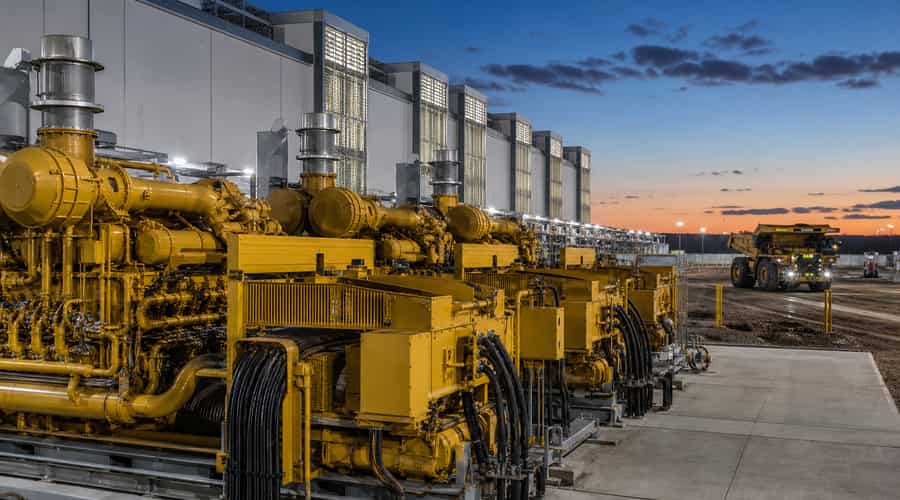
Caterpillar posted a record $20.5 billion quarter in Q2 2026, driven by demand for generators and turbines pow…