What happened
Ray Dalio said in August on The Diary of a CEO that AI shows "classic signs" of a bubble, citing the S&P 500 CAPE ratio of 41 — above its 1929 peak and just below 2000's record 44.
Why it matters
The CAPE ratio measures stock market valuation relative to inflation-adjusted historical earnings, and a reading above 1929's peak suggests stocks may be priced for a downturn.
What to watch
Dalio notes no single event pricks a bubble, but rising interest rates or wealth taxes could trigger forced selling and tank stock prices; watch the CAPE ratio as a gauge of bubble risk.
WHO IT HITSThis affects individual investors with exposure to AI stocks, who may want to consider rotating into higher-quality AI-related tech stocks or more conservative investments, as Dalio advises.
Summaries like this, in your inbox every morning.
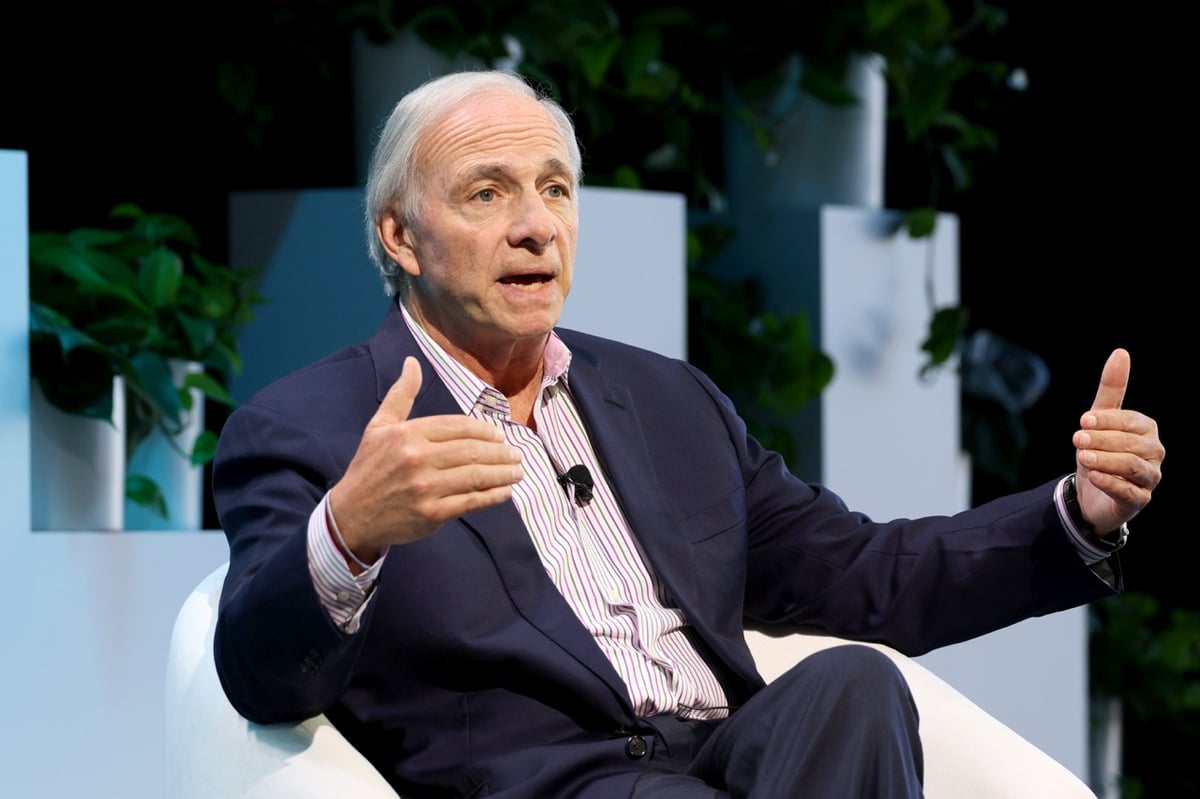
Ray Dalio, who ran Bridgewater Associates for half a century and stepped down from the fund, has long used history as a guide for deploying capital. He now sees echoes of 1929 and 2000 in the current market and is urging caution on AI stocks. His view is that the bubble is already beginning to prick, though he avoids a binary "bubble/not a bubble" judgment. He points to secondary stock issuance, which can dilute investor wealth, and to rising interest rates or wealth taxes as potential triggers for forced selling. While the internet survived the dot-com bust, Dalio suggests an AI downturn could still cause investors pain. He also notes that most AI companies have borrowed heavily to fund capital expenditures, making them vulnerable to rising rates or a sudden drop in infrastructure demand. The exception he highlights is Alphabet, which Berkshire Hathaway has aggressively purchased; Alphabet is on track to spend between $195 billion and $205 billion on AI-driven capital expenditures this year but generated $53 billion in free cash flow over the trailing 12 months, allowing it to maintain stability even if its AI investments fail. With Alphabet trading at a P/E ratio of 17, the potential rewards could outweigh the risks. Dalio's advice is not to abandon AI entirely, but to rotate into higher-quality AI companies or more conservative investments. The stakes hinge on whether the CAPE ratio's extreme reading indeed precedes a deep downturn, as history suggests, or whether AI's growth continues despite the warning signs.
For example, today's edition would include:
AI-summarized, only the topics you pick — one digest a day via Email, Slack, or Discord.
Free · 30 seconds with Google · unsubscribe anytimeWhat is AIToday? →
Ask AI anything about this article. Q&As are published on this page for other readers too.
SpaceX raised nearly $86 billion and reached a $2.7 trillion valuation at its IPO, then fell below its $150 op…
The article concludes Micron is the better 2027 stock, citing its 6.25 times fiscal 2027 earnings and expected…

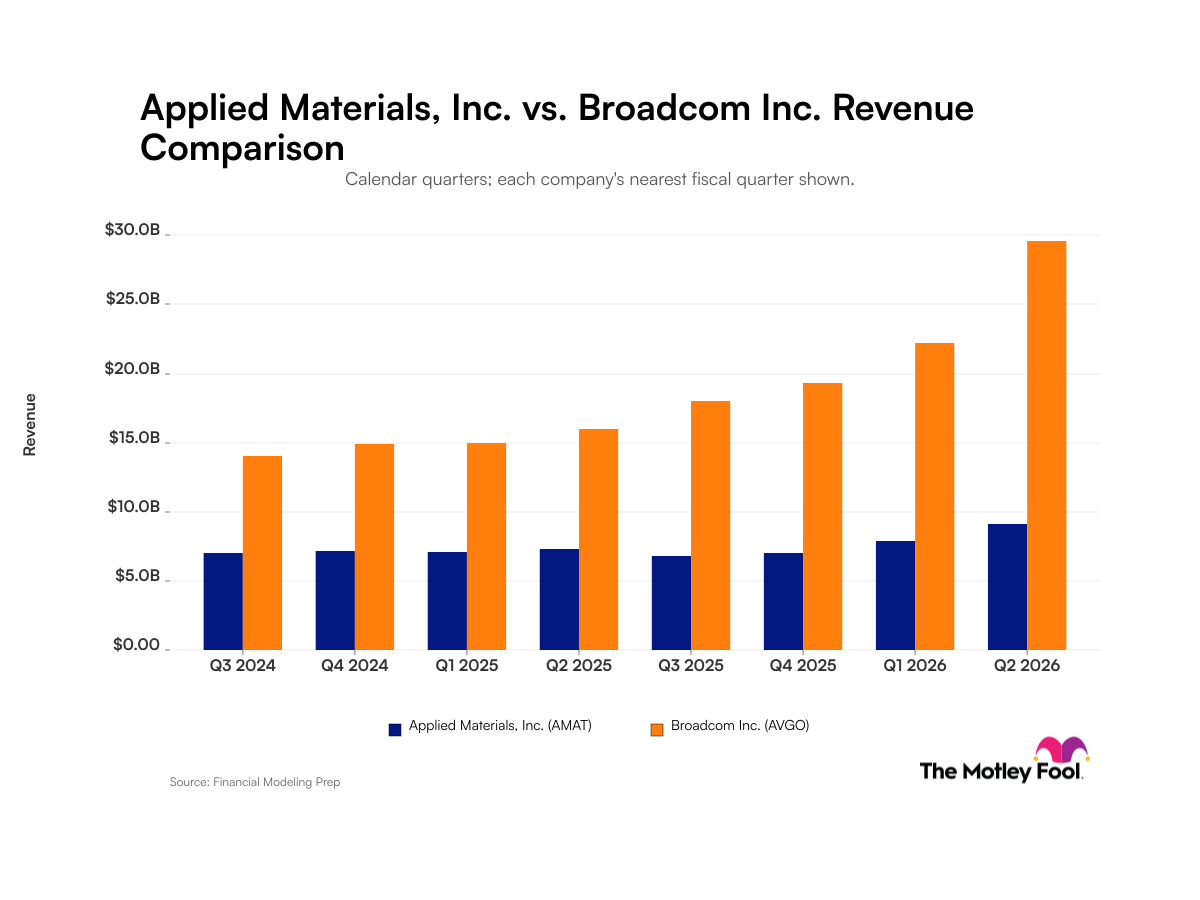
Broadcom reported record quarterly revenue of $29.6 billion for its fiscal Q3 ended Aug
A Yahoo Finance article says news that Google's Gemini can autonomously hack real companies moves cyber insura…

A contributor compared Aehr Test Systems and Super Micro Computer and picked Super Micro, whose FY 2026 revenu…
Netskope shares rose nearly 19% this week, helped by an overweight rating and $21 per share target from Stephe…