
What happened
Studying the four most widely used agent frameworks, Partnership on AI researchers found key observability requirements missing, such as Agent IDs that persist over time.
Why it matters
Without records of what agents did and why, banks, hospitals and regulators cannot reconstruct unauthorized actions or human sign-offs, the authors argue.
Summaries like this, every morning.
The authors ground their argument in a striking analogy: a bank would never hire a thousand employees whose ID badges change daily, whose manager approvals go unrecorded, and whose changes to approval processes go unlogged. That, they say, is how AI agents are being deployed today across finance, government and medicine. Agents inherit the unpredictability of the large language models (AI systems that generate text) they are built on, but they differ in that they plan, pick tools, spawn sub-agents and take actions over longer tasks, so no pre-launch testing can anticipate every path.
The proposed fix splits into two record types. 'What happened' records are largely a software plumbing problem the authors say can be solved through OpenTelemetry, an open observability standard, though its working group has yet to finalize shared tracing formats. 'Decision' records are harder and raise open research questions, including whether chain of thought—the step-by-step reasoning a model displays—actually reflects how it decided, and whether confidence can be measured reliably. Until standards and telemetry land, the authors argue, every task handed to an agent hands over human agency too.
Pick your industry and the AI tools you use, and get news related to your work every day.
Free · 30 seconds with Google · unsubscribe anytimeWhat is AIToday? →
Ask AI anything about this article. The AI reads this article, earlier AIToday articles, and Wikipedia, and cites its sources. Q&As are published on this page for other readers too.
Crux Labs launched with over $6 million in funding led by Benchstrength and Misneach, with Analog Ventures and…

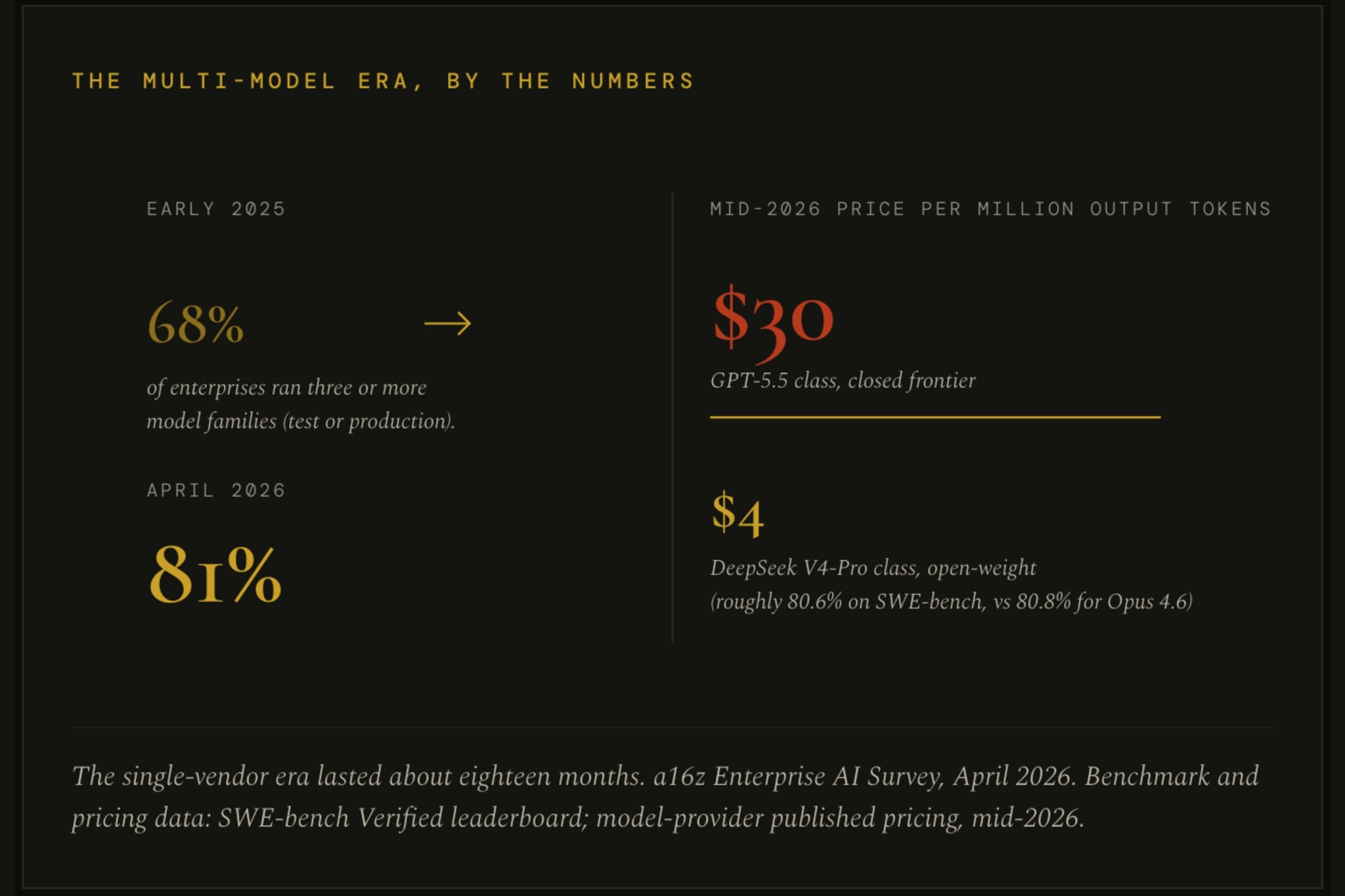
In a Fortune essay, Collective[i] argues companies should treat AI models as swappable commodities and own the…
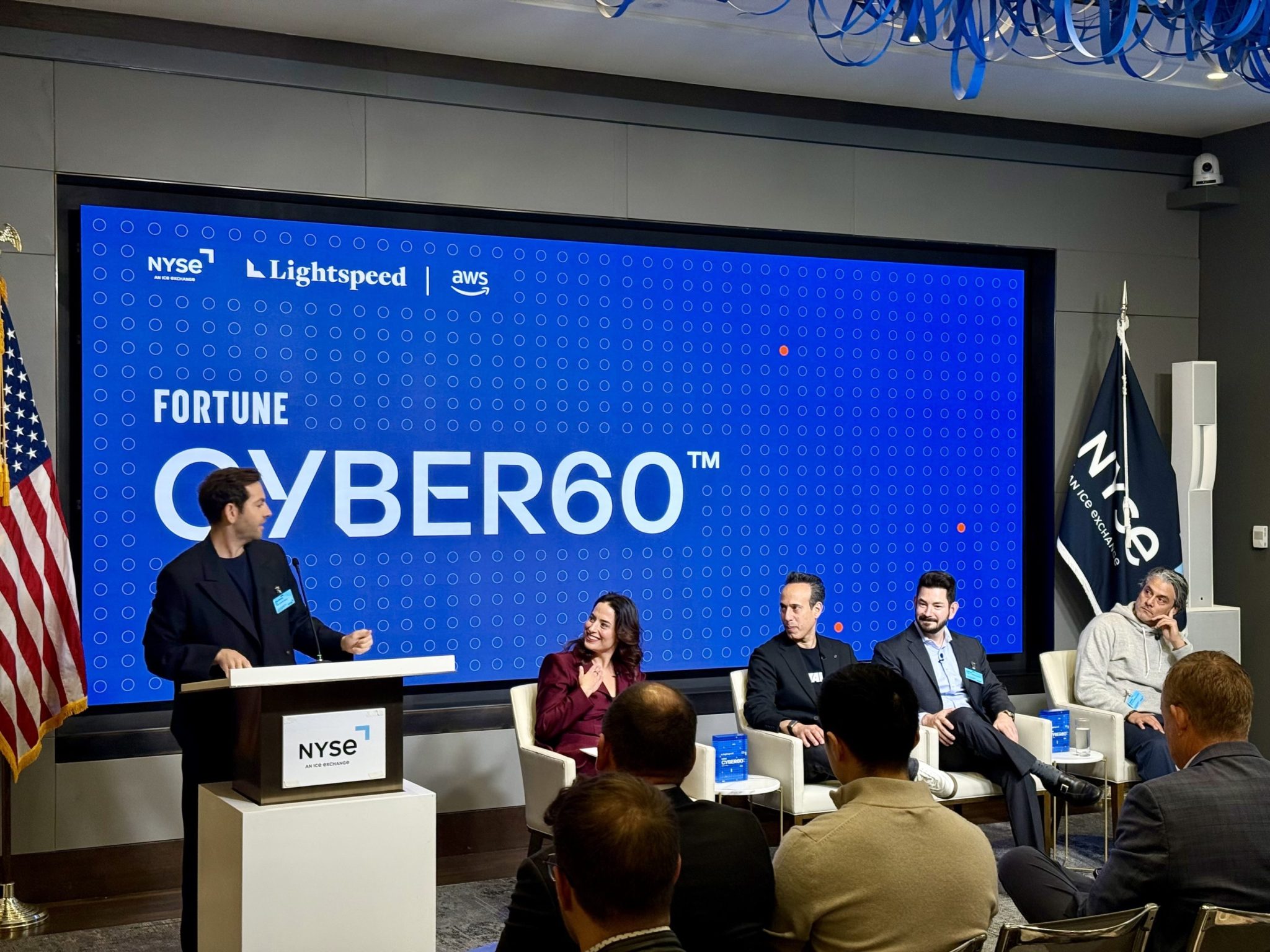
At Fortune's Cyber 60 event, Armadin cofounder Evan Peña said attackers using AI can scan a Fortune 500's more…
A 31-year-old Seattle woman on epilepsy medication died in February 2026; her parents sued OpenAI in October 2…

Nscale is asking US investors for a roughly $30 billion valuation on first-half 2026 revenue of $140.6 million…

Amazon added more than 100 new shopping-related capabilities to Alexa, including subscription and list managem…