What happened
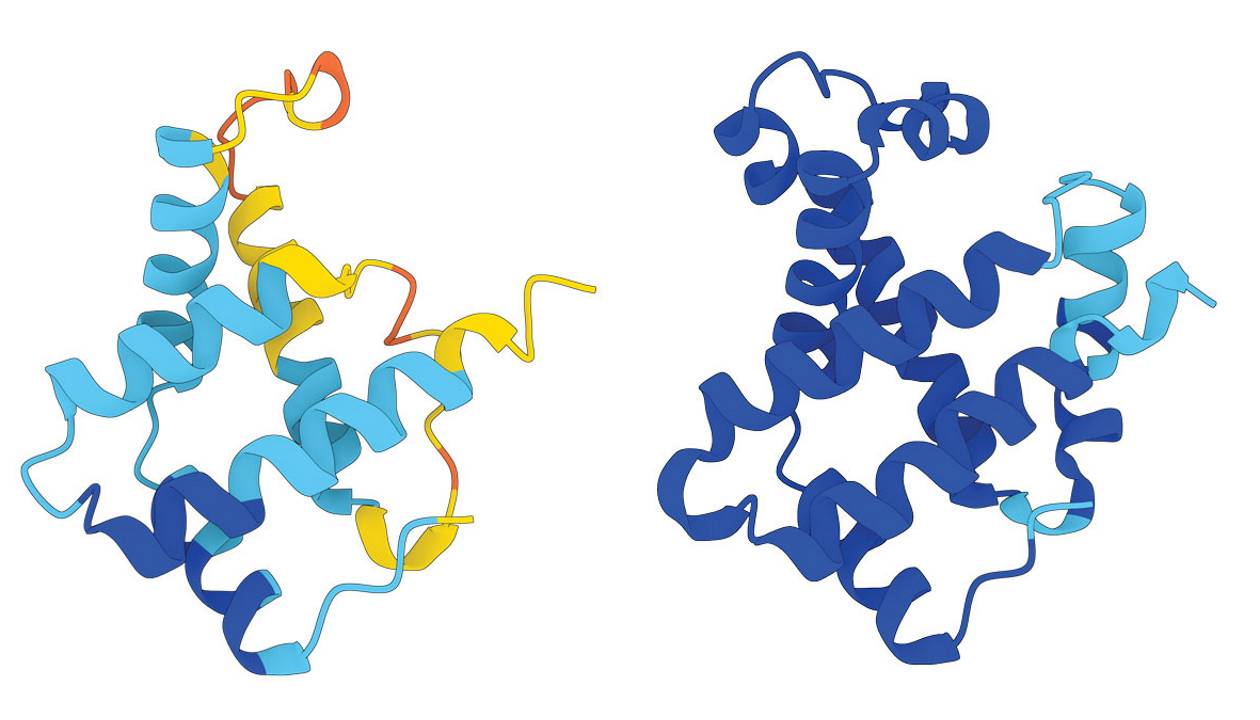
Researchers at Duke University have developed an AI program called Raygun that can suggest cuts to a protein's amino acid sequence, reducing overall size without losing function. The tool shrank fluorescent proteins EGFP and mCherry by 10–15%, and the resulting proteins still glowed under excitation.
Why it matters
Smaller proteins could reduce interference when tagging biological processes, and shrinking sequences may help gene therapy by fitting into the limited capacity of delivery vehicles like adeno-associated viruses. The approach works by learning from evolutionary patterns in protein sequences to identify critical pieces, rather than testing mutations one at a time.
What to watch
The tool can also expand proteins, which researchers are still developing—a capability that could help add new domains to existing proteins. Raygun is not positioned as a replacement for de novo protein design (creating proteins from scratch) but rather as a complement; both techniques could be used together.
Summaries like this, in your inbox every morning.
Raygun represents a distinct strategy in protein engineering: rather than designing proteins entirely from scratch, it works within the boundaries of known protein sequences, using AI to identify which amino acids are truly essential and which can be removed or substituted. This approach, led by computational biologist Rohit Singh at Duke University, harnesses evolutionary patterns embedded in protein sequences to guide the search for critical components—a method that allows for more extensive modifications than traditional point-by-point mutation testing would suggest.
The practical implications align with real bottlenecks in biotechnology. Gene therapy faces a fundamental constraint: viral delivery vehicles have limited carrying capacity, and any reduction in the size of a therapeutic protein could expand the range of candidates. Similarly, fluorescent protein tags, while invaluable for imaging biological processes, can sometimes alter the very systems they are meant to observe; miniaturizing them could mitigate this interference. Singh's team views Raygun not as a replacement for de novo design but as a complementary tool that can operate on top of newly engineered proteins, effectively allowing researchers to refine and optimize novel designs further.
Pick your industry and the AI tools you use, and get news related to your work every day.
Free · 30 seconds with Google · unsubscribe anytimeWhat is AIToday? →
Ask AI anything about this article. The AI reads this article, earlier AIToday articles, and Wikipedia, and cites its sources. Q&As are published on this page for other readers too.
OpenAI introduced the Rosalind Academic Plan, giving eligible academic labs at U.S
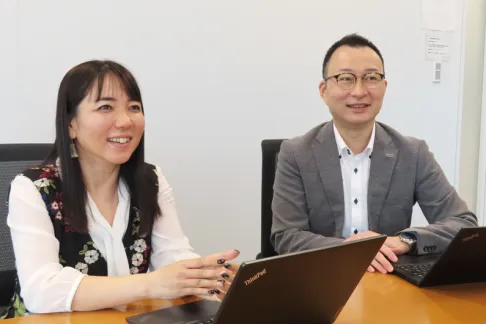
Santen Pharmaceutical's R&D division reached a 93% weekly usage rate for generative AI, applying it to study p…
Snowflake published a post on agentic AI across oncology's five stages, citing AstraZeneca cutting data produc…

A solo developer built Yurune, a web app that plays synthesized rain, wave and forest sounds and lets users ta…

Pharmaceutical Executive will host a November 4, 2026 webcast introducing the RAIL Score, a framework for eval…

Reuters reports that the pharma sector is doubling down on AI as a way to cut costs and timelines