What happened
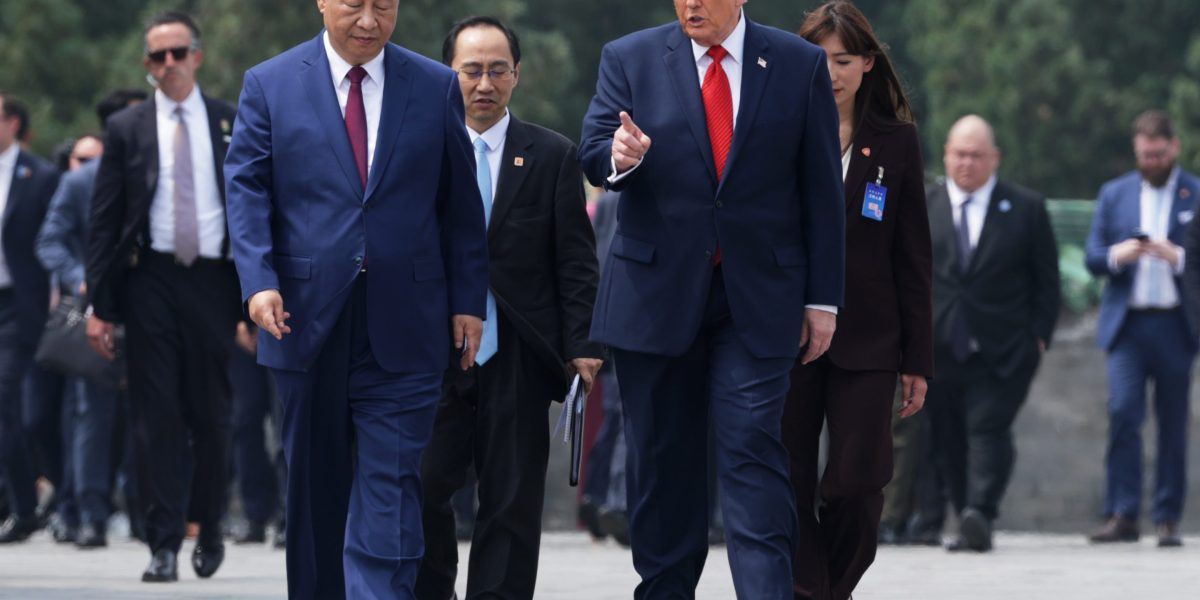
The U.S. State Department is preparing a letter to 35 countries—including Japan, Australia, and South Korea—that signed its AI Opportunity Statement, warning them they cannot join both Washington's Pax Silica coalition and Beijing's competing AI framework. According to Reuters, the draft explicitly states countries will be excluded from the U.S.-led group if they hedge, with the U.S. arguing "to be part of everything is to be part of nothing."
Why it matters
The move is designed to starve China of the chips, AI models, and critical minerals it needs to compete. As Washington restricts chip exports and debates AI controls, this signals the U.S. is using diplomatic pressure to force allies into a binary choice, treating AI development as a geopolitical contest rather than a collaborative field.
What to watch
How major allies respond—Japan, Australia, and South Korea are the named targets, and their decisions will shape whether the U.S. can build a unified bloc or whether countries pursue hedging strategies despite Washington's ultimatum.
Summaries like this, in your inbox every morning.
The U.S. State Department's push to force allies into a binary choice on AI frameworks represents a significant escalation in treating artificial intelligence as a geopolitical battleground. Rather than positioning AI development as a shared global challenge, Washington is weaponizing access to its coalition—the Pax Silica initiative—as leverage to prevent countries from hedging between American and Chinese interests. The framing of "to be part of everything is to be part of nothing" signals an all-or-nothing posture that leaves little room for pragmatic middle-ground approaches.
This move comes alongside broader U.S. restrictions on chip exports and ongoing debates over AI export controls, suggesting a coordinated strategy to constrain China's technological advancement across multiple fronts. For countries like Japan, Australia, and South Korea, the choice carries real economic and strategic weight: alignment with Washington offers access to American technology and markets, while simultaneous engagement with Beijing's framework could provide alternative partnerships and supply chains. The ultimatum tests whether these allies will accept Washington's binary framing or whether economic and diplomatic pressure will eventually force a recalibration of the U.S. approach.
Pick your industry and the AI tools you use, and get news related to your work every day.
Free · 30 seconds with Google · unsubscribe anytimeWhat is AIToday? →
Ask AI anything about this article. The AI reads this article, earlier AIToday articles, and Wikipedia, and cites its sources. Q&As are published on this page for other readers too.
Chunghwa Telecom president Rong-shy Lin said the shift from conversational AI to autonomous AI agents is resha…
CoreWeave fell 5% in premarket trading Friday and was on track to finish the week down 15%, after rebounding f…
Apple and Meta said they would jointly release a new open-weight AI model designed to run on high-end Macs, ai…

Investors put $38.5 billion into Asian startups in Q3, per Crunchbase data

A longtime Anthropic investor told Fortune he expects shares priced around $1.8 trillion, below the company's…

In Q2, billionaires or their funds sold six 'Magnificent Seven' AI stocks


