What happened
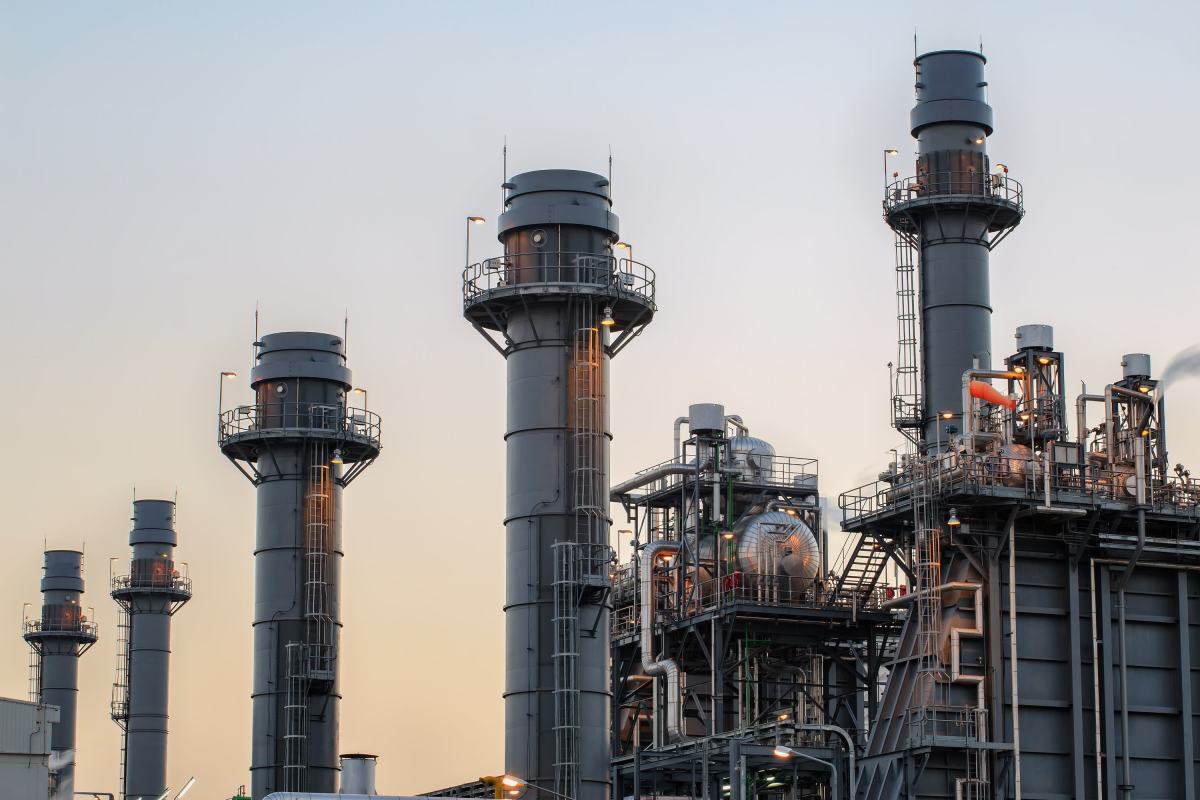
Amazon is building an on-site natural gas power plant in Pecos County, Texas to power a planned data center. The plant is permitted to release 33 million tons of carbon dioxide per year, making it the largest source of climate pollution in the United States.
Why it matters
Amazon's carbon emissions grew 16% last year, moving away from its 2040 net-zero pledge. The company's investment in massive natural gas plants signals that AI's power demands are overriding its climate commitments—a pattern other tech companies may follow, potentially locking in decades of high-emission infrastructure.
What to watch
Amazon says the plant will not raise electricity costs for Texas families. The company claims its climate pledge commitment remains unchanged, despite the statement acknowledging 'the world looks different now'—suggesting mounting pressure between AI growth and climate targets.
Summaries like this, in your inbox every morning.
Amazon's Pecos County project reveals a fundamental tension in the tech industry's pivot to artificial intelligence. The company committed to net-zero emissions by 2040 as part of the Climate Pledge, but has instead seen emissions climb 16% in the past year alone. The on-site natural gas plant—permitted to emit 33 million tons of CO2 annually, the highest of any U.S. power plant—suggests that data center expansion driven by AI workloads is now the dominant factor overriding previous climate strategy. Amazon's statement that "the world looks different now" hints at a strategic retreat: the company is effectively saying that AI deployment has changed the calculation, making massive fossil-fuel investment necessary despite prior climate commitments. This pattern is not unique to Amazon; large tech companies across the industry are backing the development of natural gas plants to meet data center power demands, potentially locking in carbon-intensive infrastructure for decades even as renewable alternatives exist.
Pick your industry and the AI tools you use, and get news related to your work every day.
Free · 30 seconds with Google · unsubscribe anytimeWhat is AIToday? →
Ask AI anything about this article. The AI reads this article, earlier AIToday articles, and Wikipedia, and cites its sources. Q&As are published on this page for other readers too.
Talkdesk's survey of 252 director-level-and-above leaders found 98% use some form of AI in customer experience…

OpenAI fired three safety researchers after they shared confidential information with a third-party artificial…

Ben Thompson wrote that Meta's new Meta Enterprise Platform "won't work" and is "a distraction from the bigges…
Broadcom is reportedly raising $60 billion to fund chips for Anthropic, on top of a loan of up to $42 billion…

Bain & Company found the industry's compute demand will require $6 trillion in annual revenue by 2031, includi…
Meta is letting go of employees it hired from AI safety startup Virtue AI, four months after they joined in Ju…