
What happened
OpenAI will retire ChatGPT's Custom GPTs on December 11 across all ChatGPT plans, telling creators to migrate to Plugins. Approved Enterprise workspaces can keep them until 27年2月11日.
Why it matters
Migrations use only the latest published GPT version, so chosen models, カスタムアクション, and existing conversations are not carried over, and migrated Plugins start private.
What to watch
People using someone else's GPT cannot migrate it themselves and get no automatic Plugin access, so it hinges on the creator's guidance. Enterprise workspaces stop new Custom GPT creation on 10月26日.
WHO IT HITSChatGPT users who rely on Custom GPTs built by colleagues or third parties may lose access unless the creator migrates and re-shares. Enterprise workspace admins and internal tool builders face a migration deadline before December 11, or 27年2月11日 if approved.
Summaries like this, in your inbox every morning.
OpenAI is consolidating ChatGPT's builder tools around Plugins, which bundle reusable instructions, reference files, and connected apps. Migration is deliberately partial: instructions and knowledge files move over, but the chosen model, custom actions, and past conversations are left behind. The migrated Plugin is also created as private, and the original GPT's sharing settings do not carry over, so creators likely need to re-share it with their audiences.
For Enterprise workspaces, the timeline is tighter in one respect: new Custom GPT creation ends on 10月26日, and any draft that needs to move must be published before then. The shutdown itself is December 11, with an extension to 27年2月11日 only for workspaces that meet conditions and are approved for a deferral.
Consumers are largely bystanders. If you use a GPT someone else built, you cannot migrate it, you are not granted migration rights, and having access to the old GPT does not automatically grant access to a replacement Plugin. The practical stakes therefore hinge on whether creators act and re-share. The same pattern is appearing elsewhere, with Google's Gemini custom apps, Gem, also set to end in stages from November.
Pick your industry and the AI tools you use, and get news related to your work every day.
Free · 30 seconds with Google · unsubscribe anytimeWhat is AIToday? →
Ask AI anything about this article. The AI reads this article, earlier AIToday articles, and Wikipedia, and cites its sources. Q&As are published on this page for other readers too.
Ascerta Inc. raised $18 million in a Series A led by Dell Technologies Capital, with Hitachi Ventures, BGV and…
Netlist has begun legal proceedings against Micron and downstream customers Nvidia, Broadcom, and Google over…
Anthropic filed a confidential draft prospectus with a 2025 revenue of $4.6 billion, up from $400 million in 2…

On Anthropic's ExploitBench, GLM-5.3 built a working Chrome V8 exploit in 50 of 410 attempts versus Mythos Pre…
Google is paying about 100 digital publishers for content used in AI Overviews, AI Mode, and Gemini, with paym…
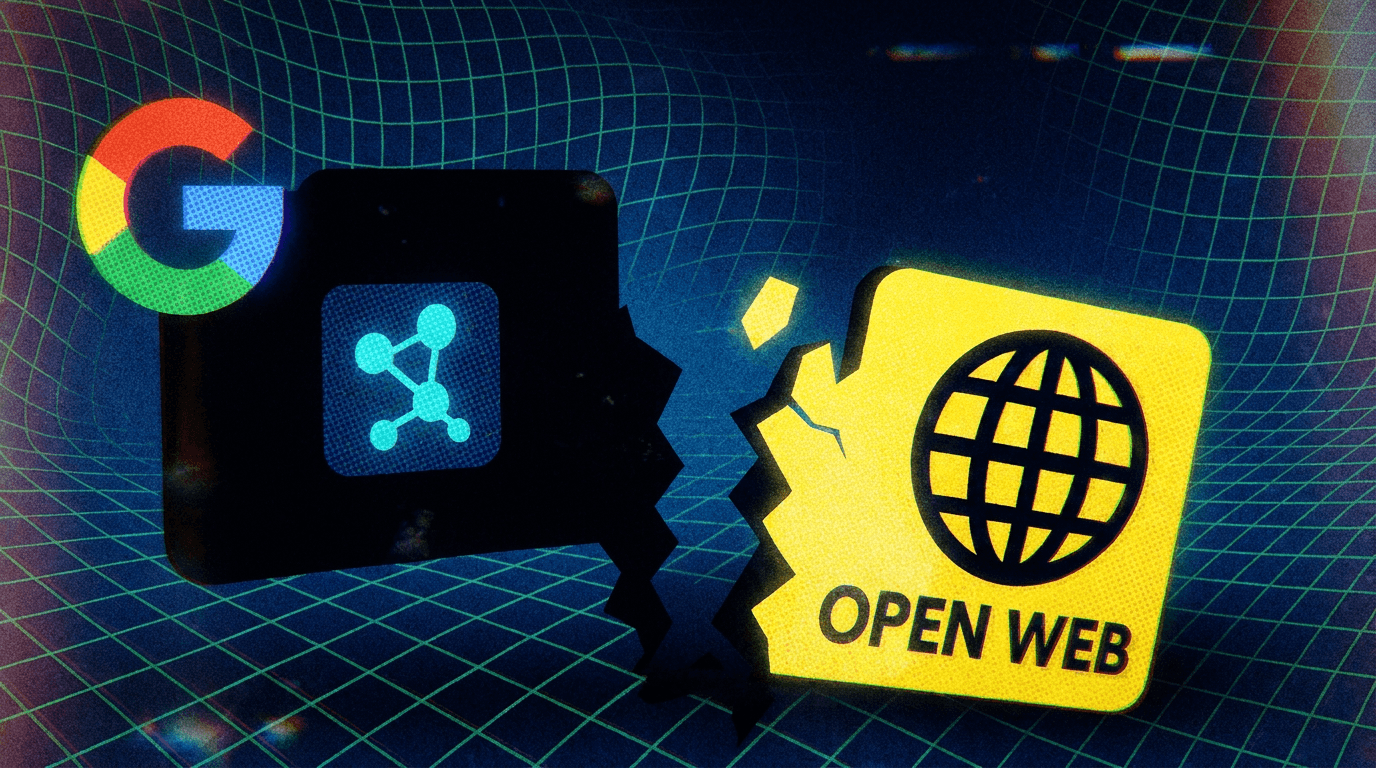
A Qiita walkthrough trained a five-label car-damage classifier on Gemini Enterprise Agent Platform AutoML usin…


