What happened
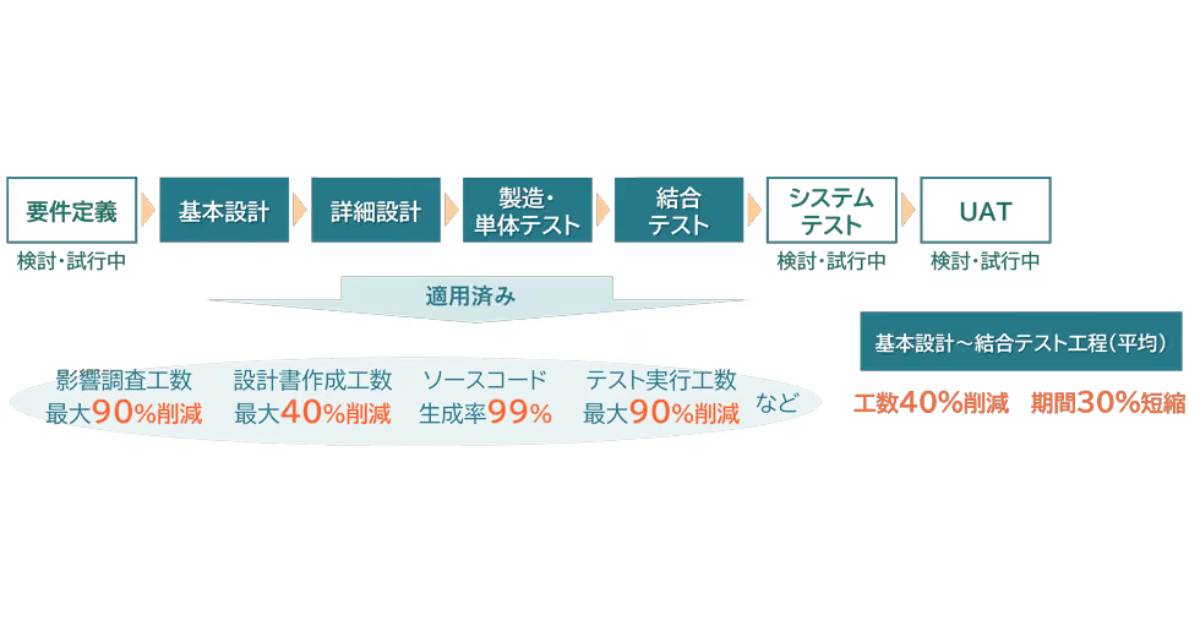
Sony Bank and Fujitsu began using generative AI across the real development process of a live core banking system, cutting man-hours by 40% and development time by 30%, with up to 90% fewer hours for basic-design impact studies and integration testing.
Why it matters
This is described as going beyond a proof of concept into a production core banking system, so it is likely to serve as a reference model for how other financial institutions approach AI-assisted development.
What to watch
The work now hinges on whether the same gains hold as generative AI is extended to requirements definition, security, and operations and maintenance. The stated next step is expansion into those areas plus a model for other financial institutions.
WHO IT HITSThis lands on IT and systems-development teams at banks and other financial institutions that maintain core banking platforms, who may face pressure to adopt similar AI-in-development models. It also affects Fujitsu's own financial-sector delivery organization.
Summaries like this, in your inbox every morning.
The two companies built the effort together with Amazon Web Services Japan, using Fujitsu's cloud-native, microservice-based Fujitsu Core Banking xBank on AWS as the foundation for applying AI. According to the body, that microservice structure mattered: it allowed quick AI integration and step-by-step application by function, so effects could be checked continuously across design, manufacturing, and testing. Rather than applying generative AI to a single step, they applied it across the whole span from design to testing, reusing development assets across stages, and folded it into the standard development process with Fujitsu specialists evaluating and improving it to keep safety and quality intact.
Beyond the headline figures, the body reports specific results: up to 90% fewer hours for impact studies in basic design and for integration test execution, up to 40% fewer hours for detailed design document creation, and a 99% code generation rate in manufacturing. Sony Bank says it aims to apply generative AI across the entire development process, including requirements definition, and to extend it gradually into security and operations and maintenance. Fujitsu says it will use what it learned as a development model for other financial institutions and in a dedicated AI platform supporting financial institutions' AI use.
What this ultimately amounts to may depend on whether the efficiency gains hold as the scope widens to requirements definition and to security and operations work, areas the body describes as still ahead. For Sony Bank, the stated goal is an "AI-native bank"; for Fujitsu, the value of the effort appears to rest on whether the approach travels to other financial institutions' development, which the body presents as the planned next step rather than a completed result.
For example, today's edition would include:
AI-summarized, only the topics you pick — one digest a day via Email, LINE, or Slack.
Free · 30 seconds with Google · unsubscribe anytimeWhat is AIToday? →
Ask AI anything about this article. Q&As are published on this page for other readers too.
Anthropic released Claude Opus 5.5 today and cut its price 20%, with input at $4 per million tokens and output…

Firecrawl announced it has raised $75 million in a Series B round led by Smash Ventures, with participation fr…

ASRock is shifting its business focus toward AI
Anthropic and OpenAI, which spent early September warning that model capabilities are outrunning the safeguard…

Jessica Wachter of Wharton and co-authors estimate hyperscaler spending will reach nearly 1.1兆ドル by 2027, and…

OpenAI released GPT-6 Sol and GPT-6 Luna on September 22, trained the same way as its top-tier GPT-6 Astra, an…