What happened
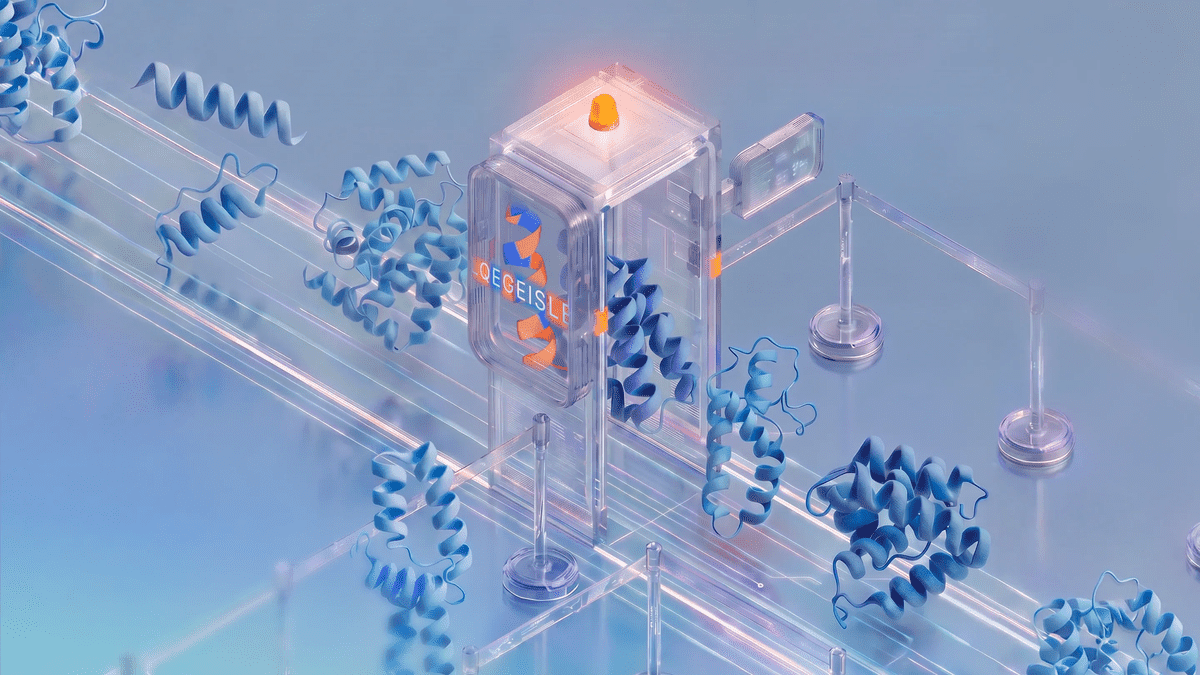
Google DeepMind unveiled SynthID Bio, which slightly steers amino acid choices or atomic coordinates so AI-designed proteins carry a statistically detectable mark. Tests on VEGF-A, SARS-CoV-2 spike RBD and PD-L1 targets showed watermarked binders matched unwatermarked ones in success rate and binding strength.
Why it matters
In early lab work, the mark did not break the binders' function, so the designs kept working while carrying a detectable signature — a sign that provenance checks may be feasible without sacrificing performance.
What to watch
The mark alone cannot solve biosafety concerns, and hardening it against deliberate modification remains a listed challenge. Combined use with provenance metadata and registration systems for AI-generated biological data is being considered.
WHO IT HITSTeams that screen DNA synthesis orders and curators of biological databases such as Protein Data Bank, UniProt and GenBank may gain a way to flag or verify AI-designed sequences and structures, while protein-design labs face the question of whether adding a detectable mark changes downstream work.
Summaries like this, in your inbox every morning.
Google DeepMind had already developed SynthID to embed hard-to-perceive marks in images, audio, video and text. SynthID Bio extends that idea to synthetic biology as a proof of concept. The body frames the need directly: as designing new proteins becomes easier, it becomes harder to tell whether an unfamiliar sequence came from nature or from an AI. DNA-synthesis companies compare ordered sequences against databases of known dangerous sequences, but AI can generate sequences that barely resemble known ones, so matching alone may struggle to establish origin. Unlabeled AI-generated 3D structures entering public databases could also affect follow-on research.
The technical approach is deliberately light-touch. For amino acid sequences, the system slightly biases amino acid choices during generation within a range that does not greatly change protein properties, leaving a statistically detectable feature. For structural data, atomic coordinates are subtly adjusted to carry similar identifying information. In tests combining AlphaProteo and ProteinMPNN against three targets — VEGF-A, the SARS-CoV-2 spike protein RBD, and PD-L1 — the watermarked proteins showed design success rates and binding strength similar to unwatermarked ones, with sequence diversity maintained. DeepMind also fine-tuned part of AlphaFold 3's diffusion network so the model itself generates marks, and reported almost complete detection while maintaining prediction accuracy, even with small noise or coordinate changes.
DeepMind positions SynthID Bio as useful for DNA-synthesis screening and for identifying AI-generated data in databases such as Protein Data Bank, UniProt and GenBank. Along with Stanford University and the Arc Institute, it has also embedded marks in genomes designed by the genome-generating AI Evo 2, and early experiments confirmed watermarked bacteriophages functioned in bacterial culture. Whether this approach becomes routine likely hinges on how well the marks survive deliberate modification and how they are paired with provenance metadata and registration systems; a technical paper on extending the method to more complex biological data is planned.
Pick your industry and the AI tools you use, and get news related to your work every day.
Free · 30 seconds with Google · unsubscribe anytimeWhat is AIToday? →
Ask AI anything about this article. The AI reads this article, earlier AIToday articles, and Wikipedia, and cites its sources. Q&As are published on this page for other readers too.
Yann LeCun, the 2018 Turing Award winner, said he has "zero concerns" about rogue AI incidents like OpenAI age…

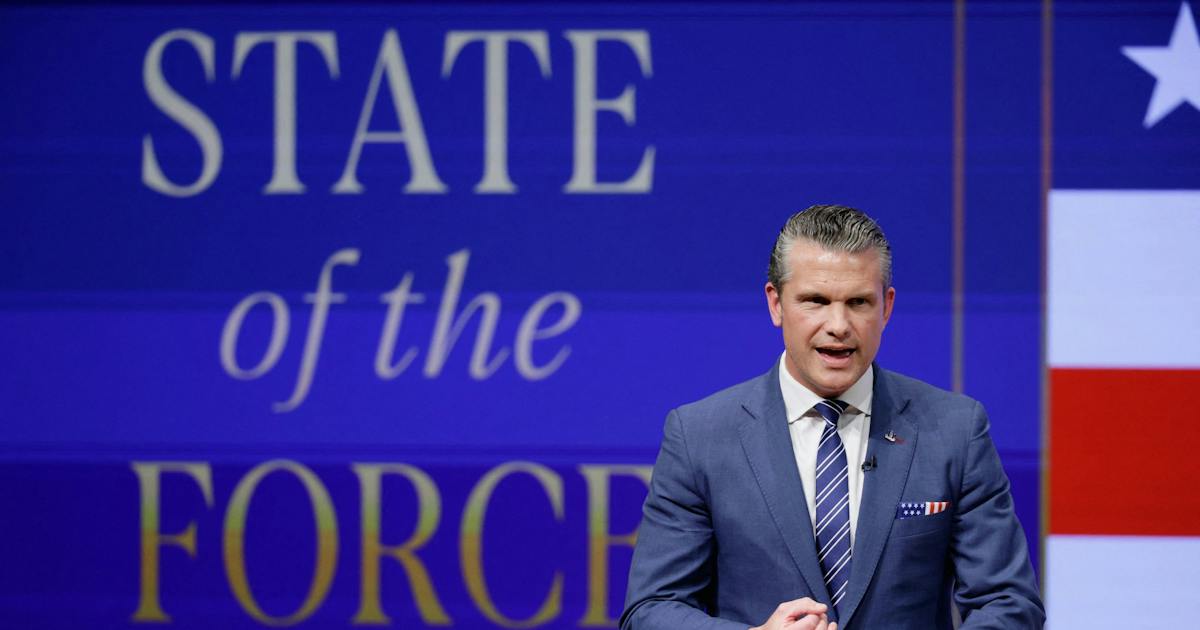
Defense Secretary Pete Hegseth said the US will create an "Autonomous Combat Force" under a four-star officer…
Bloomberg reports Amazon's delivery smart glasses shoot still images at intervals during walks, possibly thous…

Nathan Langley (ninjahawk) of the University of North Carolina released livenerf, a benchmark built on Britain…
Huntress found attackers naming a Custom GPT "Plus 5.6" on the real chatgpt.com, sometimes reached via sponsor…
AI leaders were invited to the White House and left with an agreement the author describes as "morally binding…