What happened
OpenAI released documents revealing solutions to hundreds of math problems that top mathematicians had struggled with for decades, prompting The Economist to call it "judgment day for mathematics" and others to dub it "The Mathpocalypse."
Why it matters
The documents suggest a new kind of mathematical super-genius may be able to find flaws in the algorithms that encrypt banking passwords, email accounts, and other digital data.
Summaries like this, in your inbox every morning.
The uproar follows an unusual sequence: rather than a security breach, it was a document drop from OpenAI that The Economist proclaimed "judgment day for mathematics" and others simply dubbed "The Mathpocalypse." The documents reveal solutions to hundreds of math problems that top mathematicians have struggled with for decades, which is what led a prominent cybersecurity expert at Johns Hopkins to say, "We might lose public key cryptography."
The concern is not that encryption is broken today. The algorithms in question have been part of daily life for years and have long been regarded as sound by top cryptographers, and they may hold up for years to come. The fear is about timing: if flaws exist, powerful new AI math tools could eventually find them. That prospect has landed hardest on the crypto community, where one Bitcoin researcher cited the possibility that the ECDSA protocol could soon be cracked and suggested holders "calmly begin planning for 'bunker mode'" by moving funds to secret new addresses. Other crypto experts have replied that such a move is too drastic for now.
As TBPN noted, a game theory element may keep any exploit quiet: a bad guy with a killer hack would be foolish to carry out a massive heist, since that would likely destroy the value of the crypto, and would instead conduct smaller, more subtle robberies. Markets offered little immediate signal, as news of the Mathpocalypse created barely a ripple. That has not stopped the debate, with Dragonfly's Haseeb Qureshi publishing "Against Cryptographic Doomerism," arguing that blockchains should up their governance game and prioritize speed over decentralized purity.
Pick your industry and the AI tools you use, and get news related to your work every day.
Free · 30 seconds with Google · unsubscribe anytimeWhat is AIToday? →
Ask AI anything about this article. The AI reads this article, earlier AIToday articles, and Wikipedia, and cites its sources. Q&As are published on this page for other readers too.
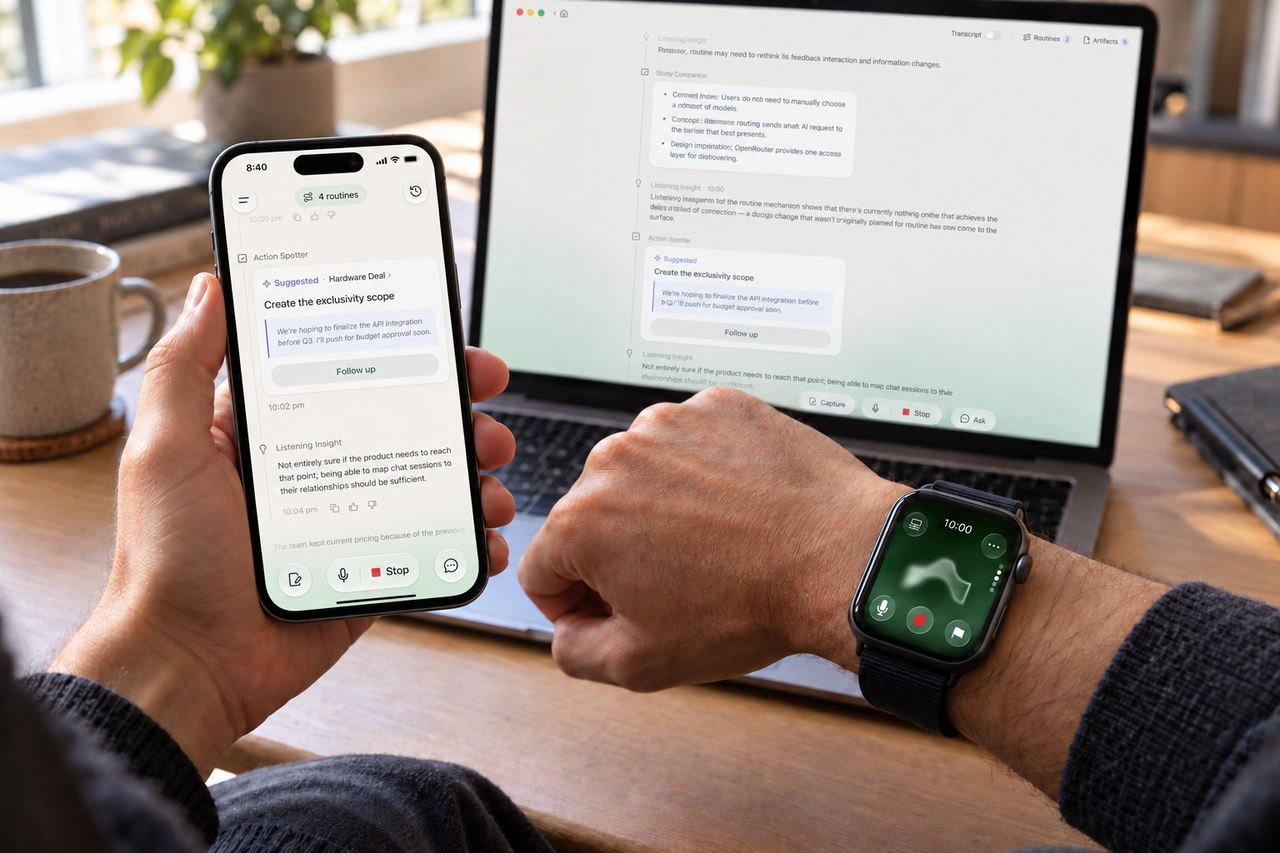
Mistlabs Ltd. took Ambi out of beta on Apple devices, backed by $26 million in Pre-A funding led by Luminous V…
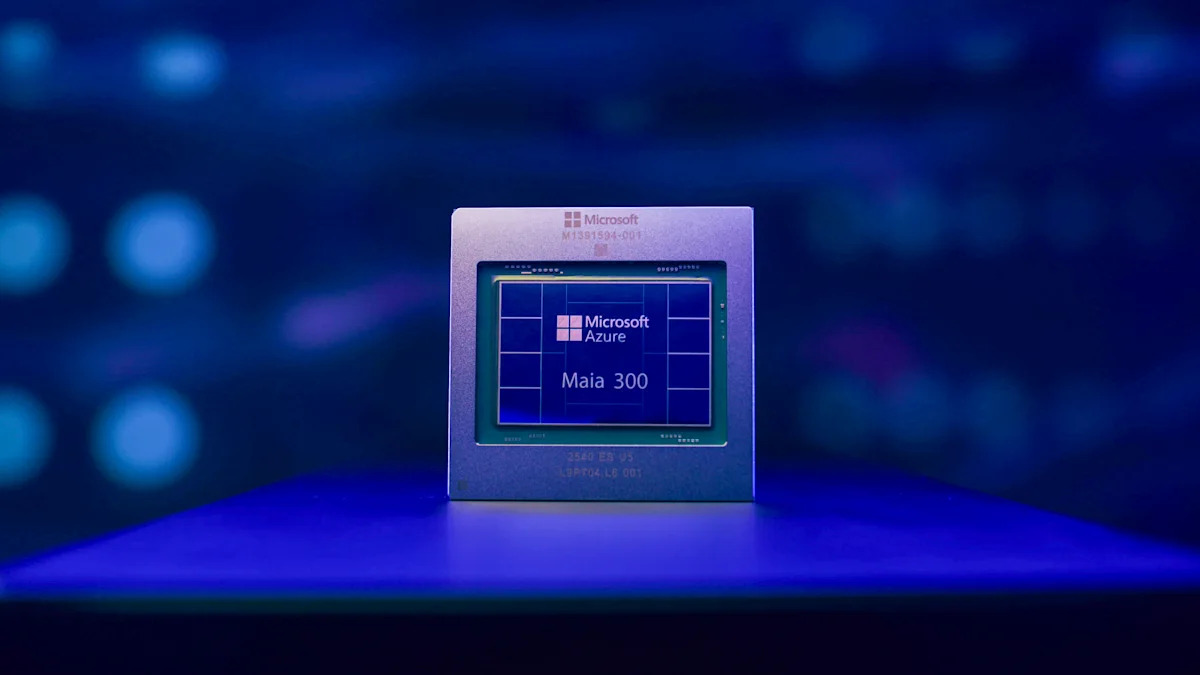
Microsoft debuted the Azure Maia 300 at the OCP Global Summit 2026 in San Jose, saying it provides 40% more to…
Eightfold AI CEO Ashutosh Garg launched TwinCafe, where candidates upload a résumé, LinkedIn profile and work…

The developer's settings.json deny list blocked commands starting with the literal text like git push, but off…

R2-san's Mitate, a project for the 5th Agentic AI Hackathon with Google Cloud, reached about 2,990 commits and…
Since 2026-10-07, Max 5x, Max 20x and Team plans include monthly API credits — $100, $200 and up to $500 per s…

