What happened
NVIDIA released Isaac ROS 5.0, adding agentic workflows, Isaac Skills for setup and manipulation, and support for ROS 2 Lyrical and Ubuntu 24.04, the company said at ROSCon in Toronto.
Why it matters
The release brings AI agents into robotics development, which NVIDIA says can automate repetitive tasks and help developers deploy applications faster.
What to watch
The commercial payoff hinges on whether developers actually adopt the new agentic workflows and skills; NVIDIA says a manufacturing-first focus is already emerging.
WHO IT HITSRobotics developers and engineers using ROS can now use AI agents to automate setup, fine-tuning, and manipulation tasks, but they will need to adopt the new Isaac ROS 5.0 packages and the ROS 2 Lyrical platform to see the claimed speed-ups.
Summaries like this, every morning.
NVIDIA's Isaac ROS 5.0 release at ROSCon in Toronto builds on the company's earlier contributions to ROS 2, particularly CUDA acceleration features that have been available since the spring. By adding agentic workflows, reusable skills, and agent-ready documentation, NVIDIA aims to reduce the friction in robotics development that its product marketing manager Katie Washabaugh described as piecing together plumbing and waiting on setups. The release also introduces support for ROS 2 Lyrical and Ubuntu 24.04, giving developers a path to adopt the latest ROS platform while keeping GPU acceleration.
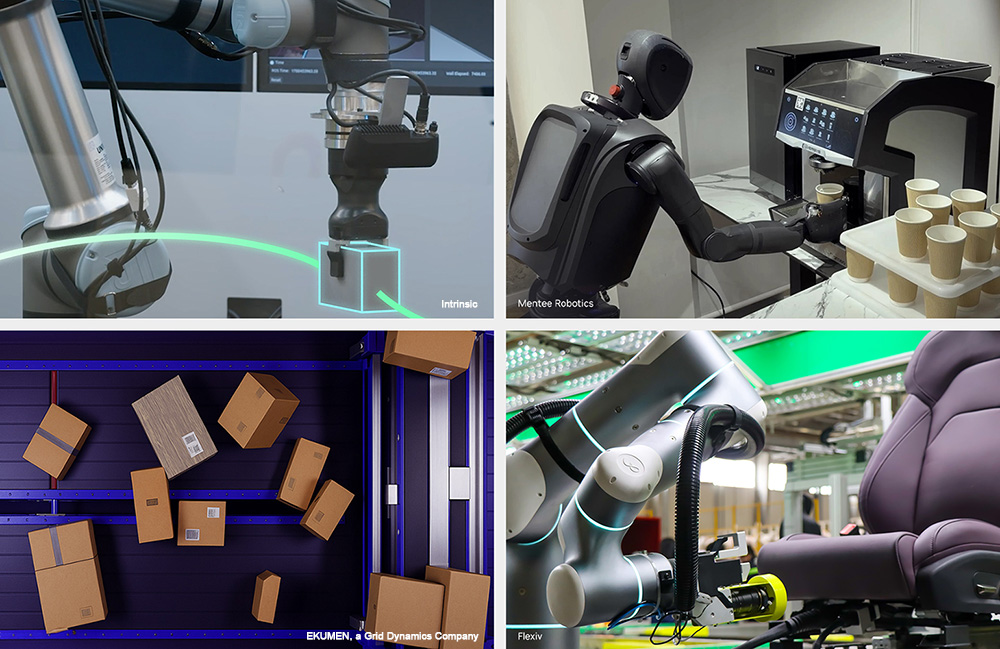
The update includes new Isaac Skills for setup and manipulation, a FoundationStereo fine-tuning skill, and an agent-ready inference library for FoundationPose that NVIDIA says speeds up object pose estimation and tracking by up to 5.5x. The pick-and-place workflow is now a standalone, agent-ready skill. Washabaugh said NVIDIA is not targeting any single industry or robot form factor, but noted a manufacturing-first focus in the ecosystem. Early users include Intrinsic, Mentee Robotics, EKUMEN, and Flexiv.
Whether these tools meaningfully shorten development cycles for the nearly 1.3 million ROS users will depend on how quickly developers adopt the agentic skills and the new platform support. The open-source approach NVIDIA emphasizes could accelerate that adoption, but the real test is whether the promised automation and speed-ups hold up across diverse robotics applications, not just in NVIDIA's demos.
Pick your industry and the AI tools you use, and get news related to your work every day.
Free · 30 seconds with Google · unsubscribe anytimeWhat is AIToday? →
Ask AI anything about this article. The AI reads this article, earlier AIToday articles, and Wikipedia, and cites its sources. Q&As are published on this page for other readers too.
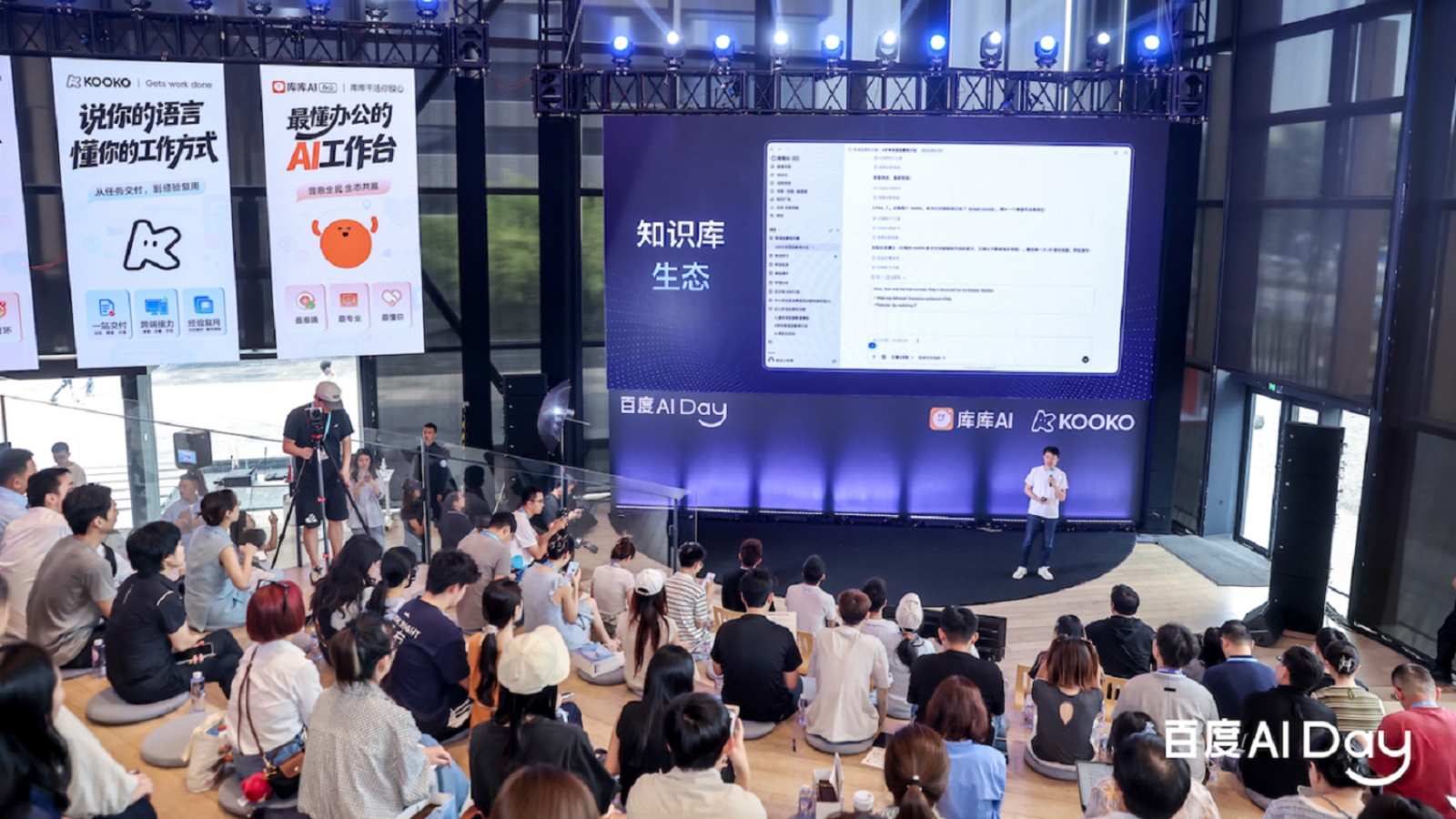
Baidu said on September 21, 2026 that Kooko, the overseas edition of its Kooko AI office assistant, passed 10…
FastMetal started offering Qwen4 Max on Nov 17, 2026, a day after Alibaba published it; the model has 2.4 tril…
Snapchat introduced Easy Lens CLI, which lets AI assistants like Claude Code, Cursor and Codex build Lenses fr…

Salesforce wired Amazon SageMaker AI's cross-Region inference routing into its Internal Gateway, so one manage…
OpenAI said Apollo Research, METR, Transluce and Goodfire will work on-site at its offices, with access to unr…

Walt Disney Imagineering R&D revealed three Audio-Animatronic prototypes—Vilo Vele, Kado Bre'a, and Jibu Bre'a…