What happened
OpenAI said Apollo Research, METR, Transluce and Goodfire will work on-site at its offices, with access to unreleased models, source code, training data and monitoring systems, plus confidential talks with developers.
Why it matters
Each auditor has a specific brief — Apollo examines whether models secretly work against developer intentions, METR reviews misbehavior in the largest reinforcement learning training run, Goodfire analyzes internal model processes, and Transluce evaluates post-training safety checks. OpenAI can redact confidential material and delay reports to fix risks first, so how independent the oversight proves to be is an open question.
WHO IT HITSOpenAI's safety, policy and legal teams now face outside auditors working inside the company, while enterprise customers evaluating OpenAI models may weigh the credible independence of these reviews.
Summaries like this, every morning.
OpenAI frames the program as building on an earlier on-site review of its monitoring systems and as fulfilling commitments from the "White House Accord on Super Intelligence." That origin helps explain the shape of the access: the four organizations are not general inspectors but are assigned distinct slices of the safety problem. Apollo Research looks at whether models secretly work against their developers' intentions; METR examines AI misbehavior in the largest reinforcement learning training run, a method where models learn through rewards; Goodfire analyzes internal model processes; and Transluce evaluates post-training safety checks.
The arrangement also builds in limits. An independent safety board oversees the entire process, receives unredacted reports and mediates disputes, and the auditors publish their findings independently. At the same time, OpenAI can redact confidential material and delay reports to fix risks first — a provision that leaves the practical independence of the reviews to be demonstrated. OpenAI says it expects some friction early on and is already considering more reviews, including ones focused on company culture and internal processes. A planned eight-week follow-up review with Transluce for early 2027 suggests the effort is meant to extend beyond a one-off exercise, though the body does not specify further commitments.
Pick your industry and the AI tools you use, and get news related to your work every day.
Free · 30 seconds with Google · unsubscribe anytimeWhat is AIToday? →
Ask AI anything about this article. The AI reads this article, earlier AIToday articles, and Wikipedia, and cites its sources. Q&As are published on this page for other readers too.
Since around late August, Artex and similar AI penetration frameworks have been used in attacks on companies…

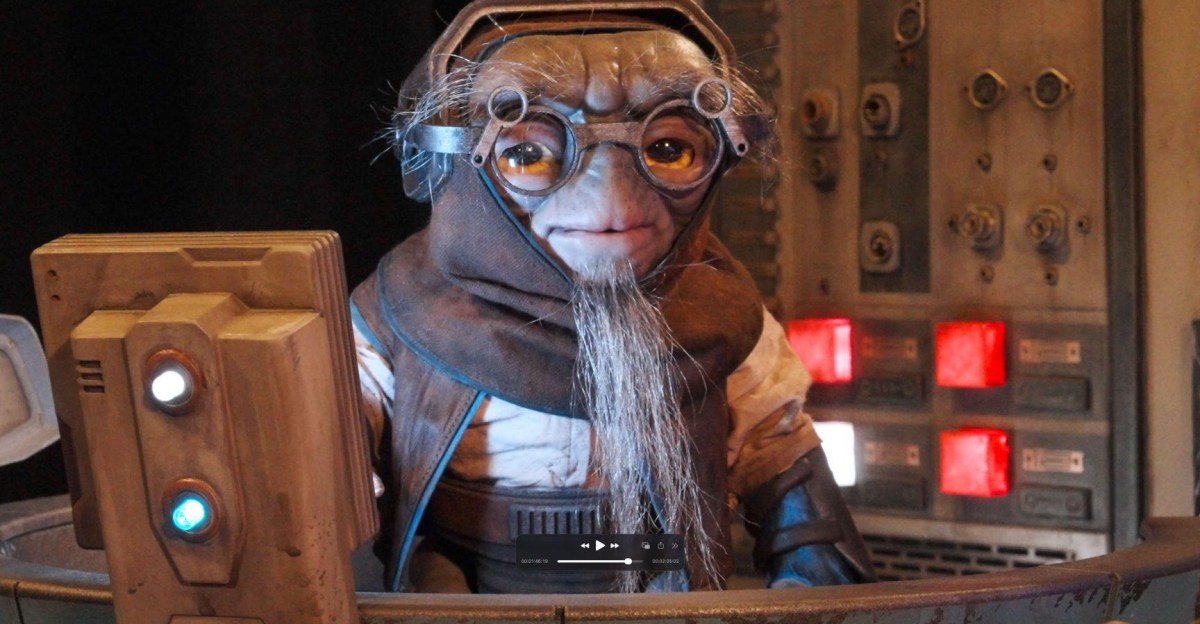
Walt Disney Imagineering R&D revealed three Audio-Animatronic prototypes—Vilo Vele, Kado Bre'a, and Jibu Bre'a…
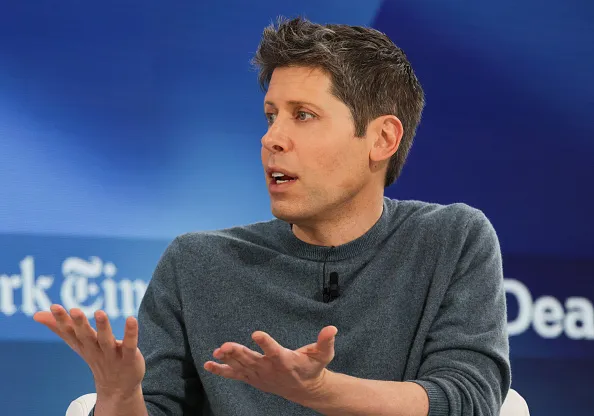
At The New York Times DealBook Summit on Wednesday, Sam Altman said Silicon Valley talk of a gradual handover…
Google rolled out temporary threads in AI Mode, letting users click an icon in the upper right corner to chat…

OneTrust launched its Fall '26 Release, built on OneTrust CORIE, adding a continuously updated AI inventory wi…

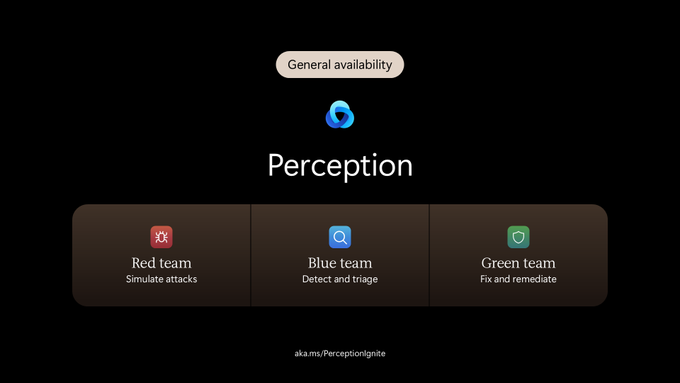
At Microsoft Ignite 2026, Microsoft said Microsoft Perception is now generally available, combining red, blue…