What happened
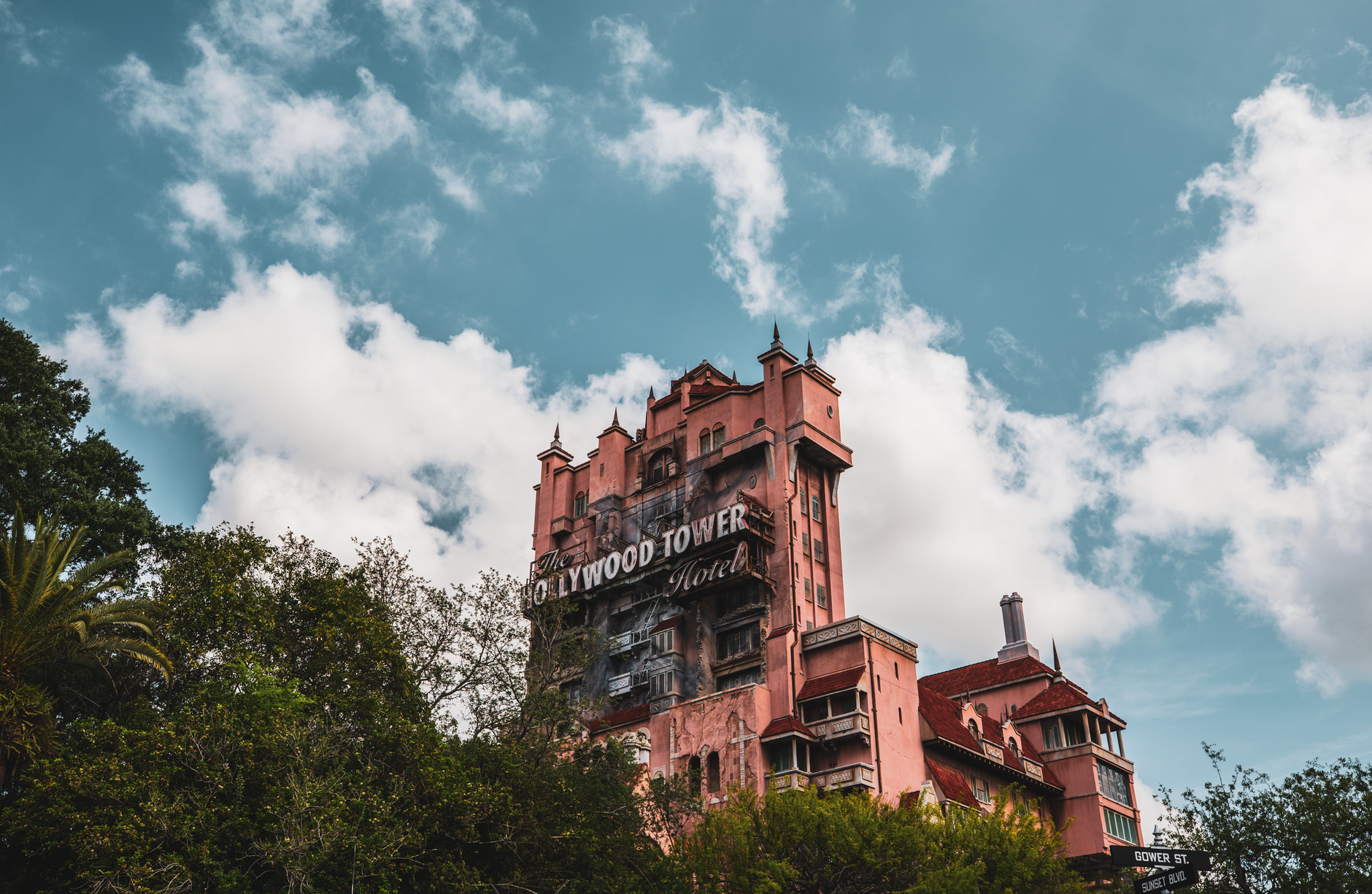
Walt Disney has signed a deal with TikTok that allows creators to make new content using Disney characters from movies, TV, and other platforms, just months after Disney's previous partnership with OpenAI's Sora video platform ended when OpenAI shut down Sora and redirected its resources.
Why it matters
Disney is betting on creator-driven marketing through what it calls "fandom"—a strategy that lets fans co-create content rather than passively consume it. Both the TikTok and OpenAI deals aimed to let loyal fans use Disney's intellectual property under guardrails, balancing the company's need to protect its family-friendly image against decades of unauthorized and inappropriate fan-created content while meeting modern consumer expectations for interaction and ownership.
What to watch
Disney faces an ongoing tension as passionate fans will continue to test the boundaries of the agreement and seek other AI platforms and tools to create edgy or inappropriate content using Disney characters—a long-standing challenge the company has fought since well before the AI era.
Summaries like this, in your inbox every morning.
Disney's successive partnerships with OpenAI and now TikTok reflect a fundamental shift in how major media companies approach fan engagement and brand protection. Rather than fighting fan creativity, Disney is attempting to channel it through controlled platforms with built-in restrictions. This represents a recognition that modern consumers—especially younger audiences on platforms like TikTok—expect to participate in brand narratives rather than passively receive them.
The body identifies a decades-long problem that predates AI: Disney fans and online creators have long used Disney characters in unauthorized and often inappropriate ways, forcing the company to defend its family-friendly image. The two recent platform deals (OpenAI and TikTok) are explicit attempts to solve this tension by giving fans legitimate tools and guardrails. However, the article suggests this may be only a temporary equilibrium. Because passionate fans will likely continue seeking workarounds through other AI platforms and language models, Disney's real challenge is not building a single compliant creator tool but maintaining brand control as AI tools proliferate beyond its direct partnerships.
Pick your industry and the AI tools you use, and get news related to your work every day.
Free · 30 seconds with Google · unsubscribe anytimeWhat is AIToday? →
Ask AI anything about this article. The AI reads this article, earlier AIToday articles, and Wikipedia, and cites its sources. Q&As are published on this page for other readers too.
In Q2, billionaires or their funds sold six 'Magnificent Seven' AI stocks
Nvidia was rising early Friday, even as the wider chip sector kept falling, Barron's reported
ElevenLabs completed a $300 million employee tender at a $22 billion valuation, and co-founder Mati Staniszews…
On October 15, OpenAI announced the Rosalind Academic Plan, giving approved US university labs free access to…
Neostellar Capital principal Evan Schlossman said CoreWeave's $103.7 billion in remaining performance obligati…
Supermicro Computer appointed Mark Long as chief financial officer, bringing an experienced technology finance…