What happened
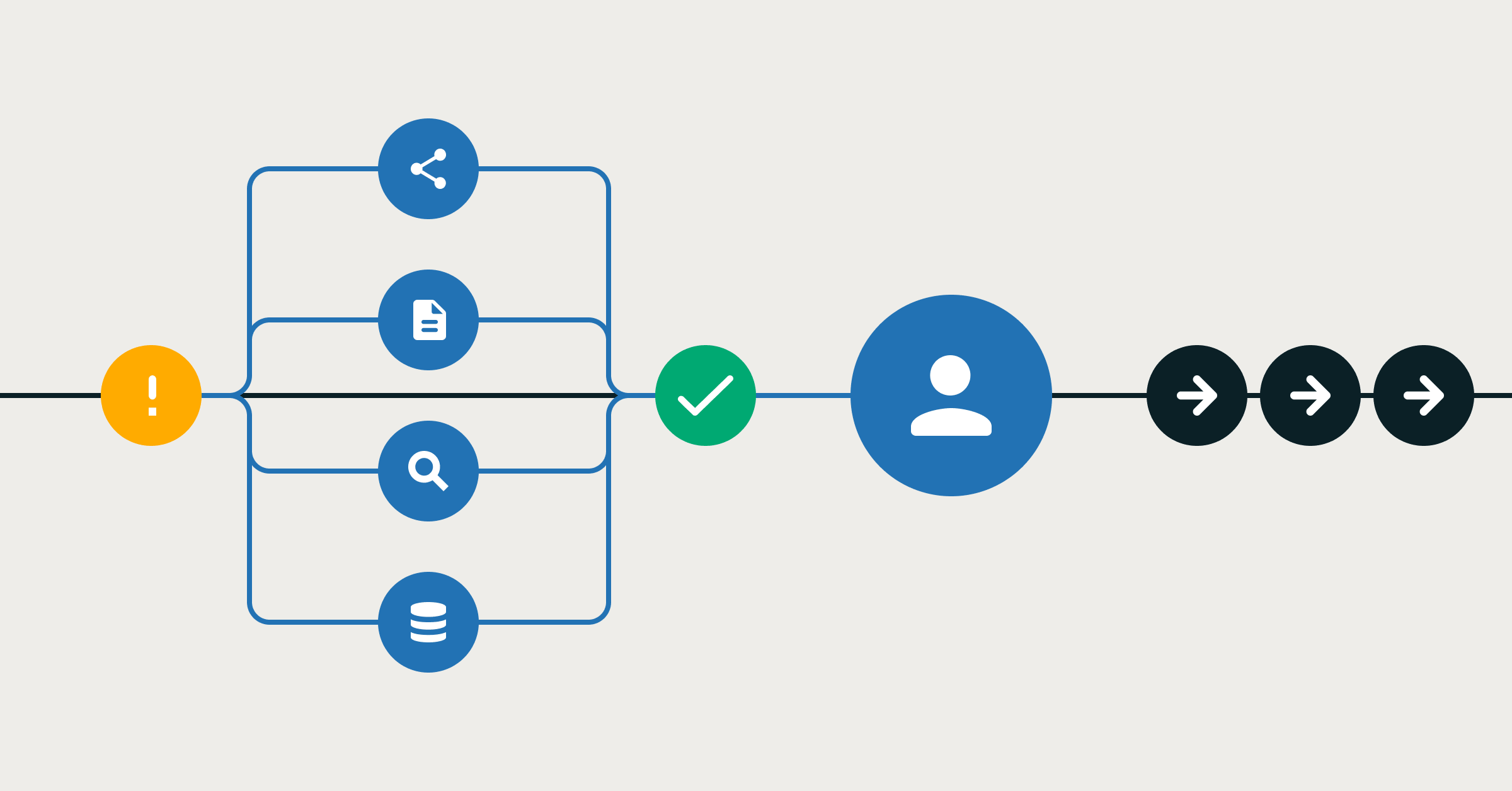
In a Databricks blog series, Principal Forward Deployed Engineer Molly Nagamuthu described four patterns — deterministic control with agentic reasoning, agentic execution with a deterministic judge, agentic reasoning with human authority, and bounded autonomy — for placing agents in controlled systems.
Why it matters
The framework gives architects a way to decide where an agent may reason or act and where a reproducible control or accountable person must keep authority, rather than treating agent adoption as a model choice.
Summaries like this, every morning.
The series is aimed at the gap Nagamuthu describes between agents that can reason through complex problems and enterprise systems, especially in regulated industries, that must stay controlled and auditable. Rather than framing this as a choice between rules and agents, she presents it as a question of how the two work together, and she notes that customers keep asking how other organizations handle the same constraints.
The patterns are organized around two recurring questions: where determinism must remain, such as when actions are irreversible or errors carry asymmetric risk, and where an agent can be given authority, particularly when actions are reversible or cheap to remediate. Her examples run from financial reconciliations, where an agent may investigate a failure but the deterministic control still decides pass or fail, to legacy migration judged by automated validation, financial crime investigations where an accountable person keeps the final decision, and governed data access granted inside a defined operating envelope.
Nagamuthu also argues that existing deterministic systems need not be discarded. Policy engines can become control planes, validation frameworks can become deterministic judges, and operational limits can become autonomy boundaries. She adds that the boundaries can shift as systems mature, with judge rules refined from usage data and human authority narrowed as feedback builds confidence in agent reasoning.
Pick your industry and the AI tools you use, and get news related to your work every day.
Free · 30 seconds with Google · unsubscribe anytimeWhat is AIToday? →
Ask AI anything about this article. The AI reads this article, earlier AIToday articles, and Wikipedia, and cites its sources. Q&As are published on this page for other readers too.
Amazon added AI agents to AWS Marketplace that find products, review contract terms, check vendor security and…
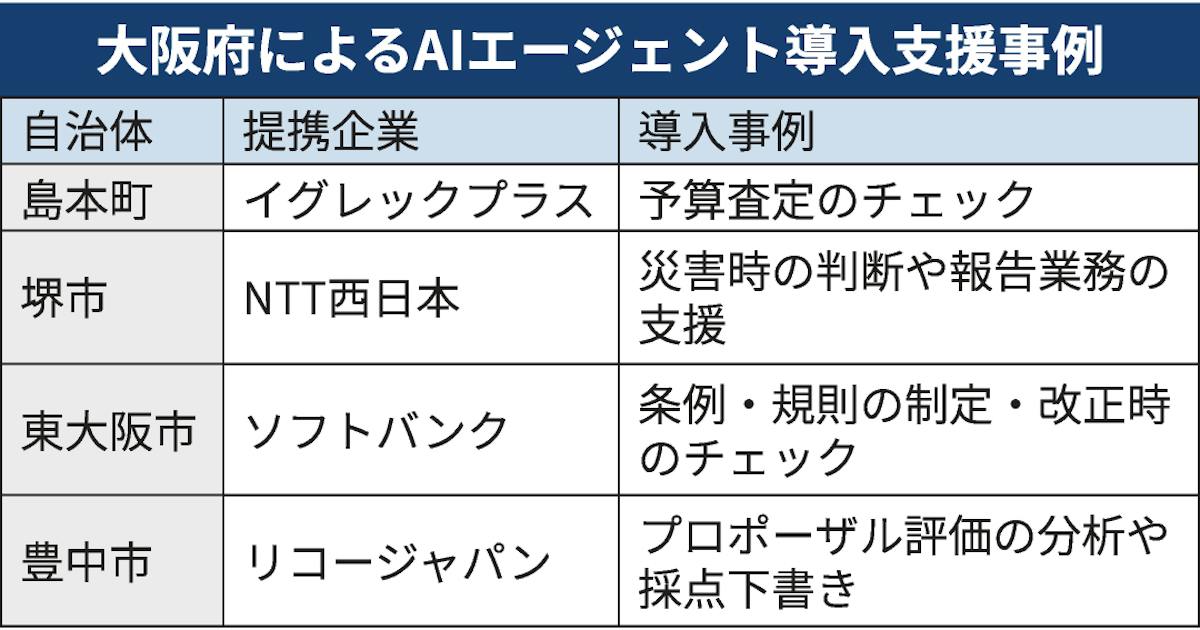
Osaka Prefecture is offering to help municipal governments adopt AI agents (software that acts on tasks autono…
On a post-earnings call, Tencent President Martin Lau said Commerce's Nov 16 interim rule curbing remote acces…

The Information reports Meta plans to price the Muse Charm, a small screen device for chatting with its Muse A…

Google added a collapsible sidebar to its desktop homepage worldwide, showing users' AI Mode search history wi…

Amazon upgraded the AgentCore harness to run on its open-source Strands harness, available under an Apache 2.0…