What happened
Amazon upgraded the AgentCore harness to run on its open-source Strands harness, available under an Apache 2.0 license, and added lifecycle hooks so deterministic code can allow or deny agent actions at defined checkpoints.
Why it matters
With hooks, a Lambda function can check a refund against an approval limit before the refund tool runs, turning non-deterministic AI behavior into predictable, governed workflows, and the upgrade requires no new resource type or integration.
WHO IT HITSEnterprise teams building AI agents on Amazon Bedrock, especially those handling consequential actions like refunds, gain built-in policy checks and managed defaults without operating the underlying infrastructure themselves.
Summaries like this, every morning.
Amazon positions the upgrade as a way to remove assembly work from agent building. Strands harness supplies recommended instructions, tools, and context management, while AgentCore harness operates that foundation as a managed AWS service. Each session runs in a secure, kernel-isolated microVM in AgentCore runtime, so customers do not provision compute, host the agent loop, or operate tool-execution infrastructure.
The managed defaults are meant to evolve. When the model is omitted, the harness uses a recommended default model that changes as new models are released; proactive context management summarizes older conversation turns once a configurable threshold is reached. Explicit configuration, such as a model ID, systemPrompt, truncation policy, or allowedTools list, always takes precedence, which lets applications that need a fixed security or capability boundary opt out of the shifting defaults.
Lifecycle hooks are the other half of the pitch. Because they apply to subagents too, a delegated task cannot bypass a refund policy set at the parent level, and every decision appears in the InvokeHarness response stream as a hookEvent. Amazon also points customers to a Refund Desk sample in its AgentCore samples repository that walks through all four lifecycle events and the Lambda, SNS, and EventBridge target types.
Pick your industry and the AI tools you use, and get news related to your work every day.
Free · 30 seconds with Google · unsubscribe anytimeWhat is AIToday? →
Ask AI anything about this article. The AI reads this article, earlier AIToday articles, and Wikipedia, and cites its sources. Q&As are published on this page for other readers too.
Amazon added AI agents to AWS Marketplace that find products, review contract terms, check vendor security and…
Sound Ventures invested about $435 million in Anthropic across funding rounds, starting with $35 million in th…

In a Databricks blog series, Principal Forward Deployed Engineer Molly Nagamuthu described four patterns — det…
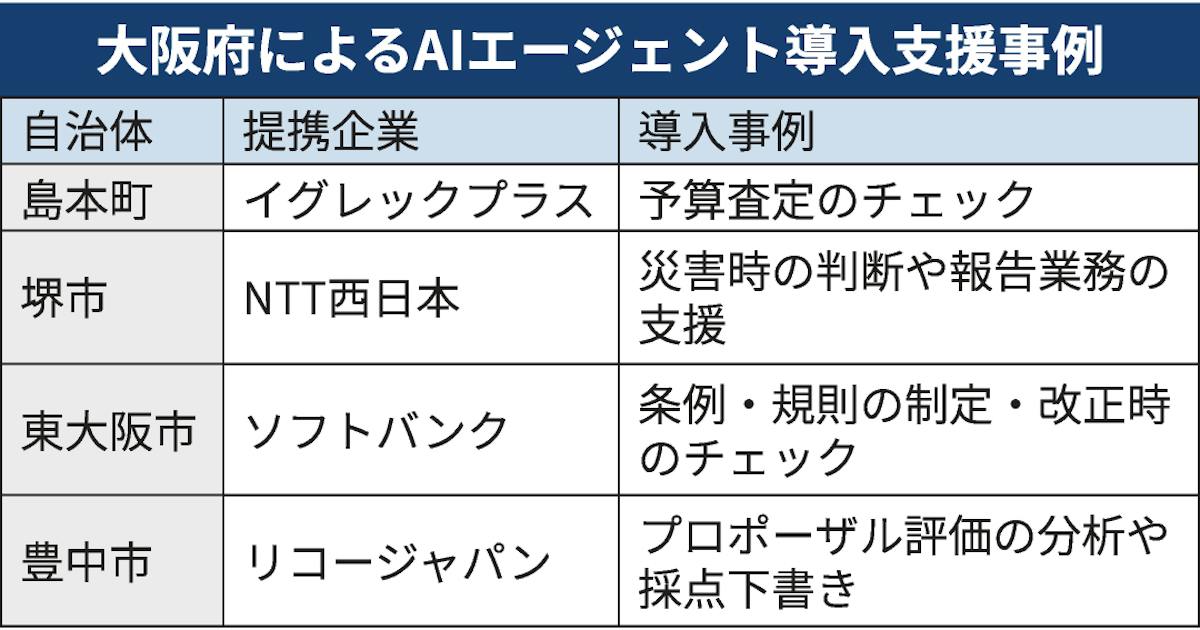
Osaka Prefecture is offering to help municipal governments adopt AI agents (software that acts on tasks autono…
On a post-earnings call, Tencent President Martin Lau said Commerce's Nov 16 interim rule curbing remote acces…

The Information reports Meta plans to price the Muse Charm, a small screen device for chatting with its Muse A…