
What happened
In a 54-question test matching an earlier Gemini Decision 1 run, the open-weights nexus-decision-4b answered 47 correctly (87.0%) versus Decision 1's 53/54 (98.1%); 46 of the 54 questions were image-based.
Why it matters
nexus is a 4B model built for text decisions and not trained on images, so the gap may look different on a text-only comparison such as intent classification, though the author notes rankings could shift.
Summaries like this, every morning.
The test reuses the exact same 54 questions and answer key as the author's earlier run against Gemini Decision 1, which makes the 47-versus-53 result a like-for-like comparison on that specific set. Of those 54 questions, 46 are image problems, even though nexus was designed for text judgments; the author carried its visual tower over from the base Qwen3.5-4B without training it for decisions. That context matters when reading the model's own author's figures: a reported 92% coverage on 1,786 text questions is not directly comparable to the 79.6% coverage measured here, since the test set, the image share and the quantized GGUF build all differ, and on 54 questions a single question is worth about 1.9 percentage points.
The practical obstacle turned out to be getting the model to run at all. The Hugging Face DecisionPipeline path was not usable because the full-precision model did not fit the test machine, and llama.cpp's systemone endpoint rejected nexus, returning HTTP 501. The author instead followed the documented protocol of reading the logits for each answer letter and dividing by temperature to produce probabilities, running a community-converted GGUF build rather than an official one.
The misses are instructive. Three failures involved bears photographed at a distance, and the tester notes that all images were compressed with a 256-token cap for speed, so that effect could not be isolated. One text question was answered incorrectly at 0.987 confidence, despite text being the model's intended strength, while a low-confidence miss at 0.544 could have been routed to a human under threshold-based operation.
Pick your industry and the AI tools you use, and get news related to your work every day.
Free · 30 seconds with Google · unsubscribe anytimeWhat is AIToday? →
Ask AI anything about this article. The AI reads this article, earlier AIToday articles, and Wikipedia, and cites its sources. Q&As are published on this page for other readers too.
OpenAI published copy-ready prompts for GPT-6.2 Astra and Sol covering writing style, initiative, and coding…
Seramount's survey of more than 1,800 U.S

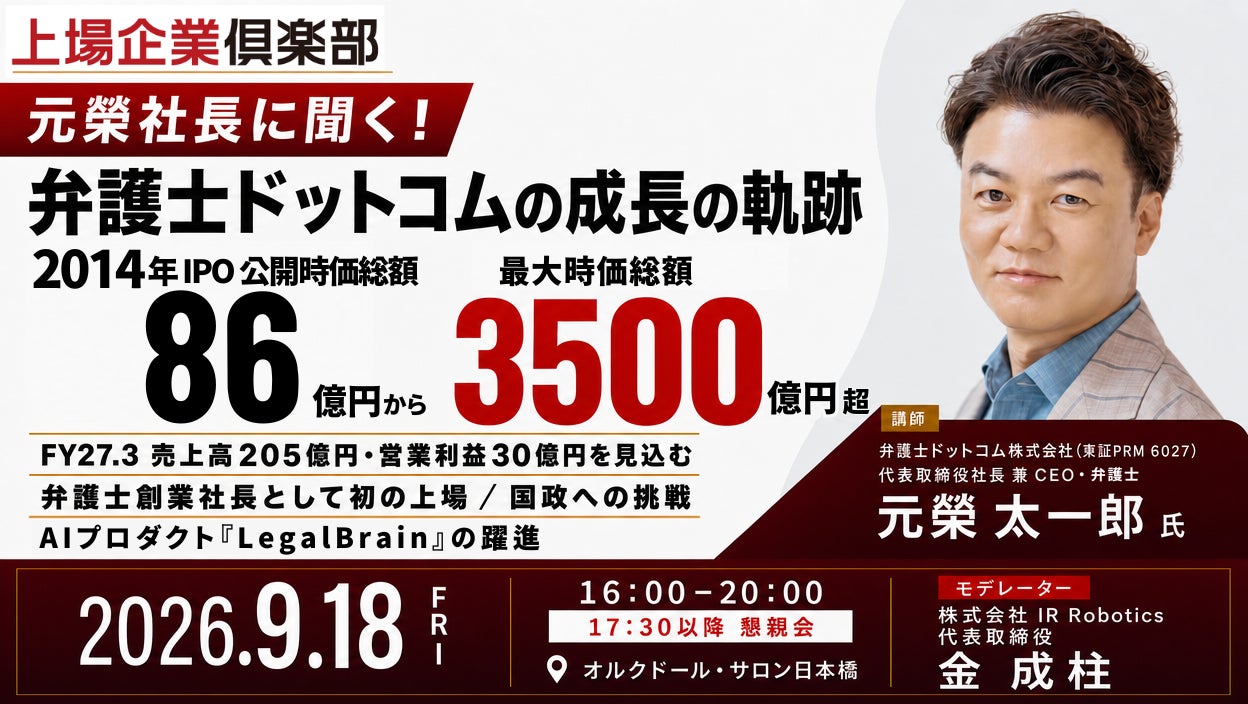
At the 73rd Listed Company Club on September 18, Bengoshi Dotcom CEO Taichiro Motoe traced an eight-year push…
Levent Alpöge said he and Claude proved the Riemann Hypothesis and the Generalized Riemann Hypothesis; the Lea…

A Fortune commentary notes OpenAI's terms leave delivery and returns with merchants and keep existing card dis…
Google said K-12 accounts that block its AI tools will lose Google Search entirely, with VP for education Chri…