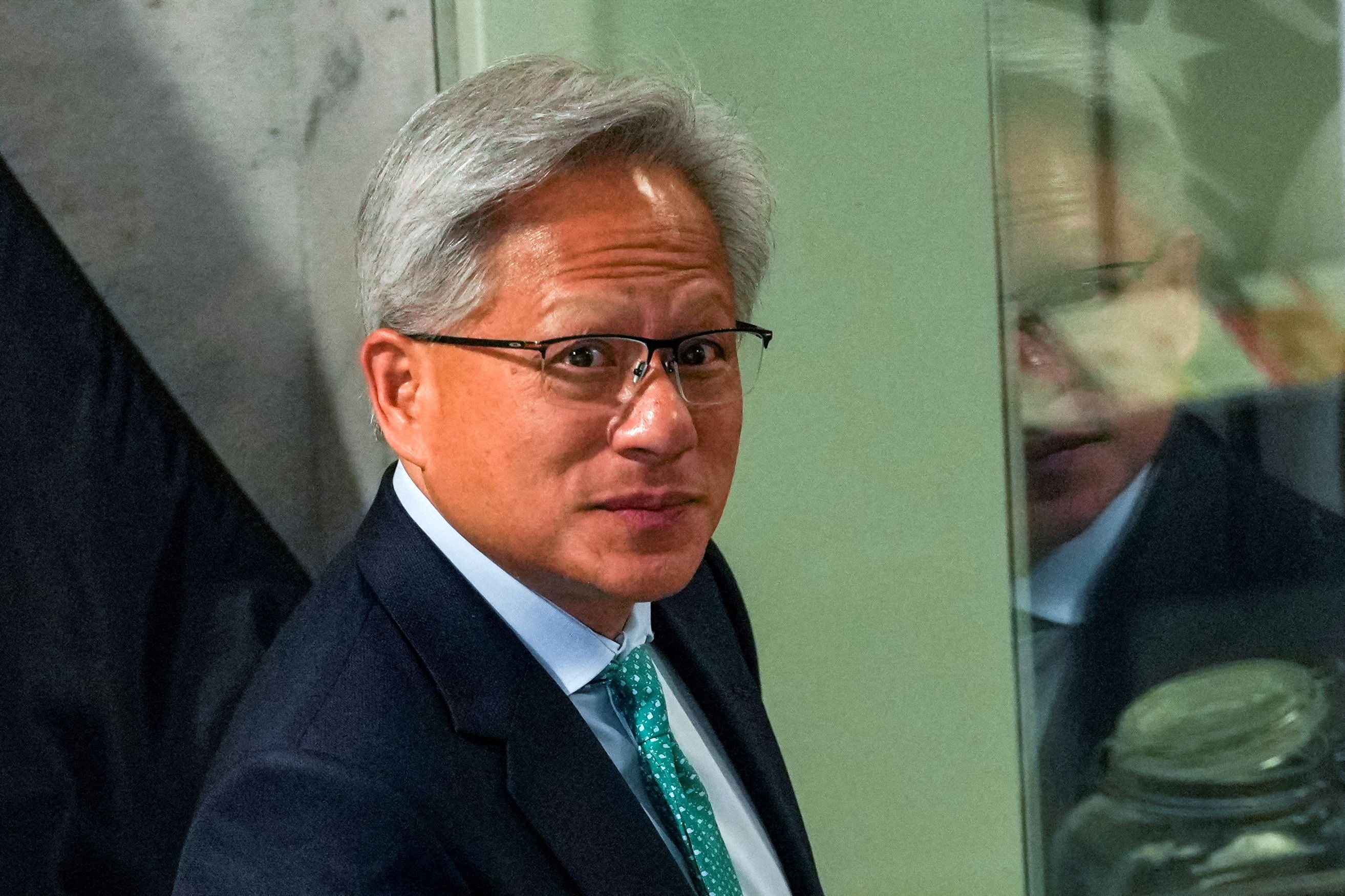
Nvidia is raising server prices by over 15% due to memory costs.
This shows memory suppliers' power over AI.
Nvidia also spends $6 billion on open-model tech.
What happened
Nvidia warned some of its biggest customers to expect price hikes of more than 15% for servers containing its AI chips, as reported by Bloomberg, due to soaring memory costs.
Why it matters
Memory chip companies now have leverage over the AI industry, and Nvidia is also contributing to the squeeze by spending $6 billion to license technology from startup Poolside to build an open-weight model, competing with DeepSeek, Moonshot, OpenAI, and Anthropic.
What to watch
Frontier AI companies face pressure from open models; Anthropic's US customers are increasingly using cheaper alternatives to its strongest models, raising questions about its high spending ahead of a potential record-breaking IPO.
Ask the AI about this article →
Nvidia's warning of price hikes above 15% for servers with its AI chips marks a shift in the AI supply chain, where memory chip makers now hold significant leverage. The soaring cost of memory, a key component in AI servers, is directly impacting the cost of AI infrastructure. This development is notable because Nvidia, as a dominant AI chip supplier, typically holds pricing power; the fact that it is passing on cost increases highlights the severity of the memory shortage. Nvidia's own push into AI is exacerbating the problem, as its planned $6 billion investment to license technology from Poolside to build an open-weight model will increase demand for memory chips, potentially sustaining the price pressure. Meanwhile, the broader industry is grappling with the rise of open models, which offer cheaper alternatives to proprietary systems. Anthropic's customers are increasingly opting for these less expensive options, which raises questions about the sustainability of high spending on advanced AI, especially as Anthropic approaches a potential record-breaking IPO. This dynamic could reshape the competitive landscape, as companies weigh the costs of proprietary AI against the affordability of open alternatives.
AI-summarized, only the topics you pick — one digest a day via Email, Slack, or Discord.
Free · takes 30 seconds · unsubscribe anytime
Ask AI anything about this article. Q&As are published on this page for other readers too.
Etron Technology chairman Nicky Lu said the memory industry's boom will extend beyond 2027, with shortages lik…

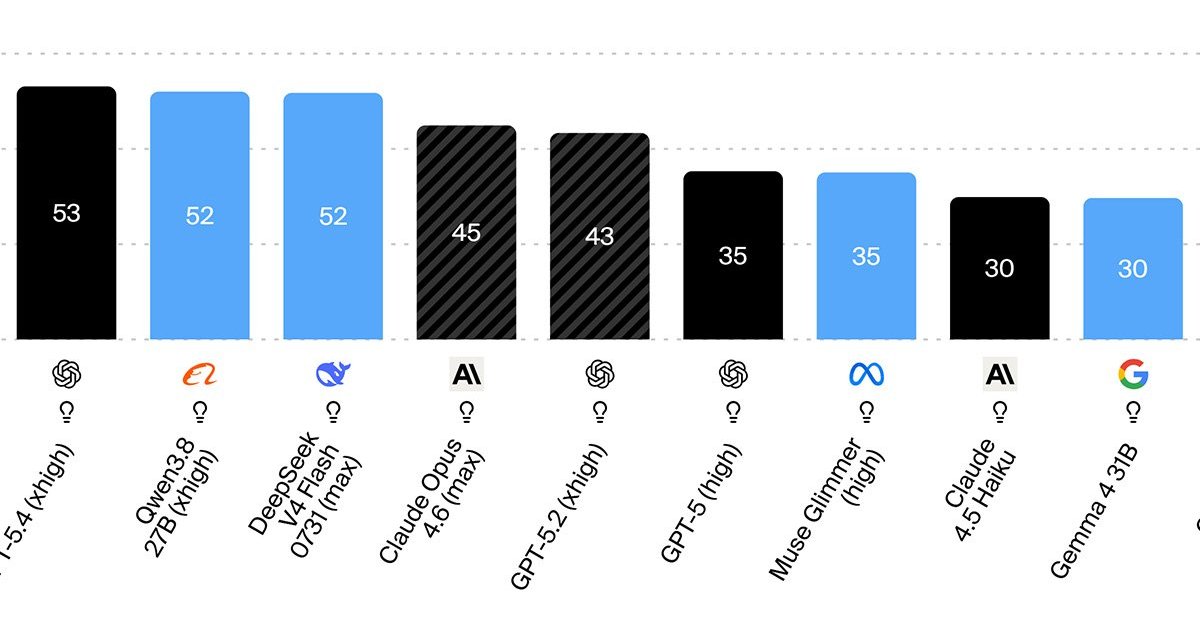
In 9 days from Aug 10, Meta (Muse Glimmer), NVIDIA (Nemotron 3.5 Lightning), and Alibaba Cloud (Qwen3.8-27B) r…
Observe by Snowflake, which combines unified telemetry storage, a context graph, and an AI SRE layer, helped s…

Snowflake announced dynamic model routing in Cortex AI Gateway, which selects the most affordable model for ea…
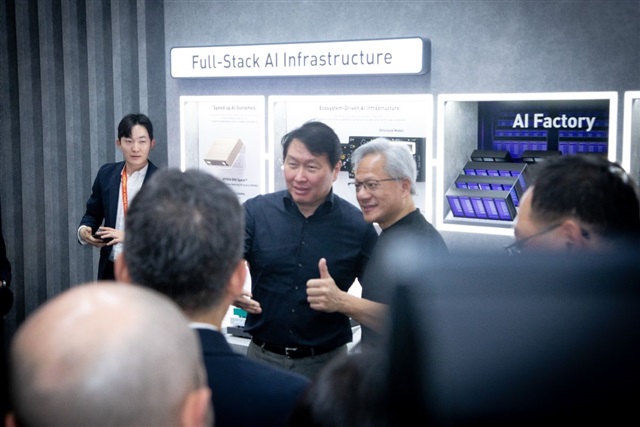
SK Hynix is pushing beyond HBM (high-bandwidth memory, a key component in AI chips) to two new areas: HBF and…
Nvidia is reportedly in discussions to invest in AI startup Perplexity as part of a funding round that would v…