What happened
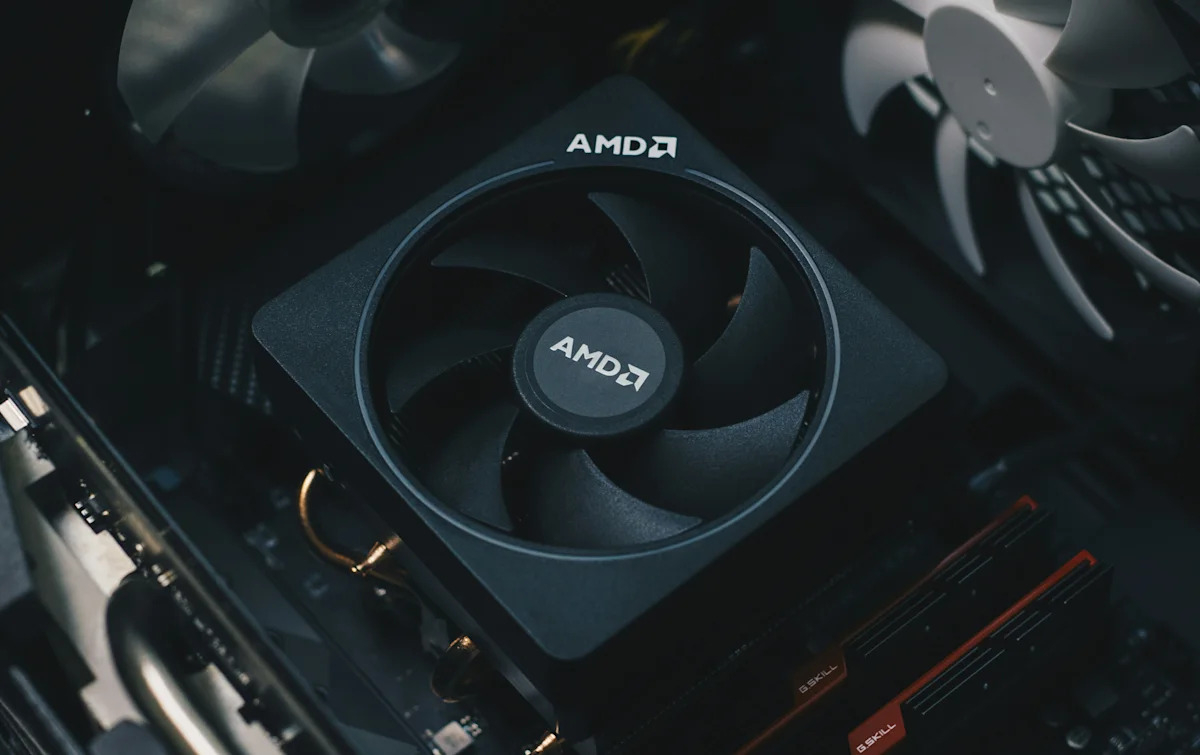
ARK Invest sold 25,917 AMD shares across four ETFs on August 17 while adding Nvidia, continuing a pattern that saw ARK's AMD holdings fall 48% from the end of Q1 to end of Q2. Meanwhile, Stanley Druckenmiller's Duquesne Family Office disclosed a new 72,900-share AMD position in its Q2 filing and exited positions in Broadcom, Micron, and Intel.
Why it matters
AMD's Q2 revenue jumped 50% year over year to $11.54 billion with Data Center revenue more than doubling to $6.72 billion, and management guided Q3 revenue to about $13 billion above Wall Street expectations. However, AMD trades at around 70 times forward earnings—a valuation that already prices in years of exceptional AI growth—and the stock fell sharply after the August 4 earnings report despite beating estimates, because investor expectations were even higher. The split reflects a fundamental tension: AMD can execute well and still disappoint if earnings growth does not keep pace with its valuation multiple.
What to watch
AMD's MI450 GPU agreements with Anthropic (up to 2 gigawatts of deployments) and Microsoft's plans to deploy Helios rack-scale systems and next-generation EPYC processors across Azure will be key tests of whether AMD can move beyond being Nvidia's distant GPU challenger to become a broader AI-infrastructure supplier. Wall Street price targets span from Wells Fargo's $700 to Morgan Stanley's $465 with an Equal-Weight rating.
Summaries like this, in your inbox every morning.
The divergence between Wood and Druckenmiller reflects two conflicting views of AMD's position in the AI infrastructure market. AMD's operational momentum is undeniable: Q2 revenue jumped 50% year over year to $11.54 billion, and Data Center revenue more than doubled to $6.72 billion. Management's guidance for Q3 revenue of about $13 billion exceeded Wall Street expectations, signaling continued strength. The firm also has credible catalysts ahead: agreements with Anthropic for up to 2 gigawatts of MI450 GPU deployments and Microsoft's plans to deploy Helios rack-scale systems and next-generation EPYC processors across Azure suggest AMD can broaden its role from Nvidia's distant GPU challenger into a full AI-infrastructure supplier.
However, valuation has become the limiting factor. At around 70 times forward earnings, the stock's multiple already embeds years of exceptional AI growth. The August 4 earnings report illustrated this tension acutely: despite beating estimates and raising guidance, AMD fell sharply in after-hours trading because the market had priced in an even larger beat. Wood's decision to trim AMD while adding Nvidia suggests she views the risk-reward as unfavorable at current valuations. Druckenmiller's entry, by contrast, may reflect a belief that the MI450 and Helios deployments offer sufficient near-term upside to justify the multiple, or that the market has gotten ahead of itself and a pullback will create a better entry point. Wall Street itself is divided: Wells Fargo's $700 price target and Morgan Stanley's $465 with an Equal-Weight rating span a wide range, underscoring the difficulty of reconciling AMD's strong fundamentals with its richly priced valuation.
Pick your industry and the AI tools you use, and get news related to your work every day.
Free · 30 seconds with Google · unsubscribe anytimeWhat is AIToday? →
Ask AI anything about this article. The AI reads this article, earlier AIToday articles, and Wikipedia, and cites its sources. Q&As are published on this page for other readers too.
Chunghwa Telecom president Rong-shy Lin said the shift from conversational AI to autonomous AI agents is resha…

CoreWeave fell 5% in premarket trading Friday and was on track to finish the week down 15%, after rebounding f…
Apple and Meta said they would jointly release a new open-weight AI model designed to run on high-end Macs, ai…

Investors put $38.5 billion into Asian startups in Q3, per Crunchbase data

A longtime Anthropic investor told Fortune he expects shares priced around $1.8 trillion, below the company's…

In Q2, billionaires or their funds sold six 'Magnificent Seven' AI stocks