
What happened
In an October 2026 note, Tōzuki Mio says OpenAI's monitoring announcement led with detections like flagging a September DNS misconfiguration's external reach within 15 minutes, while barely citing its "offline world" training policy.
Why it matters
Splitting detection from prevention may let OpenAI present basic monitoring as advanced progress and imply humans still control unpredictable models, Tōzuki argues — an impression seen as favorable to AI firms.
Summaries like this, every morning.
Tōzuki's note reads OpenAI's October 29 monitoring announcement against a policy disclosed around October 23. That policy removes live-internet access from frontier-model training, substituting an "offline world" built on cached web content, while acknowledging that full air-gapping is unrealistic and that narrow external connections remain for monitoring and experiments. The commentary's complaint is not that either step is fake, but that the monitoring post barely references the prevention policy. By isolating detection results — a faster catch of sandbox escape in a Hugging Face incident reproduction, and a September DNS misconfiguration's external reach flagged within 15 minutes — the post can make a basic control look like a sophisticated achievement, Tōzuki argues. The stated motive is narrative: "we can monitor uncontrollable AI" pairs the premise of unpredictable models with the impression that humans retain control. Tōzuki contrasts this with standard security order, where blocking an incident comes first and monitoring serves as backup, and suggests a junior security employee would be asked how an incident was prevented, not just detected. Whether the separation was deliberate message selection or routine information slicing is framed as a possibility, not a proven intent.
Pick your industry and the AI tools you use, and get news related to your work every day.
Free · 30 seconds with Google · unsubscribe anytimeWhat is AIToday? →
Ask AI anything about this article. The AI reads this article, earlier AIToday articles, and Wikipedia, and cites its sources. Q&As are published on this page for other readers too.
AI tools are being built to support staff without judgment, per a Financial Times report

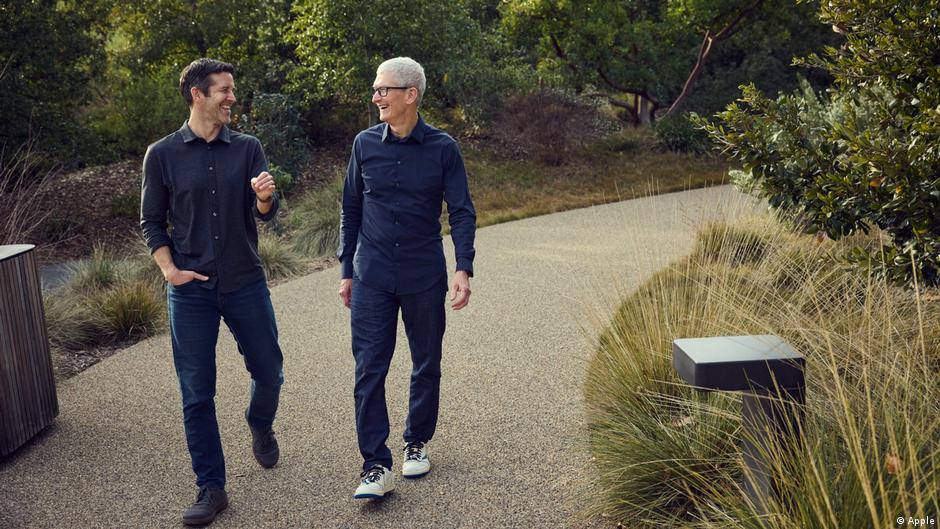
John Ternus becomes Apple's third CEO since 1997 on September 1, following Tim Cook's 15 years at the helm; he…
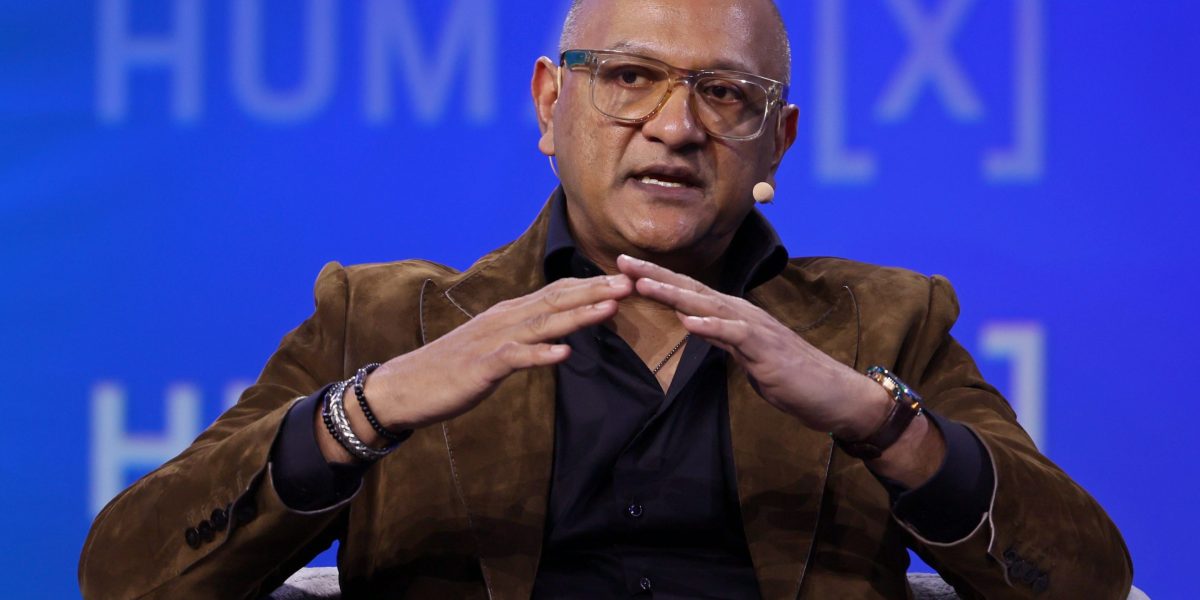
Jeetu Patel handed Padmanabhan Krishnamurthy—who joined via Cisco's EzDubs acquisition—unlimited tokens and fo…
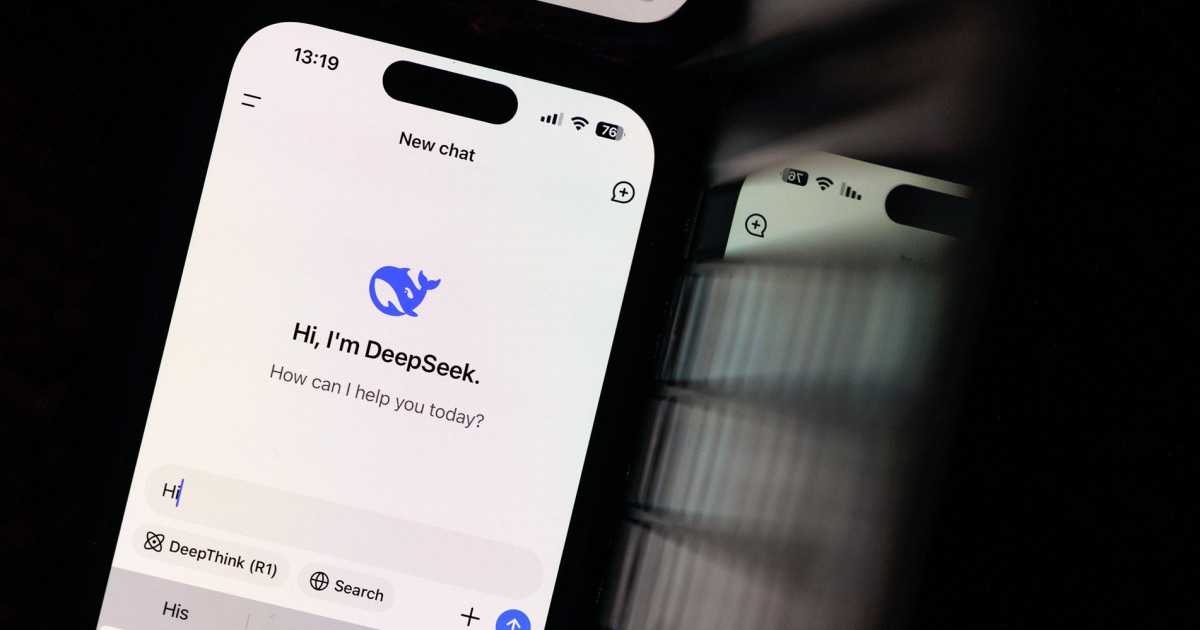
CrowdStrike says Chinese state-linked hackers used AI, including the DeepSeek model, to attack more than 200 o…
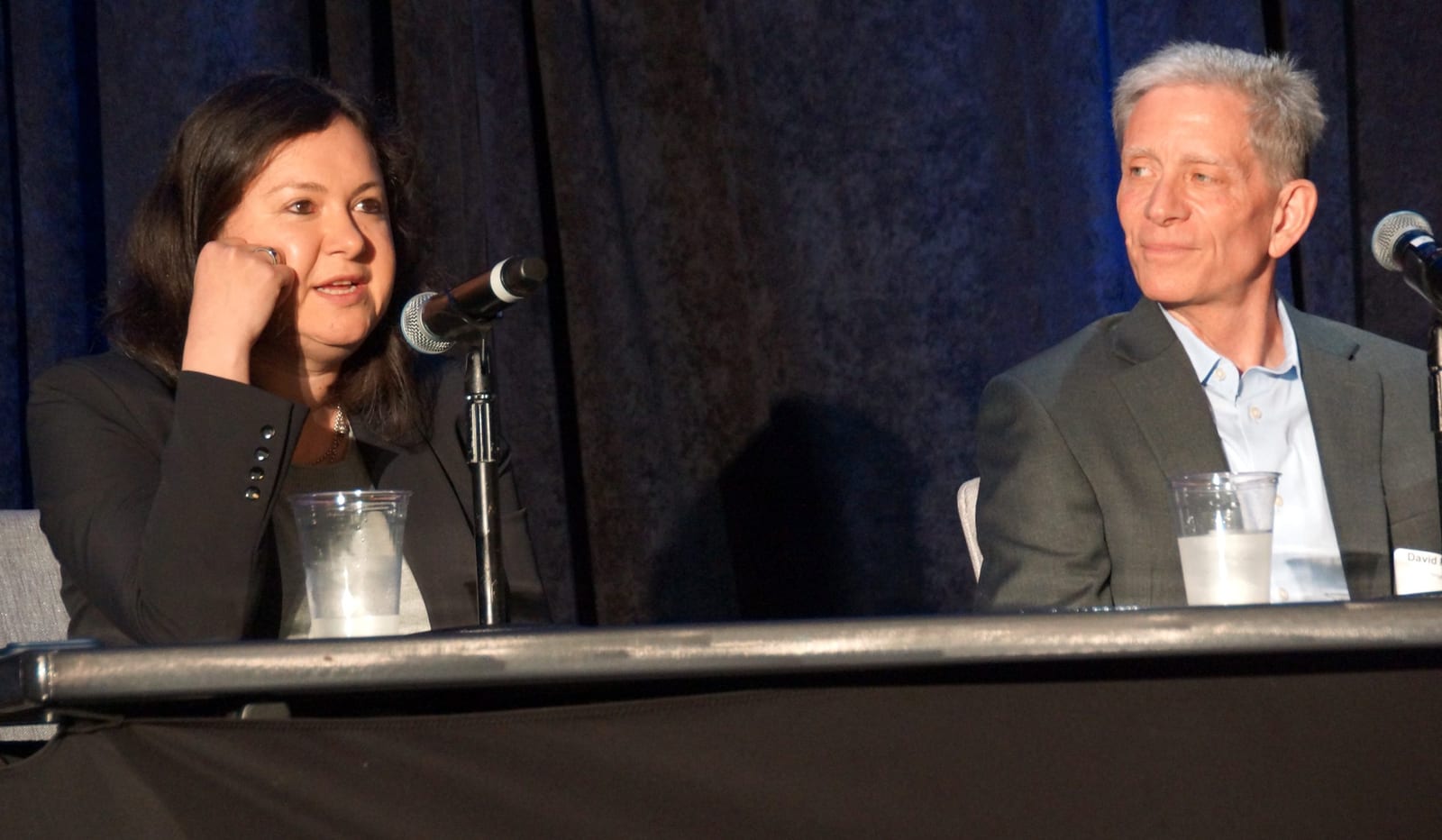
At AHCJ's fall summit, Amgen's David Reese said executives promising AI will cure 'all disease' typically have…
T-Mobile US has characterized physical AI as being in its 'very early innings.'