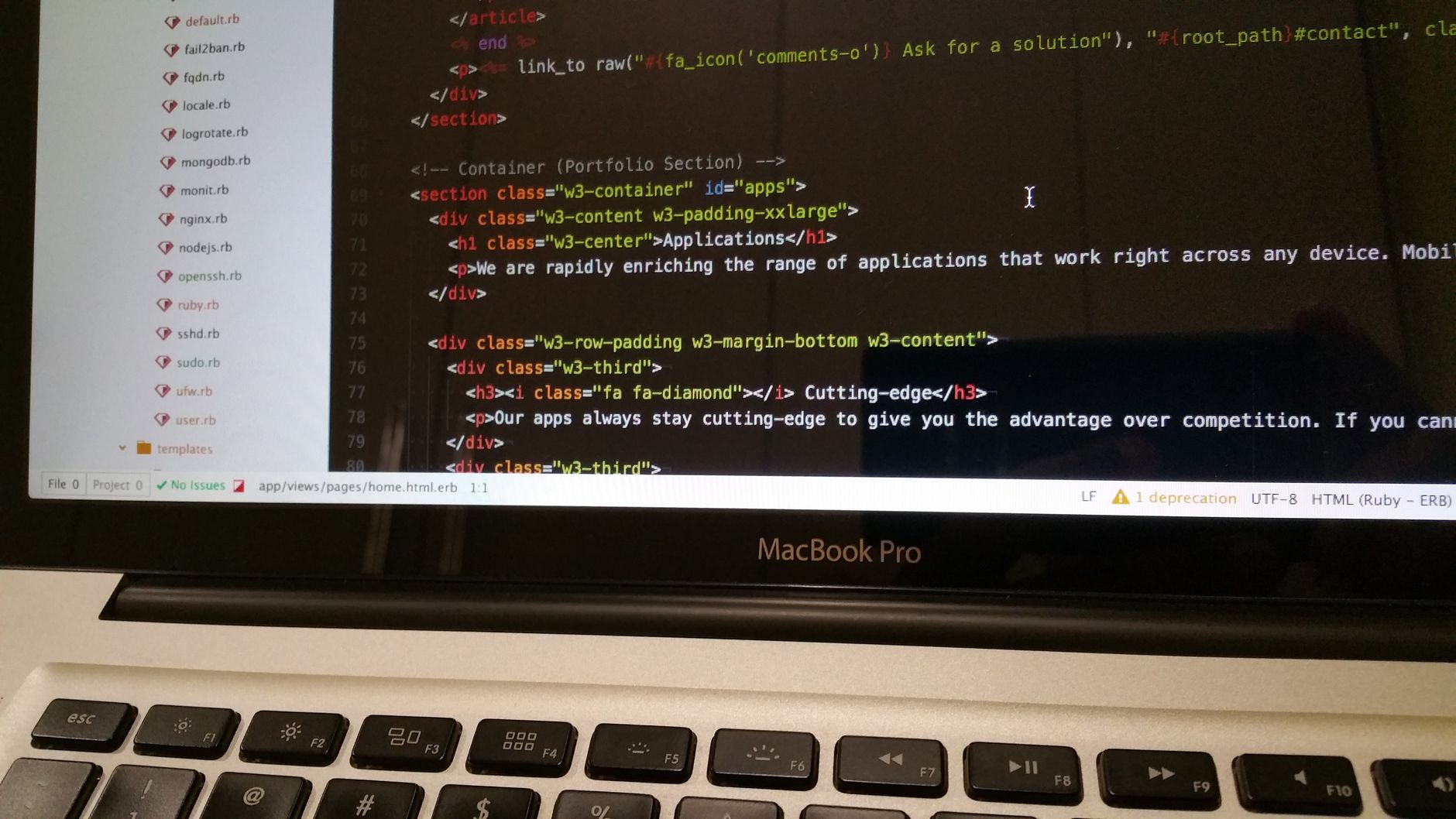
What happened
The developer switched only his own placed notes (user_note) to the inbox path; completion reports still travel the old paste route while a shadow copy records how they would have arrived.
Why it matters
The inbox is a file, so the body survives even if the one-line signal never reaches the tab — but routing and marking now ride on separate switches, a gap his own bug exposed.
Summaries like this, every morning.
The problem this record describes is not Claude Code itself but the delivery layer around it. Sending a request or a completion report by pasting it into another tab's input field is simple, yet on September 9, 2026 a 9.7KB order was reported sent even though the input field stayed empty — the send script said sent, the hub log held the body, and the API returned 200. The cause was a wait loop that broke silently when the PC's CPU was saturated. A follow-up on September 18 checked arrival by looking at the other tab's screen and later exited with code 8 when arrival could not be confirmed, but that only adds checking on top of the paste route.
The redesign borrows from Anthropic's "Building always-on agents" by William Hu (2026-11-13). The idea is that the inbox, not the agent, is written to first; the tab receives only a one-line notice such as "📬 n 件" and reads the body with a take command. Items live in state/inbox/<tab>.json, move to state/inbox_log.jsonl when processed, and duplicate keys within 24 hours return the earlier id.
The record is candid about the risks of this arrangement. A Stop hook that keeps a session going is capped at 5 items and 8,000 characters per run and 6 times per hour per session, and the hub errs toward letting work pass when it cannot connect or does not answer within 4 seconds. The bug he hit himself — a note placed at 08:46 delivered again 30 minutes later — came from tying the processed mark to the hook switch while the tab had only the signal switch on. That is why the take path and the mark path are now described as something that must always line up.
Pick your industry and the AI tools you use, and get news related to your work every day.
Free · 30 seconds with Google · unsubscribe anytimeWhat is AIToday? →
Ask AI anything about this article. The AI reads this article, earlier AIToday articles, and Wikipedia, and cites its sources. Q&As are published on this page for other readers too.
Innovation BASE Hokkaido updated AI:Promo's image editing with OpenAI's GPT-Image-2.6 Sunburst, announced Nove…

Softcreate's Yamaguchi published a four-phase guide for Microsoft 365 Copilot: prepare a daily-report prompt…

Google announced a new generation of intelligent eyewear co-developed with Gentle Monster, Warby Parker, and S…

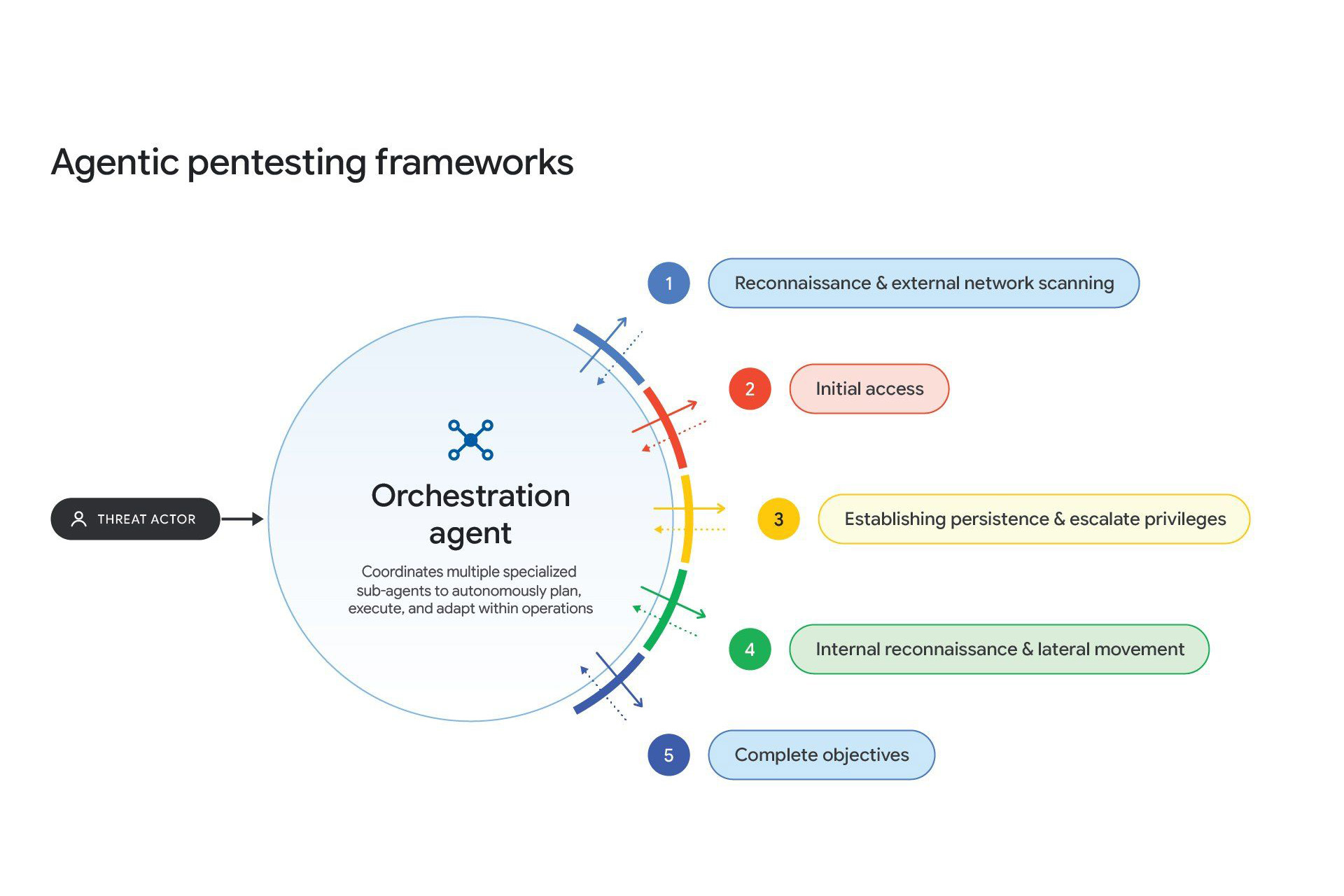
Google Cloud's Threat Intelligence group (GTIG) said an LLM framework called exploit_agent, paired with a Russ…
A Qiita article traces Softmax Attention → Linear → DeltaNet → Gated DeltaNet → KDA as a history of adding par…

A developer running Claude Code (Ultra, $220/month), Codex CLI (Pro, $100/month) and Devin's SWE-2 (Pro, $20/m…