What happened
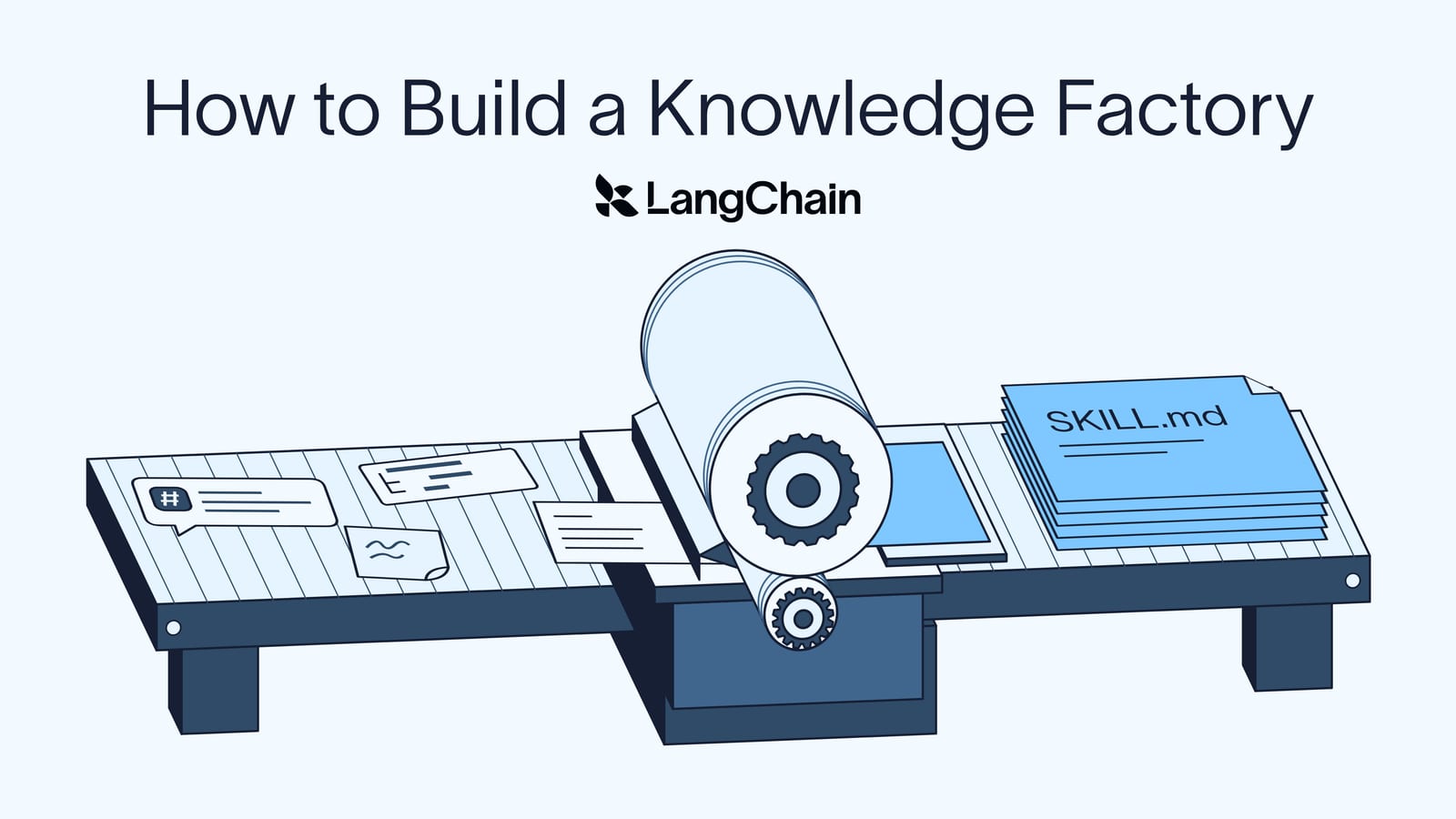
LangChain described a "knowledge factory" for AI agents: agents flag missing knowledge, a background curator agent updates it, and it is stored in formats like GitHub skills or LangSmith Context Hub.
Why it matters
The post argues agents fail on missing company knowledge, not weak models, so the maintenance loop may matter more than the storage format, which it says is the least important piece.
Summaries like this, every morning.
The post frames the problem less as model quality and more as missing institutional knowledge — the tacit understanding that the most efficient employees carry in their heads, about who to talk to and why things are done a certain way. It distinguishes this knowledge from context: context is what an agent has available when doing a task, while knowledge is the reusable understanding kept so the task is done correctly, such as what a metric means or which source to trust.
The structural argument borrows from the "software factory" idea, in which the best engineers build systems that let everyone else build software. LangChain applies the same logic to general knowledge work: presentations, launch videos and outbound tasks can be handed to agents, but only if the scattered knowledge behind them is collected and maintained. That is why the post says resources should go into the factory rather than into documenting everything up front; the stated goal is a loop where doing the work reveals what knowledge is missing and closing those gaps makes future work better.
The architecture is deliberately light on storage. For procedural memory the post says the industry has converged on skills, while for semantic memory it expects a different standard may emerge and says it is too early to be prescriptive. The heavier lift sits with the curator agent, which runs on a cadence with access to raw sources like Notion and Slack, to agent traces, and to the issues agents flag — in the worked example, it notices a renamed BigQuery column and a finance lead's formatting fixes, then updates the relevant skills.
Pick your industry and the AI tools you use, and get news related to your work every day.
Free · 30 seconds with Google · unsubscribe anytimeWhat is AIToday? →
Ask AI anything about this article. The AI reads this article, earlier AIToday articles, and Wikipedia, and cites its sources. Q&As are published on this page for other readers too.
Citi added a section to its online user agreement this month stating that any access or transactions by a thir…
Interpreter Sara Campos lost a longtime Berlin client to AI, which the company chose because it is cheaper and…
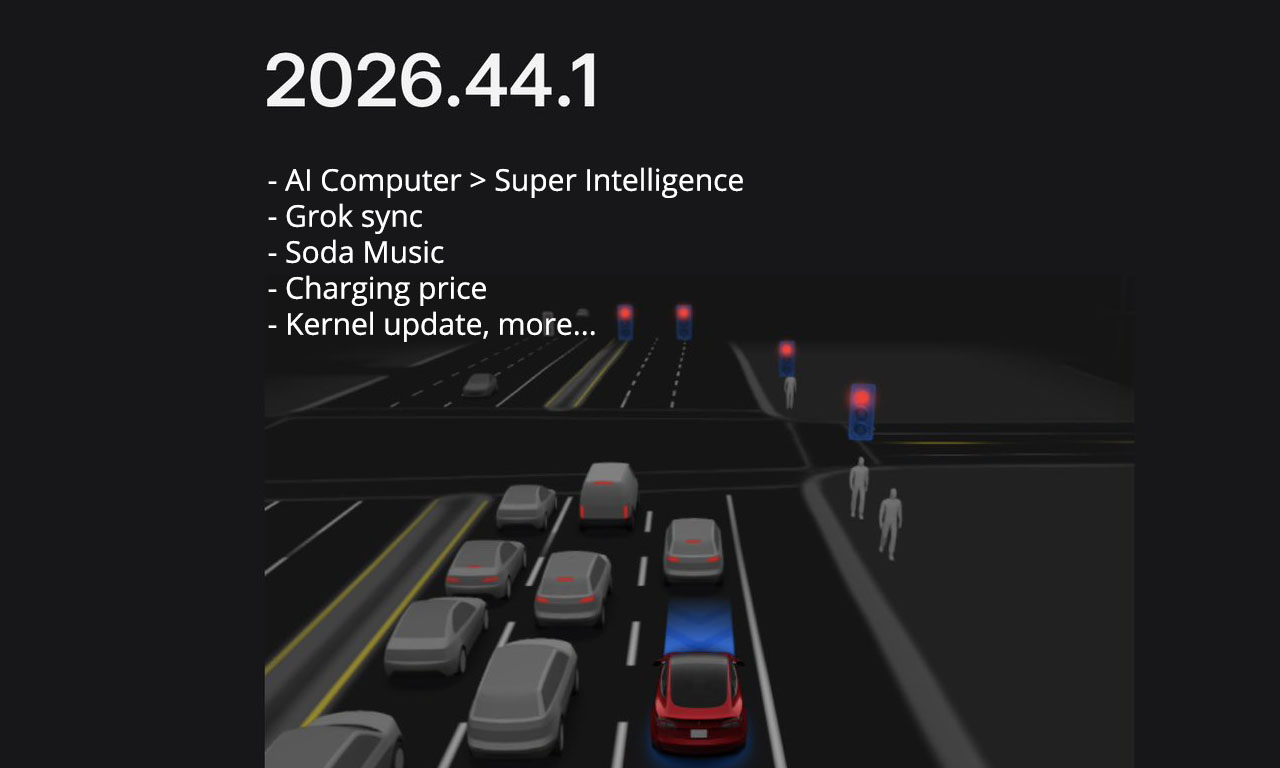
Tesla hacker green (@greentheonly) found that in firmware 2026.44.1, Tesla renamed the AI Computer (HW4/AI4) t…
Texas Instruments reported strong third-quarter results and expanded its Code Composer Studio ecosystem into a…
Mastercard published an explainer titled "Agentic tokenization explained: How tokenization builds trust in AI-…

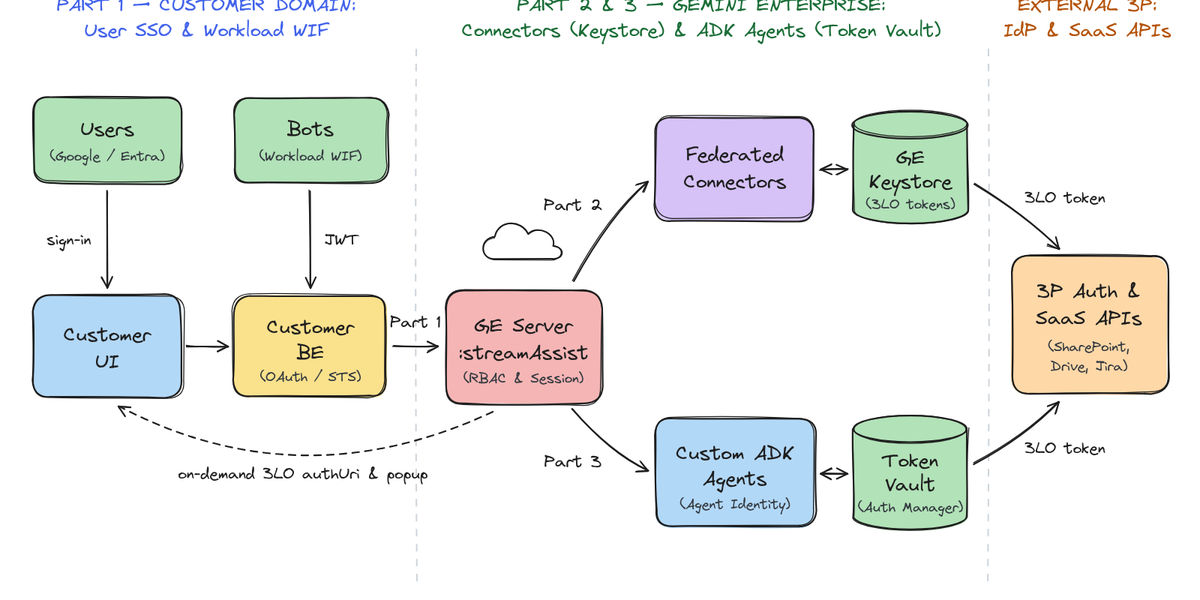
Google detailed three keyless authentication patterns for calling the StreamAssist API: Google Identity, Workf…