What happened
Eight Pulitzer awardees—five winners and three finalists—disclosed using AI tools this year, the highest number since mandatory disclosure began in 2024. News organizations used large language models mainly to search and summarize large document sets: the Wall Street Journal summarized thousands of documents on Texas floods; the Minnesota Star Tribune used ChatGPT to translate a diary in faux Cyrillic; the Associated Press searched tens of thousands of leaked documents on Chinese surveillance; and the New York Times used GPT-5 to check classification of SEC crypto cases.
Why it matters
Pulitzer administrator Marjorie Miller stated that the news industry now accepts "AI is here to stay" and understands where its use is appropriate—mainly for research and verification—while recognizing that AI should not be used in writing and editing stories submitted for prize consideration. This marks a shift toward clearer norms around AI in journalism.
What to watch
Disclosure rules will expand to cover book entries starting next year, potentially increasing the number of disclosures across prize categories.
Summaries like this, in your inbox every morning.
Mandatory AI disclosure in the Pulitzer Prizes, introduced in 2024, has created a window into how major newsrooms are integrating artificial intelligence into their workflows. This year's record eight disclosures signal not a rush to automate journalism itself, but a measured adoption of AI for the labor-intensive parts of reporting—particularly document research and verification. The Wall Street Journal's use of an internal LLM to process thousands of Texas flood documents, the AP's deployment to search leaked surveillance documents, and the New York Times' use of GPT-5 for classification spot-checking all reflect a pattern: AI as a force multiplier for researchers sifting through overwhelming volumes of material, not as a replacement for human judgment in storytelling. Marjorie Miller's comment that the industry "better understands where its use is appropriate" suggests that newsrooms have moved past early anxiety and are developing clearer protocols. The boundary she drew—AI acceptable for search and verification, not for writing and editing—codifies a professional consensus emerging across the industry: machines can assist in finding and checking facts, but the narrative and editorial voice remain human work. The planned expansion to book entries next year indicates that disclosure will become routine across Pulitzer categories, normalizing transparency around AI without, so far, transforming the core work of prize-worthy journalism.
Pick your industry and the AI tools you use, and get news related to your work every day.
Free · 30 seconds with Google · unsubscribe anytimeWhat is AIToday? →
Ask AI anything about this article. The AI reads this article, earlier AIToday articles, and Wikipedia, and cites its sources. Q&As are published on this page for other readers too.
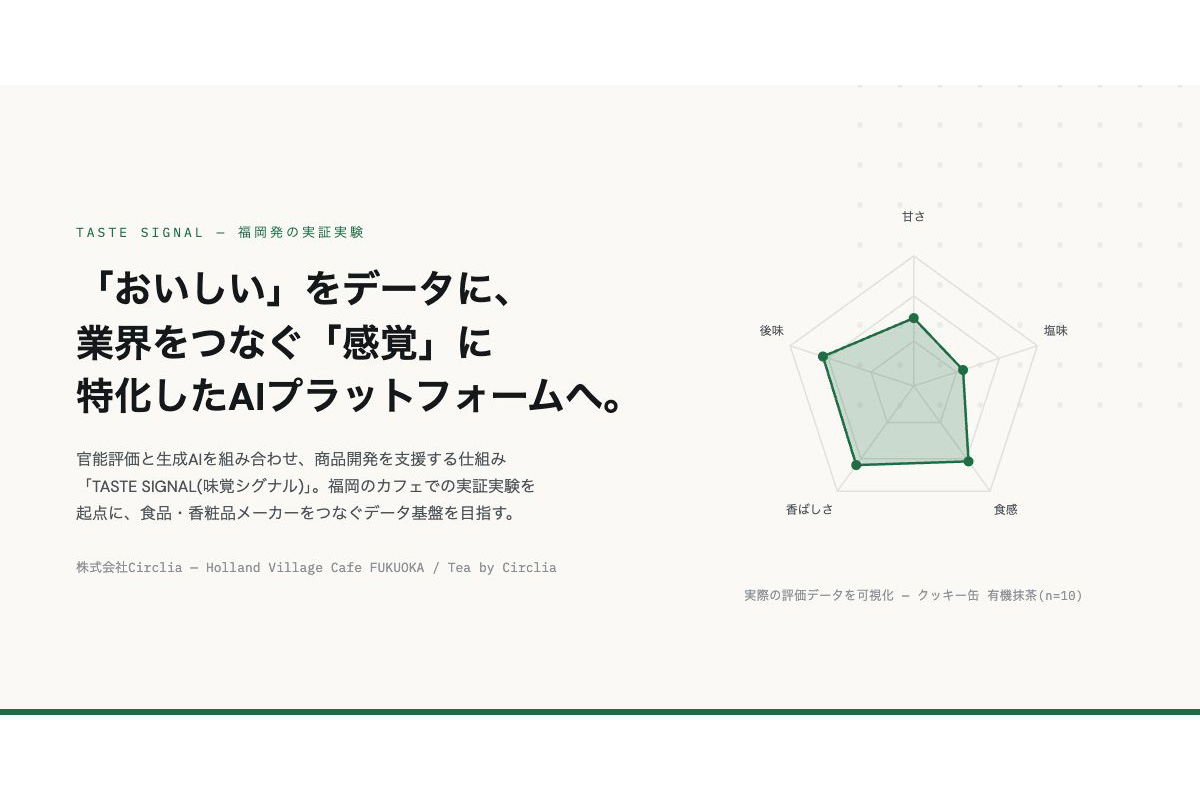
Circlia started a proof-of-concept for TASTE SIGNAL: visitors to Holland Village Cafe FUKUOKA taste cookies an…
In a webinar hosted by French Mathematical Society president Isabelle Gallagher, Fields Medal winner Hugo Dumi…

NVIDIA released Nemotron 3.5 Super VL, an open-weight model with 120 billion parameters that handles text, ima…

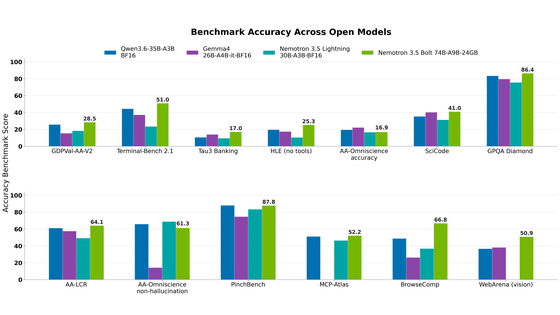
NVIDIA released Nemotron 3.5 Bolt 74B-A9B 24GB, an AI model for local agents that hits over 80 tokens per seco…
NVIDIA published a blog post titled "AI Security Is an Engineering Problem - How to Solve It at Every Layer of…

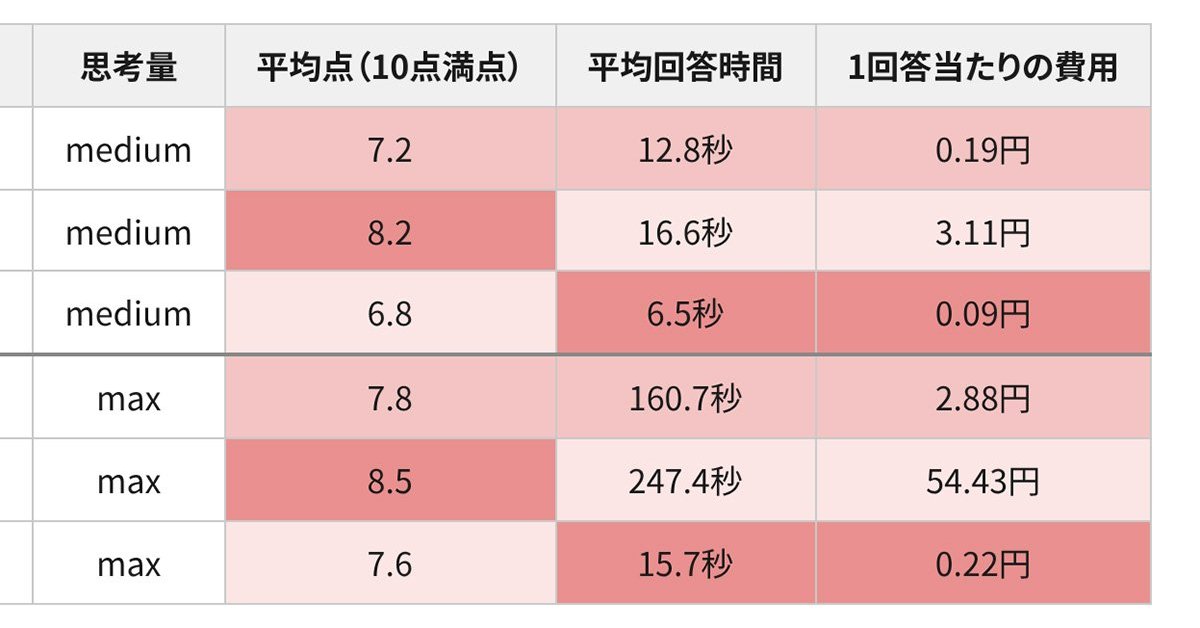
In the test, Haiku 5.5 on medium setting averaged scores close to Sonnet 5.5 on routine documents at about 1/1…