What happened
DeepMind's 2022 study found that at equal compute, balancing model size and data beats pure bigness: a 70 billion parameter Chinchilla trained on 1.3 trillion tokens outperformed the 280 billion parameter Gopher, which read about 300 billion tokens.
Why it matters
The result challenged the long-held scaling rule that predicted gains simply from making models larger, suggesting the bigger model is not automatically the better one when compute is held equal.
What to watch
The body notes the roughly 20-times-tokens-to-parameters guideline is only a cost-minimizing benchmark, not a formula for the strongest model, and Meta reported Llama 3 kept improving past it, so what real builders do may diverge from it.
WHO IT HITSAI research teams planning training runs — deciding how to split a compute budget between model size and data — now have evidence that the data side can matter more than raw parameter count, which may shift how they scope large training projects.
Summaries like this, in your inbox every morning.
The article frames this result as a correction to a long-standing assumption. For years, the working rule known as the scaling law held that adding model size, data, and compute reliably improved performance. The 2022 DeepMind study tested that assumption directly by holding compute constant and varying how it was spent.
The outcome — a 70 billion parameter model beating a 280 billion parameter one — suggested the field had been over-investing in size relative to data. The article places this alongside other shifts in how modern AI systems are built, from human feedback and automated grading to efficiency techniques and system design, as part of a broader move away from a single scaling lever.
What the result ultimately means for builders hinges on how far the balance principle generalizes. The article notes the widely cited 20-times-tokens-to-parameters ratio is a cost-minimizing guideline rather than a recipe for the strongest model, and that Meta reported continued gains with far more data. It is likely the field will keep testing where the balance point sits.
Pick your industry and the AI tools you use, and get news related to your work every day.
Free · 30 seconds with Google · unsubscribe anytimeWhat is AIToday? →
Ask AI anything about this article. The AI reads this article, earlier AIToday articles, and Wikipedia, and cites its sources. Q&As are published on this page for other readers too.
KDDI's ELYZA said on October 2 it set up "ELYZA RSI Research" to study recursive self-improvement, and CEO Yuy…
On a recent episode of The AI Investor Podcast, Eric Bleeker and Austin Smith broke down Google's release of G…

Meta has begun offering parental controls in Meta AI, so parents can review the topics their teens asked about…

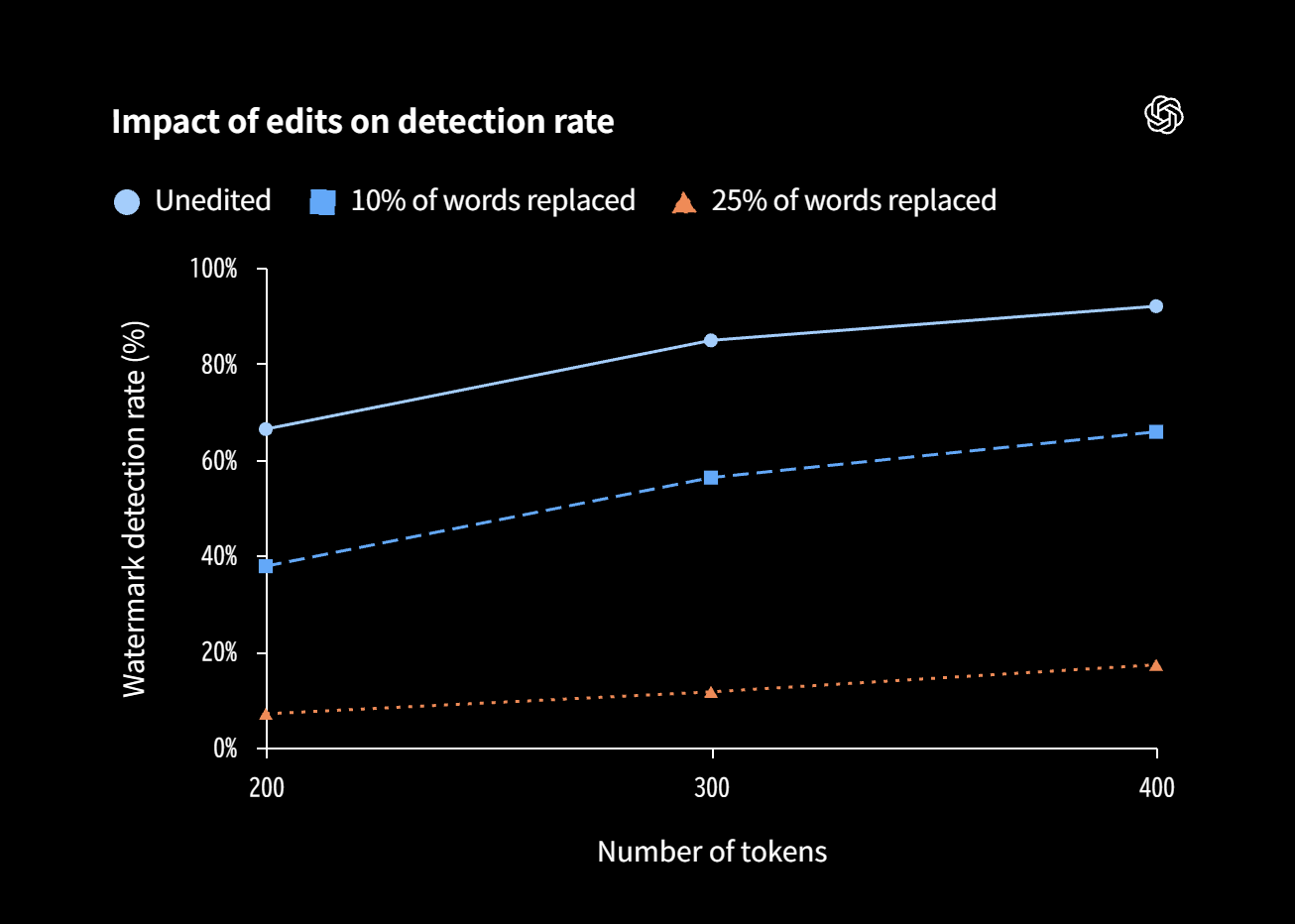
OpenAI is adding the textGrain watermark to text from ChatGPT and Codex, applying it to EU outputs over the co…
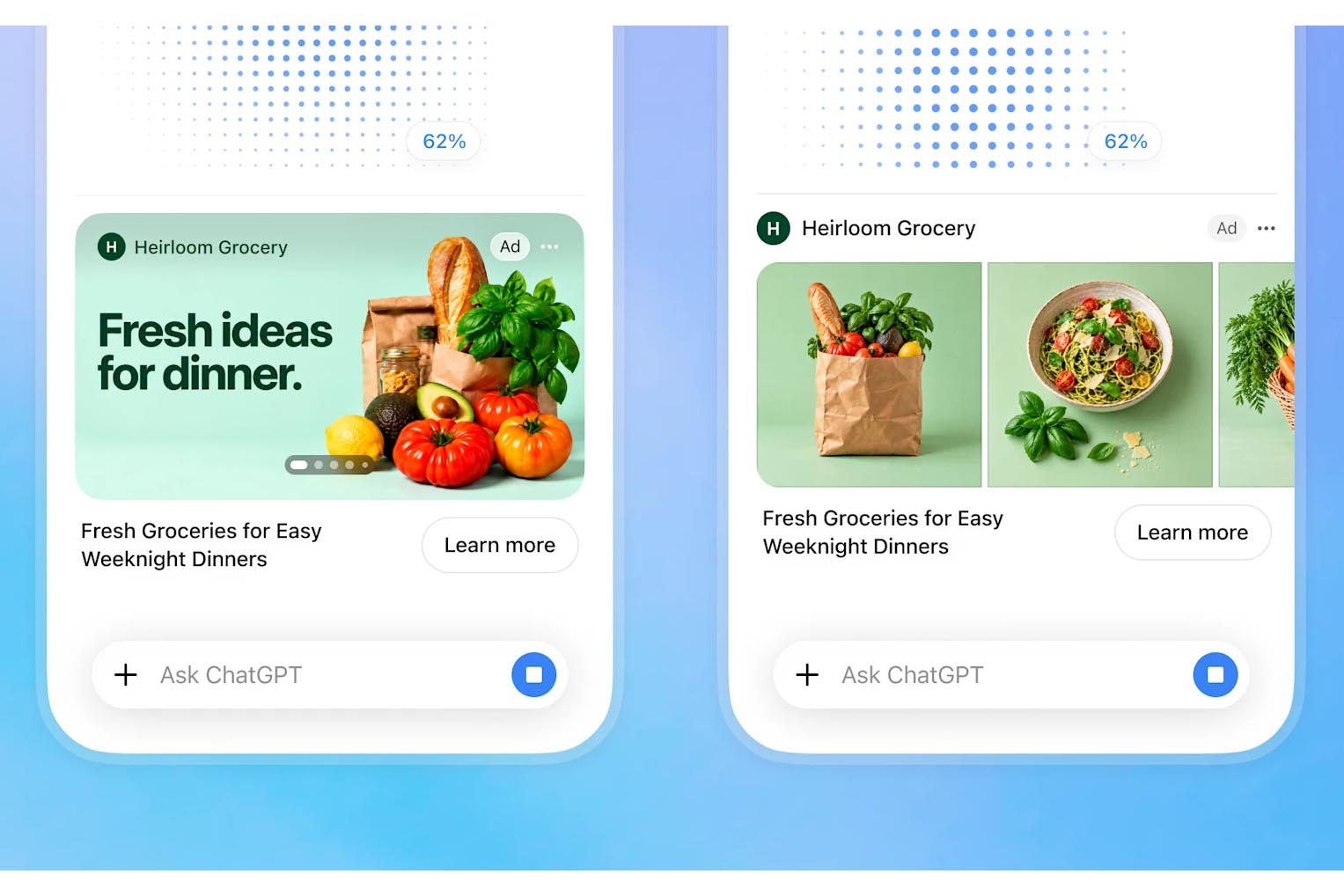
OpenAI is rolling out a new visual ad format shown while ChatGPT generates images, and will test it with selec…
The Technology Innovation Institute released Falcon-Emirati-7B, a 7B-parameter model built on Falcon-H1-Arabic…