What happened
Meta, Walmart, Stripe and others are publishing a 'personal agent protocol,' an open standard for how AI agents interact with businesses. Sierra co-founder Bret Taylor is leading it and says it is 'kind of chaos until such a standard exists.'
Why it matters
The standard aims to let businesses tell a personal agent apart from a person and see what the agent does on their site, giving companies visibility and control before granting access.
What to watch
Taylor said he expects OpenAI and Anthropic to participate and would be 'really disappointed' if competitors do not use it, so whether they join will test the standard's reach.
WHO IT HITSThe standard lands on businesses that let customers book, buy or sign up through AI agents, and on the developers building those agents. It would give their security and product teams a shared way to verify a bot's identity and activity, rather than each firm inventing its own rules.
Summaries like this, in your inbox every morning.
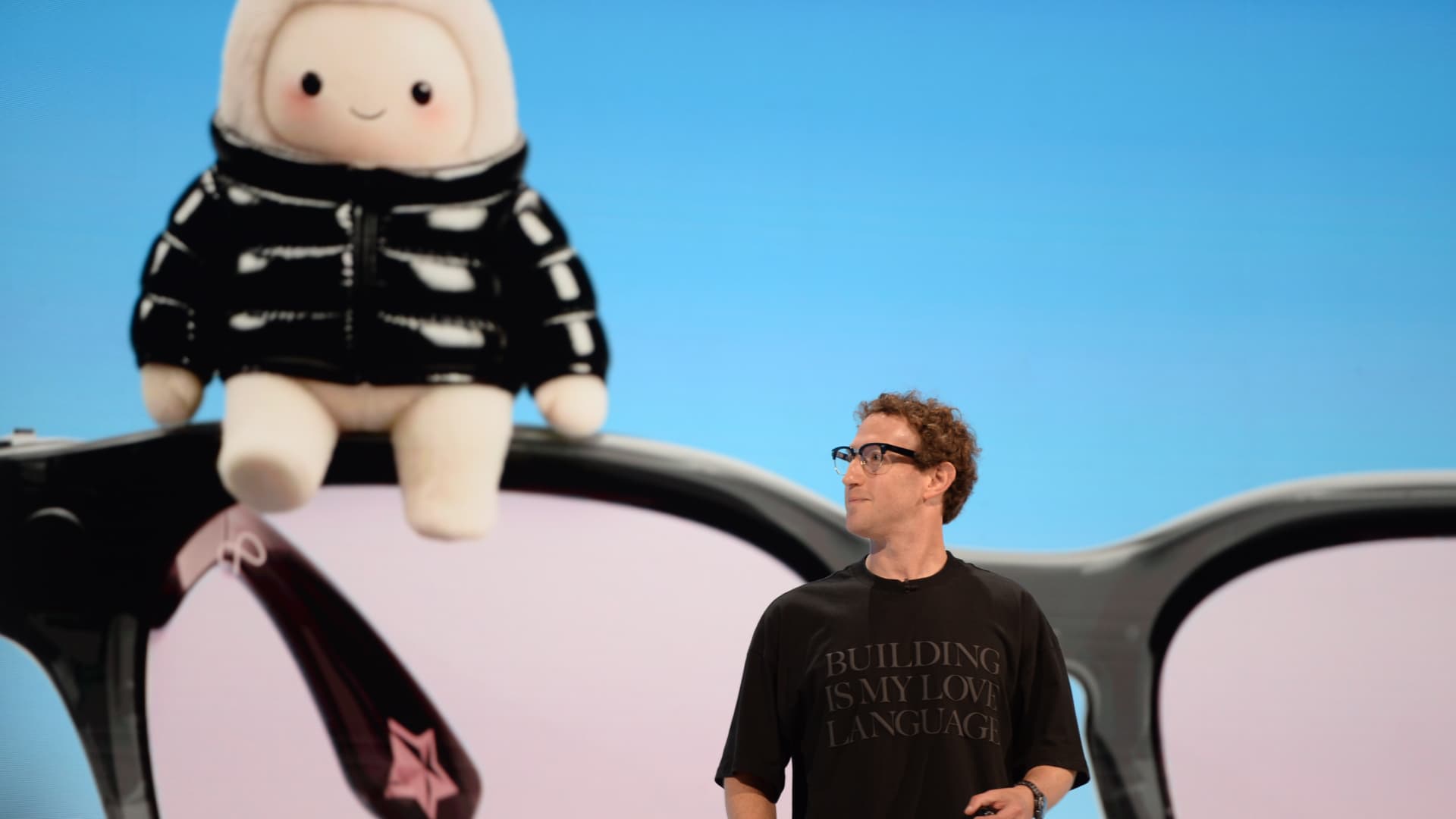
The push comes a month after Meta launched Muse, its personal agent, which turned into a viral sensation and is now the most popular version of such agents since hitting the market in early September. Muse soared to the top of Apple's App Store and remains there, ahead of ChatGPT. Not every company has welcomed that wave: Amazon has blocked Meta's agents over worries about website scraping, and it also blocked Perplexity's AI agent and sued the startup in November, alleging it concealed its agents to keep scraping Amazon's site without approval. Perplexity called the lawsuit a 'bully tactic.'
The protocol's backers frame it as plumbing rather than a product. Taylor compared it with logging into websites using Google or Facebook credentials, work he did as tech chief at Facebook, and said it will help with authentication and give visibility into what agents do on sites. Meta's David Singleton, a former Stripe technology chief, said customers need to share credit card and personal information for agents to work well, and the standard adds a level of visibility and control. He compared it to email, calling it rails that personal agents and business agents can run over.
Whether the standard takes hold may hinge on adoption by the AI companies that are not yet on board. Singleton said Muse already has millions of users in the U.S. and is growing rapidly, with people using it to sign kids up for classes, buy gifts and schedule dentist appointments. If OpenAI and Anthropic join, the protocol could become the common ground businesses use to judge which agents to let in; if they stay out, companies may face competing rules instead.
Pick your industry and the AI tools you use, and get news related to your work every day.
Free · 30 seconds with Google · unsubscribe anytimeWhat is AIToday? →
Ask AI anything about this article. The AI reads this article, earlier AIToday articles, and Wikipedia, and cites its sources. Q&As are published on this page for other readers too.
Hewlett Packard Enterprise stock is down 5% at $55.87

The Motley Fool argues Amazon is the AI company of the two, since AWS was just 21% of first-half 2026 revenue…

Google Deepmind's Gemini 4 Argon scored 97.5 percent on ARC-AGI-3 at a cost of $4,800, second only to GPT-6 As…

Cammarata reinterprets InceptionV1's cat-car neuron as a V-shape detector, not two unrelated concepts

Microsoft's Surface Laptop Ultra, using Nvidia's RTX Spark platform, starts at $2,599 (up to $5,899)

Meta's new commercial terms, effective October 30th, appear to let it crawl and train AI on content from websi…


