What happened
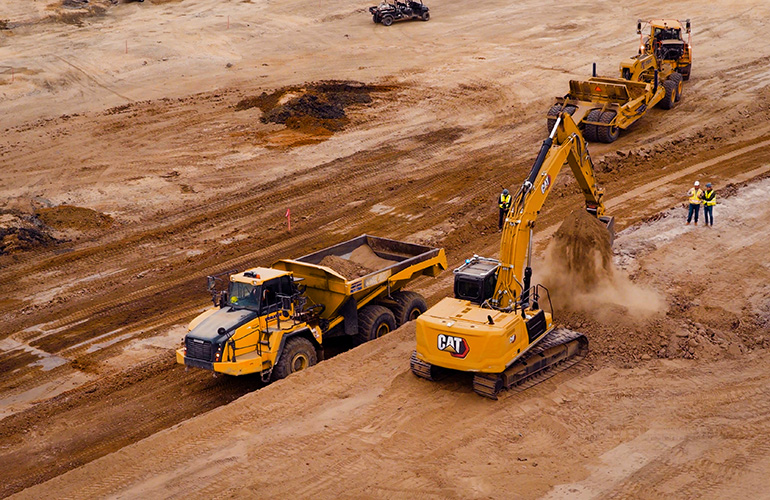
Bedrock Robotics Inc. has deployed fully autonomous, retrofitted heavy excavators onto active infrastructure projects in Texas and Nevada. The first projects include a water treatment facility with Sundt Construction in Nevada, a multi-million cubic yard earthwork site with Champion Site Prep in Texas, and a 1.2 million cubic yard civil sitework project with Zachry Construction Corp.
Why it matters
The construction industry faces a labor crisis, with over 40% of the workforce expected to retire within five years. Large projects already run an average of 20% over schedule and 80% over budget. Construction workers make up 7.5% of the workforce but account for 20% of workplace deaths. Bedrock's technology addresses these issues by turning earthwork into software-driven operations.
What to watch
Bedrock is currently deploying new equipment outfitted at its headquarters, but expects to run on partner equipment by the end of the year. The company is also working toward orchestrating multiple machines—like excavators, bulldozers, trucks, and graders—that work together as a team, with clusters coming soon.
Summaries like this, in your inbox every morning.
Bedrock Robotics' deployments come at a critical time for the U.S. construction industry. With over 40% of the workforce expected to retire within five years and projects already running an average of 20% over schedule and 80% over budget, the sector is under immense pressure. The company's focus on excavators—which are often 25% of a contractor's fleet and take five years or more to master—highlights the strategic value of autonomy in addressing skilled labor shortages.
The company's approach is to retrofit new equipment with a sensor and compute suite, trained on tens of thousands of hours of field data. This allows the system to perceive, plan, and execute tasks autonomously. The emphasis on safety, with machines operating around people and reacting to unexpected events, is central to their deployment strategy.
Looking ahead, Bedrock plans to scale deployments, expand into more tasks, and eventually orchestrate fleets of machines working together. The company's vision, as stated by CEO Boris Sofman, is to move from individual autonomous machines to coordinated fleets that self-orchestrate entire scopes of work, potentially redefining project scale and productivity.
Pick your industry and the AI tools you use, and get news related to your work every day.
Free · 30 seconds with Google · unsubscribe anytimeWhat is AIToday? →
Ask AI anything about this article. The AI reads this article, earlier AIToday articles, and Wikipedia, and cites its sources. Q&As are published on this page for other readers too.
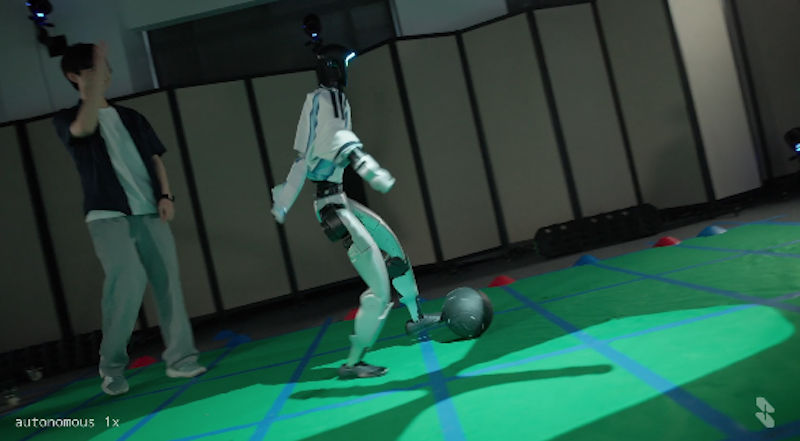
Skild AI used Nvidia Isaac Sim to give its S1 model one objective — score a goal — and let it compete against…
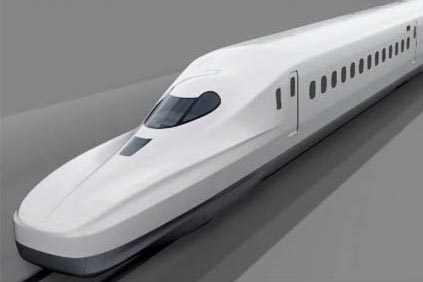
JR Central announced the S0系 on October 16, its first full model change since the N700S, with commercial servi…
Yamazaki Mazak and ABEJA said on the 16th they will start joint development of physical AI, using ABEJA's ABEJ…
The Air Force upgraded the X-62 VISTA with advanced radar, expanded sensors and computing, and modern network…

Toyota Motor's Japan Mobility Show Bizweek 2026 booth centers on its AI basketball robot CUE7, has no other ex…
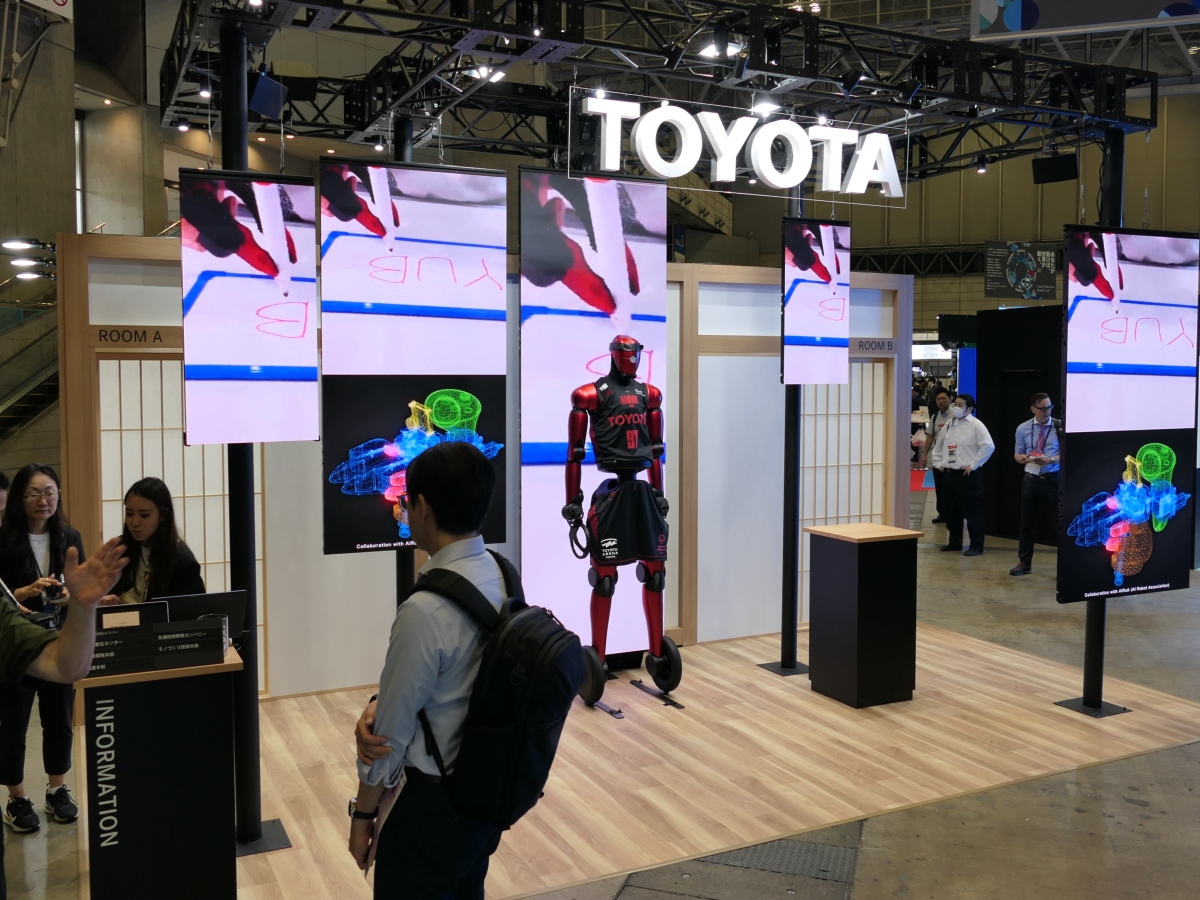
Japan Mobility Show Bizweek 2026 showcased Physical AI applications, including Toyota's basketball-playing rob…