What happened
Sam Nickless, CEO of Australia's Gilbert + Tobin, says the firm introduced ChatGPT Enterprise, ChatGPT Work and Codex to move from individual assistance to multistep agentic workflows, and reports 87% active usage among enabled ChatGPT users—more than twice the rate it typically sees for other tools.
Why it matters
Nickless says the value so far has not been reducing cost or needing fewer people, but freeing lawyers to focus on client meetings, coaching and mentoring—suggesting adoption is being steered by leadership example rather than mandated usage targets.
WHO IT HITSLaw firm partners and legal operations leaders weighing AI rollouts will note that Gilbert + Tobin attributes its adoption rate to leaders using the tools themselves and to governance rules—such as banning client data in early experiments—rather than to usage mandates.
Summaries like this, every morning.
Gilbert + Tobin's account describes a deliberate sequence rather than a single rollout. The firm began by letting staff experiment with ChatGPT under a clear prohibition on entering client data or confidential information, which created a constrained space to learn. It then introduced ChatGPT Enterprise with Australian data residency, contractual protections, role-based access and administrative controls—conditions the firm says gave it confidence to scale while meeting its own and its clients' requirements.
The move to ChatGPT Work and Codex marked a shift from individual assistance to defined, multistep agentic workflows, with people retaining responsibility for review and approval. Nickless frames governance as enabling responsible use: the firm's message was that AI is not cheating but another tool for applying judgement, and users still define the task, check the output and take responsibility for the final work.
On culture, Nickless points to leadership behaviour rather than mandates. He says leaders must use the technology themselves, and that seeing AI matter to leadership sets the tone. The firm demonstrated workflows tailored to different functions and surfaced ideas through videos, showcases, challenges and an early AI bounty. Nickless also describes using a custom GPT built from his own writing and feedback as a 'digital twin,' which became more valuable when shared with his direct reports, and using ChatGPT Work for a confidential annual review process involving 120 partners—work he says was completed in minutes at a cost of about $62.
Pick your industry and the AI tools you use, and get news related to your work every day.
Free · 30 seconds with Google · unsubscribe anytimeWhat is AIToday? →
Ask AI anything about this article. The AI reads this article, earlier AIToday articles, and Wikipedia, and cites its sources. Q&As are published on this page for other readers too.
Anthropic began the roadshow for its IPO, offering 825 million shares at $70 to $78 each — up to $64.35 billio…

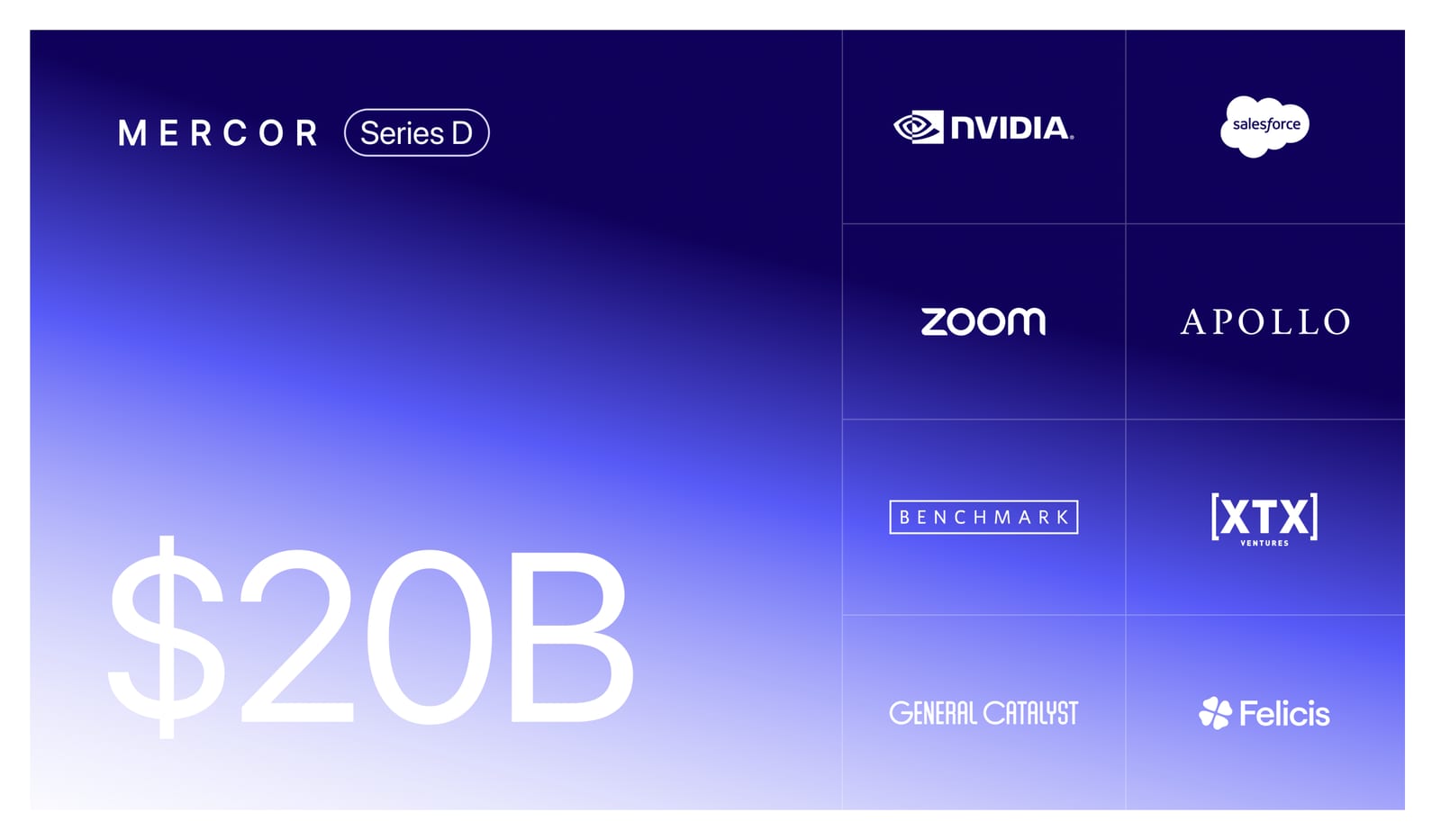
Mercor.io Corp. raised $750 million at a $20 billion valuation, with corporate money from Nvidia, Salesforce a…
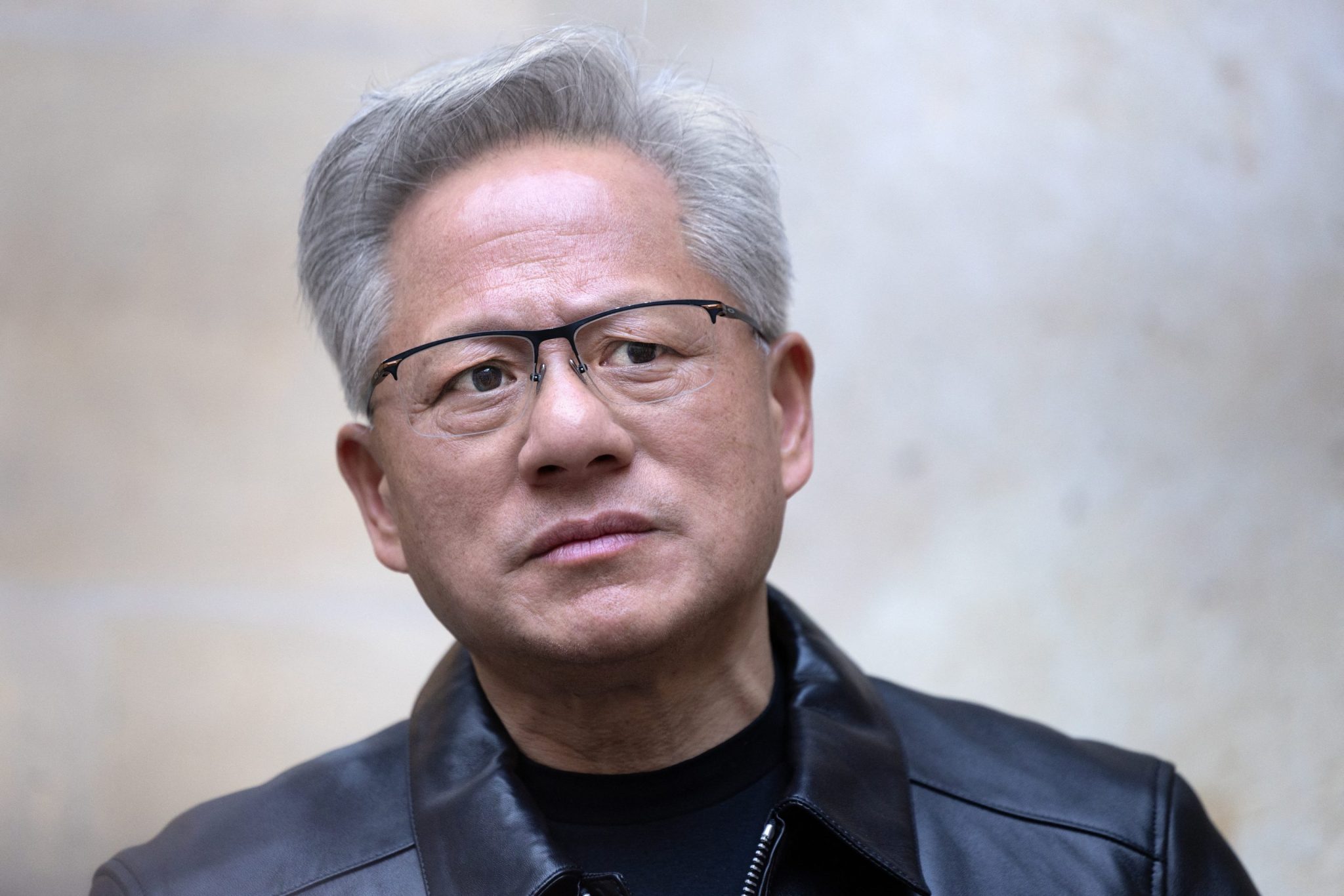
Nvidia's board has opened an independent investigation, House Republicans called Huang to testify next week, a…
A blog post by Coship published on October 11, 2026, groups AI models into four tiers based on difficulty of r…

The author traces his failure to a model that degraded quietly after an upstream table definition changed, and…

OpenAI acquired Odessia, an AI travel agent founded by Francis Davidson