
What happened
The author traces his failure to a model that degraded quietly after an upstream table definition changed, and now recommends reading lifecycle books before algorithm books.
Why it matters
He argues the first book, Andriy Burkov's 'Machine Learning 100+ Pages Essence', builds the vocabulary needed to understand the cautions in the operations books that follow.
Summaries like this, every morning.
The piece is built around a specific failure rather than a syllabus. The author's model passed validation and review, then drifted for three months after an upstream table definition changed; worse, the retraining procedure existed only in his head, so handover by word of mouth failed.
That experience explains the ordering he now insists on. 'Machine Learning 100+ Pages Essence' is positioned as a map rather than a dictionary — it does not go deep into implementation, but without it the warnings in the operations book lose their weight. 'Machine Learning Engineering', by the same author, barely discusses algorithms at all; it walks the lifecycle from estimation and labeling through feature design, deployment and post-serving monitoring, and its chapter on data leakage and distribution shift is the one the author says matched his own failure.
The last two books move from judgment to execution. 'Deep Learning Practical Guide' is written by practitioners who shipped AI features at Microsoft, NVIDIA and Square, and its inference-tuning material — quantization, batch size, input pipeline bottlenecks — is the part the author says paid off immediately on latency-sensitive work. 'Building Machine Learning Pipelines' closes the loop with data validation and automated orchestration, the piece of the stack that, once in place, largely ended his unexplained accuracy drops.
Pick your industry and the AI tools you use, and get news related to your work every day.
Free · 30 seconds with Google · unsubscribe anytimeWhat is AIToday? →
Ask AI anything about this article. The AI reads this article, earlier AIToday articles, and Wikipedia, and cites its sources. Q&As are published on this page for other readers too.
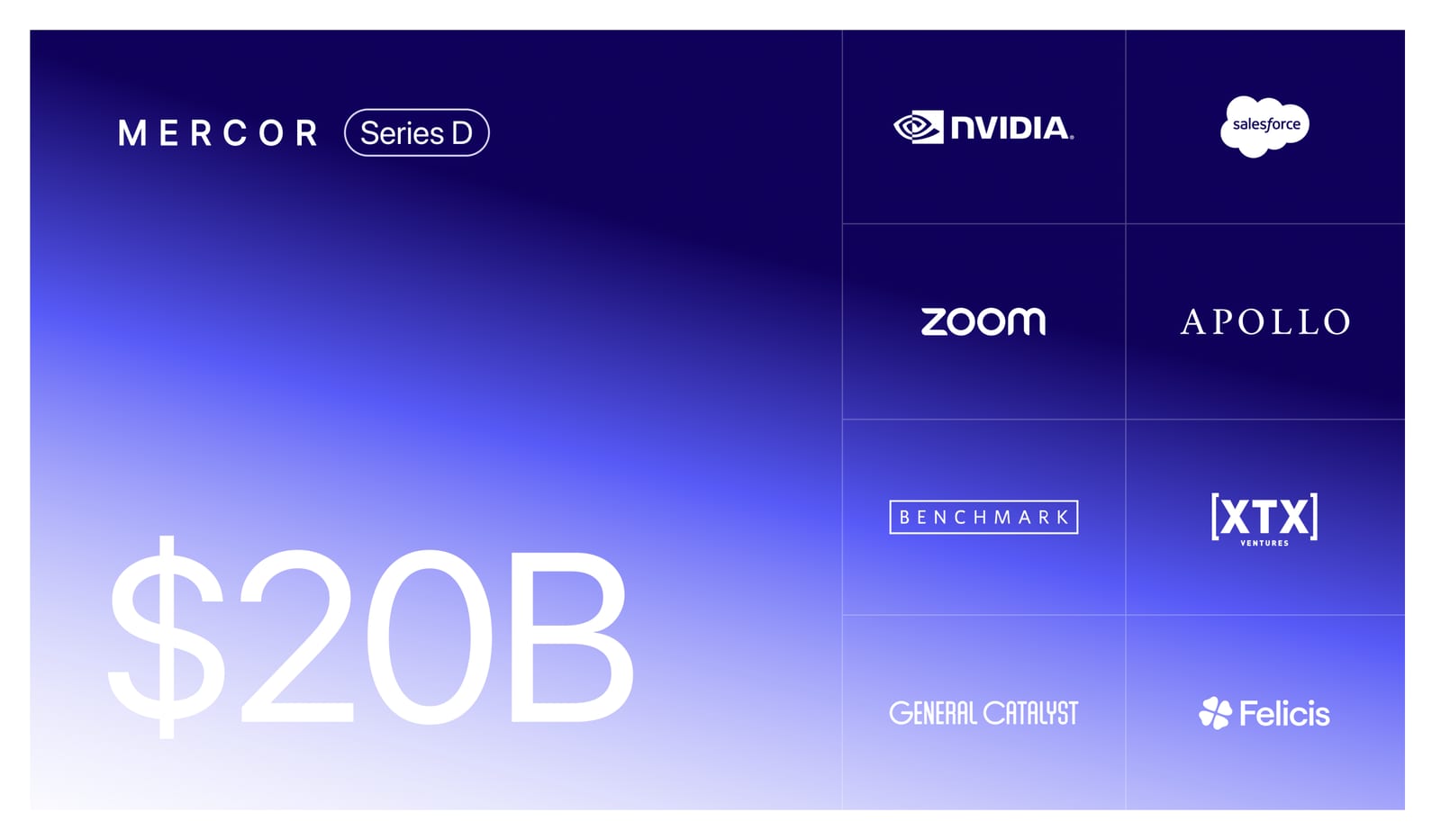
Mercor.io Corp. raised $750 million at a $20 billion valuation, with corporate money from Nvidia, Salesforce a…
A blog post by Coship published on October 11, 2026, groups AI models into four tiers based on difficulty of r…

OpenAI acquired Odessia, an AI travel agent founded by Francis Davidson
Sam Nickless, CEO of Australia's Gilbert + Tobin, says the firm introduced ChatGPT Enterprise, ChatGPT Work an…

Schools are requesting that Google provide a choice to remove AI Overviews from search results, framing it as…

Andre Mansour, head of AI for Wells Fargo's wealth and investment management arm, said AI Teammate launched la…