What happened
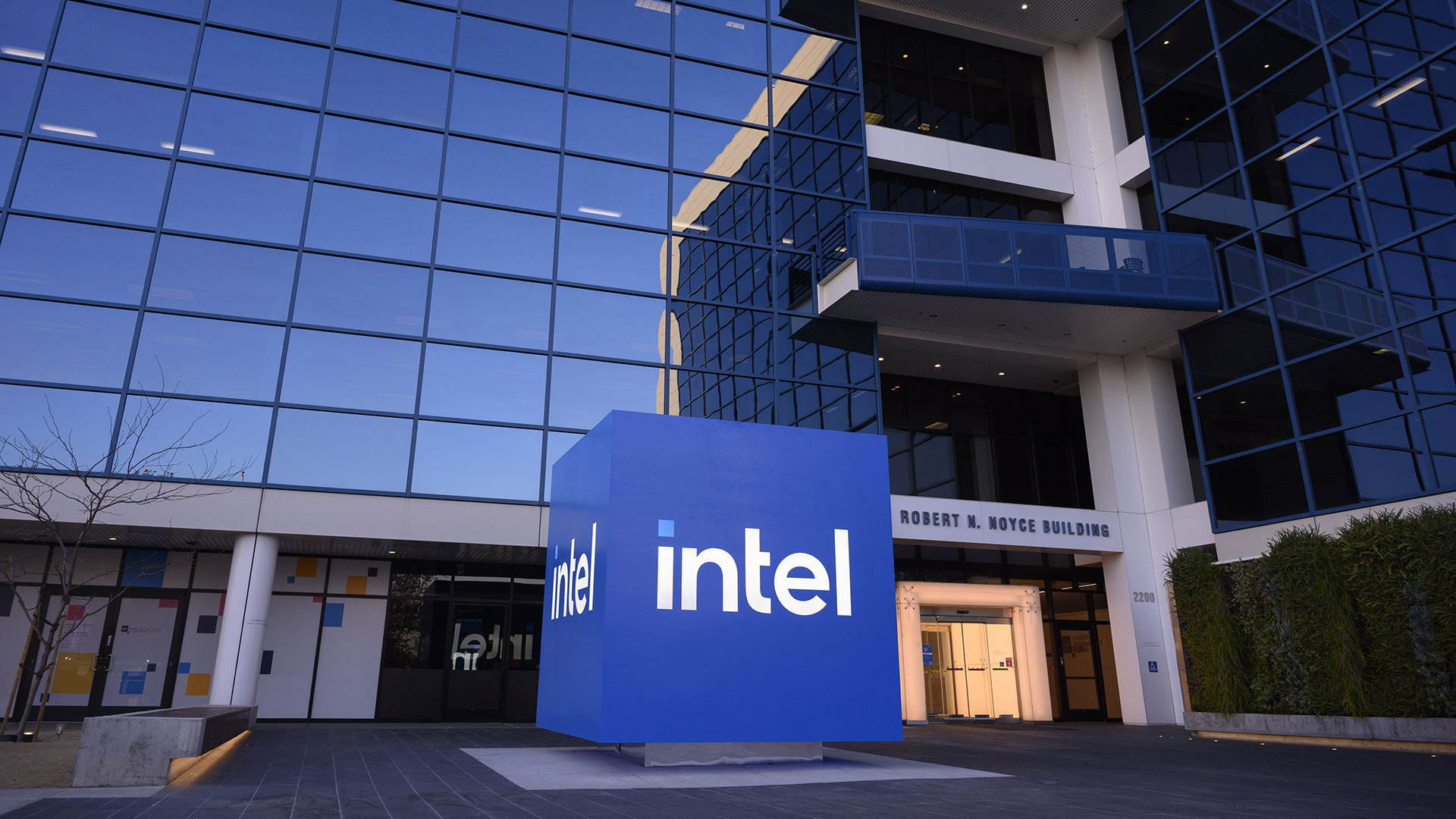
Intel CEO Lip-Bu Tan and Broadcom CEO Hock Tan said at a Singapore financial conference that access to capital may be the sector's biggest constraint, with Hock Tan predicting the chip shortage eases by 2028 or 2029 but imbalance persisting into 2030.
Why it matters
Hock Tan also said AI labs need more customers who can realize a return on their inference spending, warning that many investors set "very extreme expectations" and likening the market to a casino.
Summaries like this, in your inbox every morning.
The two CEOs spoke at a financial conference in Singapore, and both pointed to the same obstacle: capital. Hock Tan called access to capital "might be the biggest constraint" facing the sector, while Lip-Bu Tan said, "if there's any challenge in the front, it's capital and the cost of capital, and then the other part is in the longer run, people want to see the ROI." Their remarks came as demand for some data center chips is exceeding supply.
Hock Tan also addressed the cost of training large language models, focusing on OpenAI, which Broadcom helped design its first custom inference chip for earlier this year. He noted that a sizable portion of AI labs' enterprise revenue comes from pilot projects, comparing them to a child at a video arcade who spends $10 of tokens in 10 minutes and learns nothing. He added that AI labs should acquire more customers who can realize a return on their inference spending. On AI stocks, he said many investors "set very extreme expectations only to find out that it's almost like they are in a casino."
For context on margins, the Financial Times reported last month that Anthropic's gross margins exceed 80% when excluding model training costs and revenue shared with go-to-market partners, and that the company is reportedly on track for a positive adjusted operating income for the second quarter in a row. Lip-Bu Tan also noted that open-source language models from Chinese labs are proving "good enough" for many budget-conscious users and have gained significant traction over the past year. The discussion later shifted to quantum computing, which he predicted could become mainstream within three to five years.
Pick your industry and the AI tools you use, and get news related to your work every day.
Free · 30 seconds with Google · unsubscribe anytimeWhat is AIToday? →
Ask AI anything about this article. The AI reads this article, earlier AIToday articles, and Wikipedia, and cites its sources. Q&As are published on this page for other readers too.
Dell's Helen O'Sullivan said Bay Area customers are exhausting token budgets allotted for months within a matt…
Plans for the Terafab project are beginning to take shape, with Elon Musk pursuing a scaled chipmaking initiat…

Google Cloud announced Gemini Agent on October 9, a multi-agent tool that runs in the cloud and isn't locked t…
An analyst rated Alphabet the better 2026 buy over Meta, citing its latest quarter's 24% revenue growth and Go…

Joinclass LLC (合同会社ジョインクラス) routes all nine unattended Claude Code jobs to --effort low through its claude-run…

Epic Games is letting AI models such as Anthropic's Claude write all the code and guide all artwork for its sh…