What happened
Joinclass LLC (合同会社ジョインクラス) routes all nine unattended Claude Code jobs to --effort low through its claude-run.sh wrapper, and logs each job's real cost to cost-tracker.json.
Why it matters
Even with low effort on every job, cost per run differed by nearly 3x — the driver was tool calls and files read, not the effort setting, so shallow reasoning alone does not make jobs cheap.
Summaries like this, in your inbox every morning.
The setup behind the decision was a bill that did not behave like a bill. Asking a single "2+2"-style question cost $0.27–$0.47, and roughly 41,000 cache-creation tokens sat behind it; the company's own CLAUDE.md, agent definitions and skills accounted for only 5,800 of those. The rest was Claude Code's fixed side, and it stays there no matter how far effort is pushed down.
An earlier version of the system made the cap meaningless in a different way: each caller declared a fixed estimate such as "this job is $0.02." The $160 warning and $200 stop were being judged against numbers that did not exist, so they never once fired. Pushing real measured values into cost-tracker.json came first; the ceiling only became real after that.
The lower effort tier also did not fix output quality by itself. When replenish ran at low, the themes it produced were mostly rewordings of numbers already worked over in existing articles, and nearly half of the themes added early on were rejected. The correction was to feed the existing theme list into the prompt and track acceptance or rejection in article-theme-ledger.tsv — for jobs that carry no judgment, adding constraints proved steadier than deepening the reasoning.
Pick your industry and the AI tools you use, and get news related to your work every day.
Free · 30 seconds with Google · unsubscribe anytimeWhat is AIToday? →
Ask AI anything about this article. The AI reads this article, earlier AIToday articles, and Wikipedia, and cites its sources. Q&As are published on this page for other readers too.
Dell's Helen O'Sullivan said Bay Area customers are exhausting token budgets allotted for months within a matt…

Meta released Muse Wonder and Muse Wonder Full, agent models for long, multistep tasks such as insurance claim…
Intel CEO Lip-Bu Tan and Broadcom CEO Hock Tan said at a Singapore financial conference that access to capital…
Plans for the Terafab project are beginning to take shape, with Elon Musk pursuing a scaled chipmaking initiat…

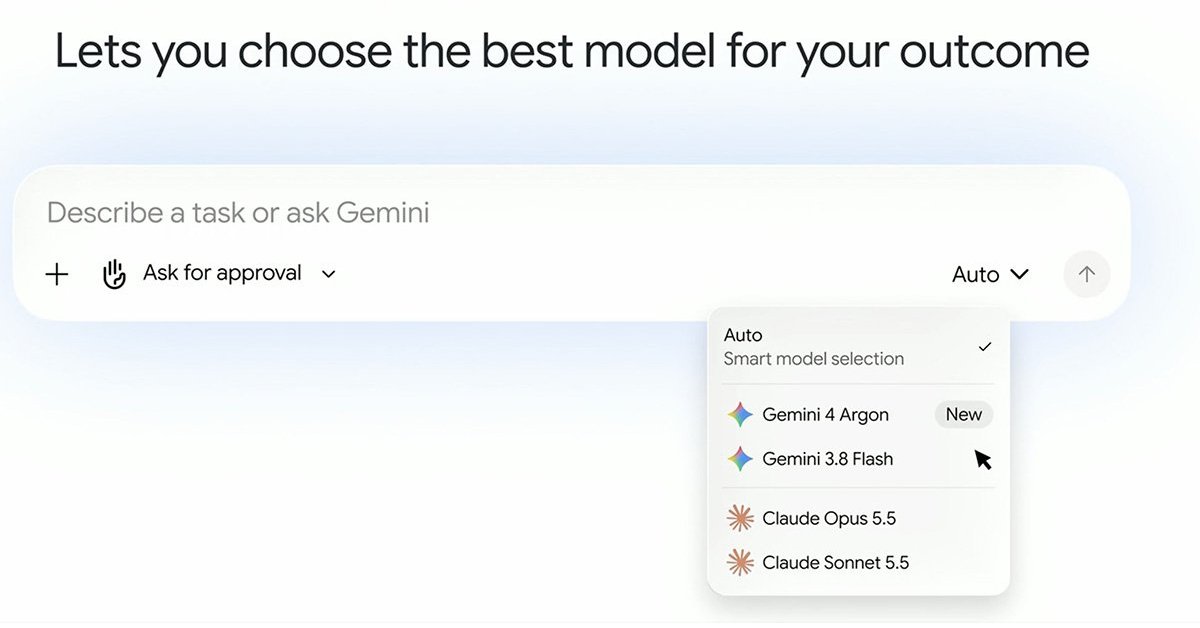
Google Cloud announced Gemini Agent on October 9, a multi-agent tool that runs in the cloud and isn't locked t…
Meta unveiled Muse Wonder and the higher-tier Muse Wonder Full on October 12, calling them its largest and mos…