What happened
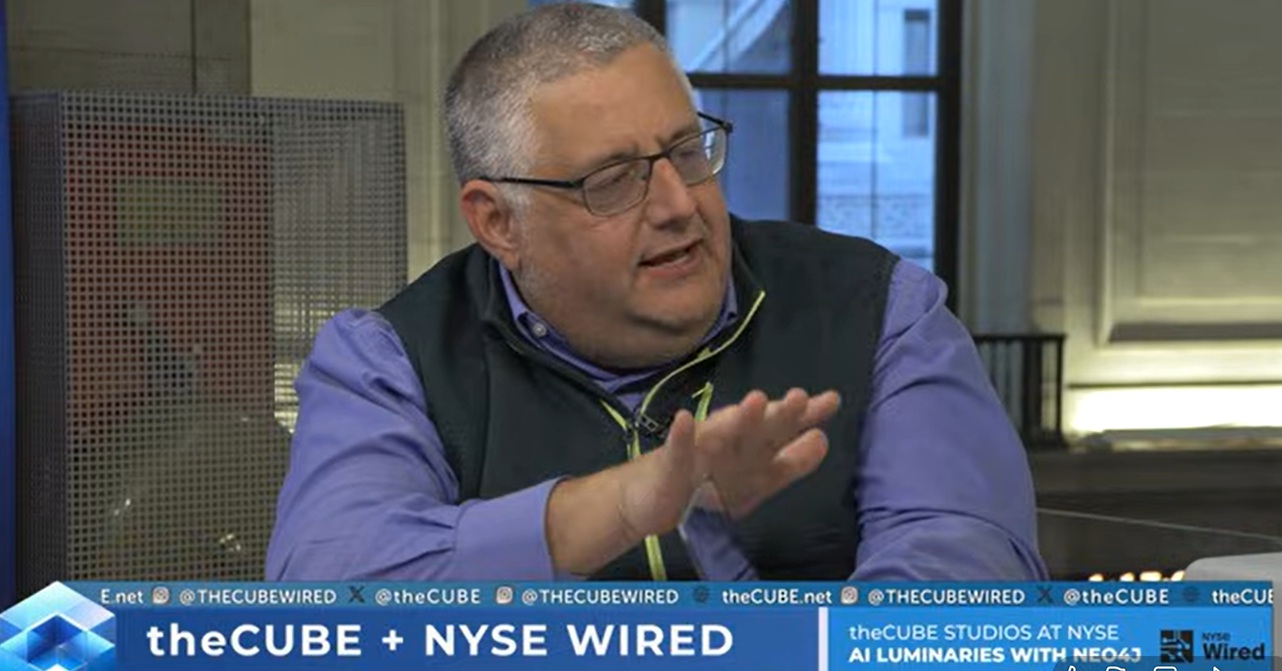
McKinsey distinguished partner James Kaplan said AI can now interrogate messy, unstructured data and turn it into structured data and deterministic business rules stored in a knowledge graph, work once done by business analysts or data scientists.
Why it matters
That capability lets enterprises query complicated processes and define their business rules programmatically, which Kaplan said opens up whole new frontiers.
WHO IT HITSEnterprise data and analytics teams that currently rely on analysts to model complex business processes would be able to automate that work. IT leaders evaluating AI platforms may also look at knowledge graphs as a way to give generative AI applications context.
Summaries like this, in your inbox every morning.
Kaplan framed knowledge graphs as familiar technology that enterprises have been slow to adopt. He noted that social media companies arrived at the power of graphs before the enterprise did, and that anyone using LinkedIn, Wikipedia or social media is already using a graph. The shift he described is about who does the work: previously, evaluating messy information required time-consuming, expensive and often imperfect work by business analysts or data scientists. Now, he said, AI can interrogate that data and create deterministic business rules programmatically.
McKinsey's own use of the technology runs through EcliptOS, which the firm describes as an AI operating system that connects C-suite strategy with everyday execution through agentic workflows. Kaplan said the system amounts to a graph of databases, and that graphs' flexible data schemas make it easier to create a virtual graph connecting many databases. He also suggested business priorities should guide where organizations apply AI improvements, giving customer experience as a possible example ahead of productivity. The richer the interconnections among nodes, he said, the more intelligence the graph has and the more things can be determined.
Pick your industry and the AI tools you use, and get news related to your work every day.
Free · 30 seconds with Google · unsubscribe anytimeWhat is AIToday? →
Ask AI anything about this article. The AI reads this article, earlier AIToday articles, and Wikipedia, and cites its sources. Q&As are published on this page for other readers too.
UBS analysts including Arpine Kocharyan said the churn and membership risk to Planet Fitness from Meta's Muse…

Axiom Solutions International, a cloud and power infrastructure spinout from Flex, secured $2 billion from Gen…

Anthropic added dynamic workflows to Claude Managed Agents

OpenAI's annualized revenue rate stood at roughly $50 billion at the end of September, the Financial Times rep…
Anthropic launched Cyber Mission, whose Critical Infrastructure Defense Program gives power grid, water system…

Chick-fil-A CEO Andrew Cathy told CNBC the chain won't substitute its drive-thru order-takers with technology…