AI's investment focus is shifting from tech builders to broader users.
Cloud backlogs tripled to $2.3 trillion, showing monetization.
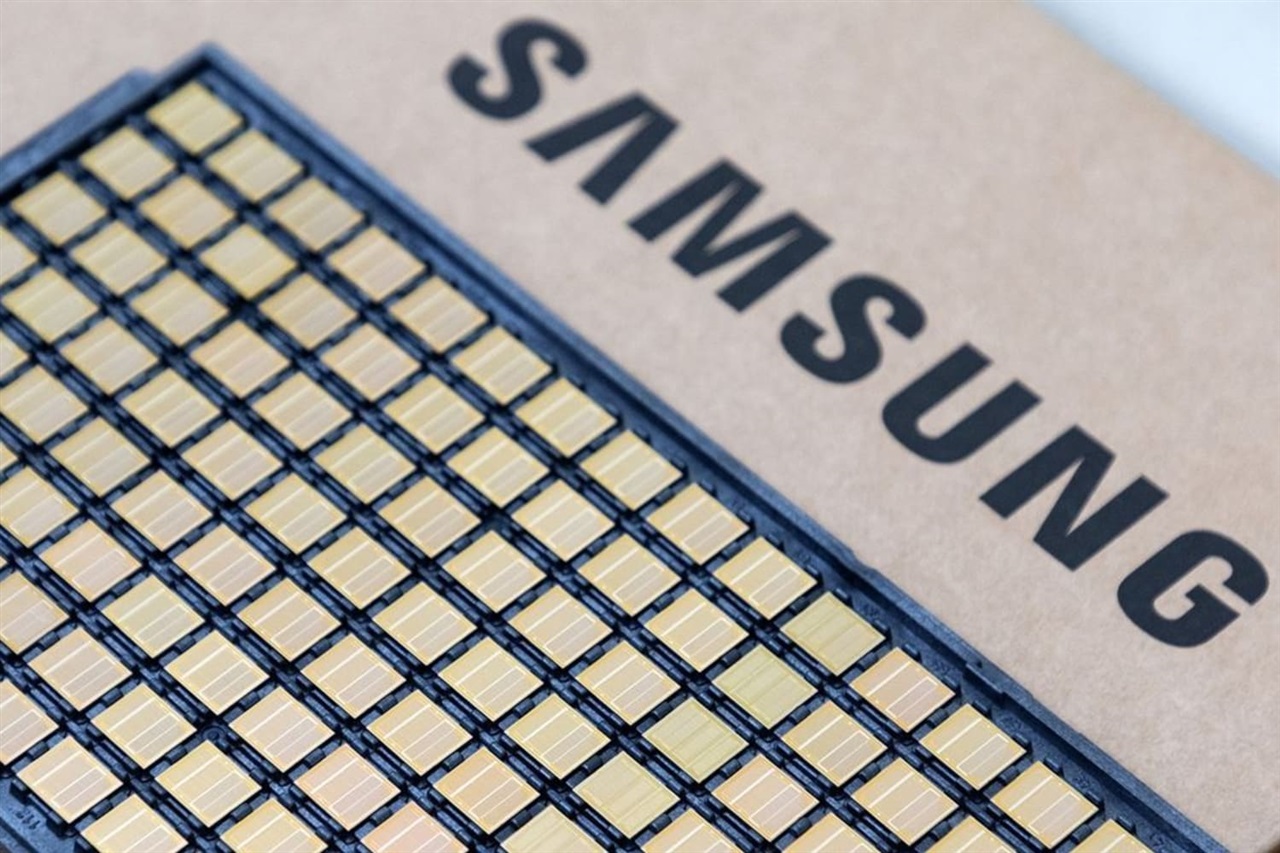
Chips now dominate data center costs, but supply constraints loom.
What happened
BlackRock's 2026 Thematic Mid-Year Update says AI's investment story is shifting from infrastructure to broader economic applications. Cloud revenue is accelerating, and the combined backlog of Amazon, Alphabet, Microsoft, and Oracle nearly tripled from $800 billion to $2.3 trillion in one year.
Why it matters
AI value is increasingly found in companies that deploy it, not just those that build it. For example, Kellanova invested $4-5 million in AI to improve Pringles quality by 10%, reduce waste by 13%, and achieve a 40% ROI. AI adoption is also spreading to slower-moving sectors like legal and medical administration.
What to watch
Bottlenecks in chips, materials, and power could slow the AI economy's scaling. Chips are estimated to account for 60% of data center build costs in 2026, up from 40% in 2021. Space is emerging as a frontier for solving some constraints, with solar panels in orbit generating 4-10 times more power than on Earth.
Ask the AI about this article →
BlackRock's mid-year update frames AI's next phase as moving from a tech-centric buildout to a physical economy. The nearly tripling of cloud backlogs at major providers signals that AI spending is beginning to generate revenue, but the report warns that value creation depends on deployment, not just investment. For instance, Kellanova's AI use in manufacturing demonstrates tangible benefits.
The report highlights structural constraints, from semiconductor supply to power demand. U.S. electricity demand growth is projected to average 5.7% annually through 2030, the fastest since the 1960s. These bottlenecks could shape which companies benefit, and they may also open new frontiers like space-based computing, where solar panels could generate four to ten times more power than on Earth.
For example, today's edition would include:
AI-summarized, only the topics you pick — one digest a day via Email, Slack, or Discord.
Free · takes 30 seconds · unsubscribe anytimeWhat is AIToday? →
Ask AI anything about this article. Q&As are published on this page for other readers too.
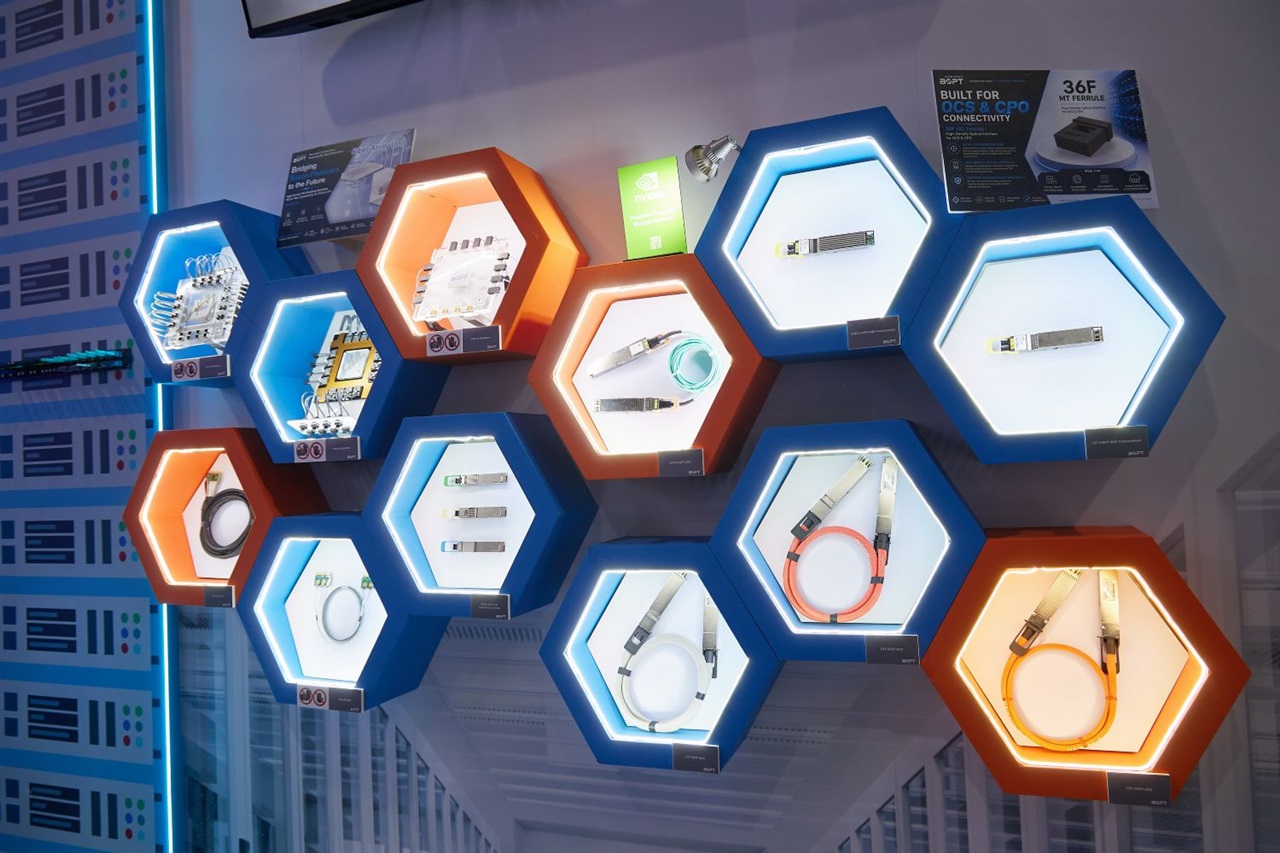
AI system scaling has pushed interconnect requirements inside data centers from chips and boards up to racks…
Chinese large-model developer Z.ai says it can now support large-scale inference using roughly 100,000 domesti…

Analyst Ming-Chi Kuo says Nvidia has revived the Rubin CPX AI accelerator with a substantially redesigned arch…
Palantir Technologies stock has posted multi-year gains, including an 11x return over 3 years

Apple has escalated its legal battle against OpenAI, claiming in a new court filing that OpenAI is actively de…

Samsung Electronics has locked up as much as 70% of its memory production capacity under long-term supply agre…