What happened
Google released Lyria 3.5, a music generation model that produces more natural-sounding melodies, better lyrics, and more realistic vocals. The model is now available through Google Flow Music and includes a new feature called 'Selective Section Painting' that allows users to edit specific parts of a track or turn short melodies into full songs without starting over.
Why it matters
The ability to edit individual sections without restarting the generation process makes music creation faster and more flexible for users. Users can also fine-tune tempo and duration of specific elements like vocals, drums, and bass, giving them more creative control over the final output.
What to watch
Tracks can run from 30 seconds to 3 minutes in length. Google has not provided details about the training data for Lyria 3.5, despite having disclosed that Lyria 3 was trained on materials YouTube and Google had the right to use under their terms of service, partner agreements, and applicable law.
Summaries like this, in your inbox every morning.
Google's release of Lyria 3.5 represents an incremental improvement over the previous Lyria 3 model, focusing on both output quality and user control. The addition of 'Selective Section Painting' addresses a real friction point in AI music generation—the need to restart from scratch when making changes to a song. By allowing users to edit specific sections and adjust individual element parameters (tempo, duration of vocals, drums, bass), Google is shifting the interaction model from "generate and accept" to "generate, refine, and iterate."
The training data question remains unresolved. Although Google disclosed that Lyria 3 was trained on materials covered by YouTube and Google's terms of service, partner agreements, and applicable law, the company has declined to provide specifics about Lyria 3.5's training sources. This lack of transparency mirrors broader questions in the AI industry about data sourcing and rights clearance for generative music models.
Pick your industry and the AI tools you use, and get news related to your work every day.
Free · 30 seconds with Google · unsubscribe anytimeWhat is AIToday? →
Ask AI anything about this article. The AI reads this article, earlier AIToday articles, and Wikipedia, and cites its sources. Q&As are published on this page for other readers too.
ElevenLabs completed a $300 million employee tender at a $22 billion valuation, and co-founder Mati Staniszews…

TOPPAN Holdings and Keio University ran a quantum-computer and generative-AI proof-of-concept from February 1…
Nichiren announced its generative AI voice usage guideline on October 15, built on three pillars: prior notice…

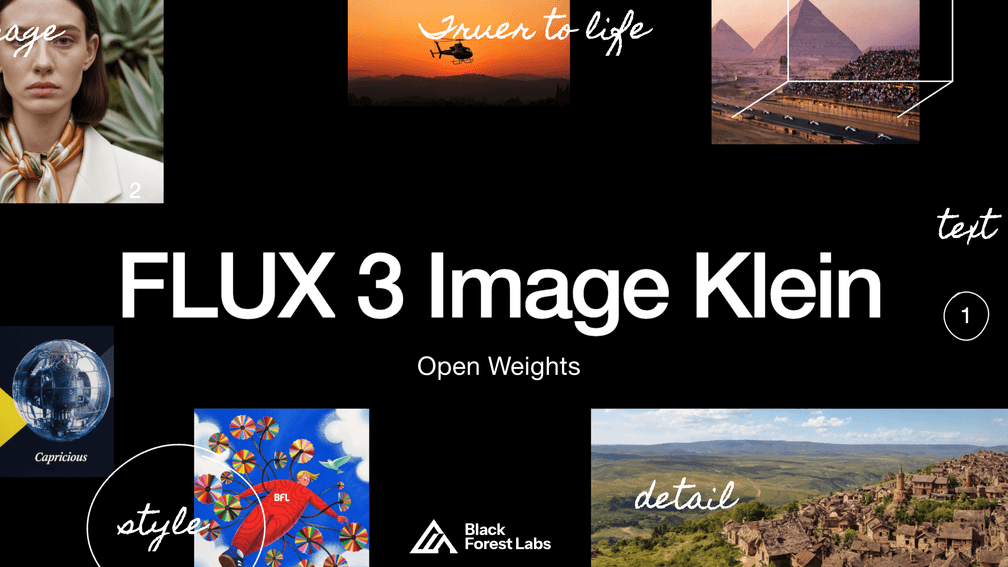
Black Forest Labs released FLUX 3 Image Klein as open weights on October 15, 2026 — a 5.6B-parameter model for…
Krea opened the beta for Krea 3, which does end-to-end 2K edits in under 8 seconds, accepts up to 8 reference…

A walkthrough shows Irodori-TTS, an open Japanese-only TTS model by Aratako, running on Databricks Model Servi…