
The European Commission concluded a specification proceeding into Google's AI implementation on Android and is proposing broad changes to make the platform more hospitable to third-party AI services. A final decision will be made no later than July 27 of this year.
Currently, Gemini has exclusive system-level access on Android—for example, it is the only route to send an email in your default mail client or share a photo with friends. The EU is proposing that third-party AI tools be allowed system-wide invocation via hot words or button presses, access to screen context, and the ability to run local models with hardware access provided by Google free of charge.
Google argues the mandate would 'strip away autonomy' for device makers and 'mandate access to sensitive hardware and device permissions,' while the Commission says the changes will 'open up Android devices to a wider range of AI services, so that users will have the freedom to choose.' Failure to comply could result in fines up to 10 percent of Google's annual global revenue.
Ask the AI about this article →
For example, today's edition would include:
AI-summarized, only the topics you pick — one digest a day via Email, Slack, or Discord.
Free · takes 30 seconds · unsubscribe anytimeWhat is AIToday? →
Ask AI anything about this article. Q&As are published on this page for other readers too.
CBTS Technology Solutions LLC launched Forge Agents, a platform that turns a plain-language job description in…

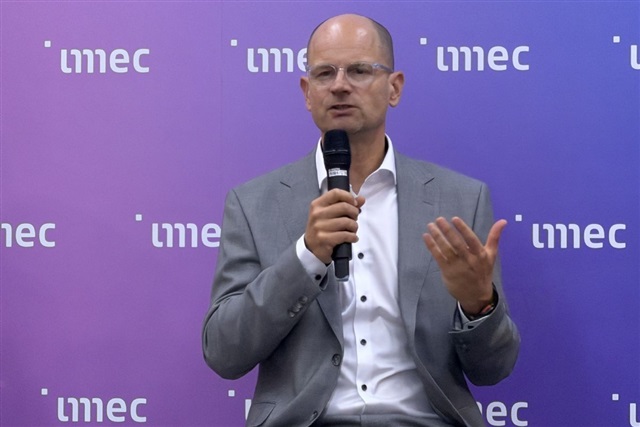
Imec CEO Patrick Vandenameele said at SEMICON Taiwan 2026 that the Belgian research center is broadening its c…
Alphabet's AI Overviews now reach over 2.5 billion monthly users through Google Search, and its ad business ge…

Visual Studio Code 1.135 now includes an experimental 'Rubber Duck' feature that lets developers request a sec…

Amazon Web Services (AWS) has integrated its fully managed data warehouse service, Amazon Redshift, with Agent…

Sonos announced a new app update with generative AI features, a new soundbar called the Beam Ultra, and its se…