What happened
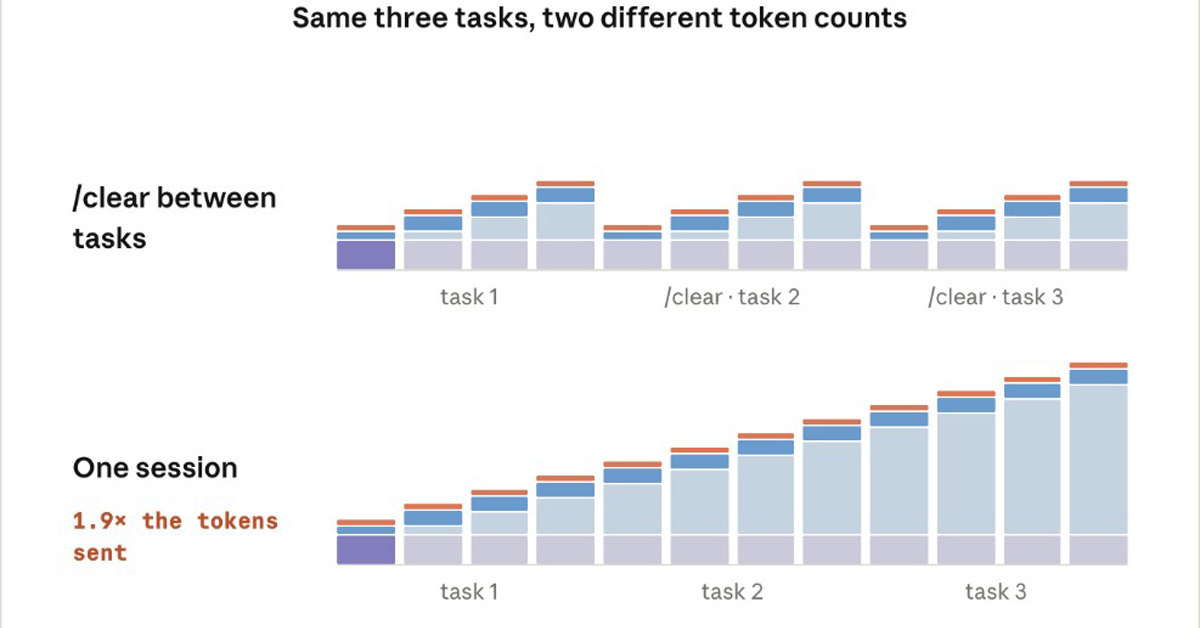
Anthropic posted guidance saying Claude Code's output tokens cost about 5 times its input tokens, and that one long session costs more than splitting the same work into short sessions.
Why it matters
Agentic coding tools bill per task, not per subscription, so how a session is run directly changes what teams pay — cache reads cost 0.1× input, while restoring a broken cache can cost up to 2× input.
What to watch
The savings hinge on whether prompt caches survive, since they expire one hour after last use or 5 minutes after the API key's last use; watch whether teams adopt Anthropic's advice to set /model and /effort at session start.
WHO IT HITSDevelopers and engineering teams running Claude Code who pay per token are the ones whose monthly spend this guidance speaks to; the fixes Anthropic suggests, like clearing context between tasks and setting the model at session start, are actions an individual engineer takes, not a platform setting.
Summaries like this, in your inbox every morning.
Anthropic's post draws a distinction that matters for anyone paying per token: subscription-style coding tools hide the cost of a request, but agentic tools like Claude Code price each task separately. The post walks through where those tokens go, splitting the work into a prefill phase and a decode phase. In prefill, the model reads the request, the context, the system prompt, CLAUDE.md, the message, and everything added to the conversation since the last message, including files Claude read and command output. In decode, output tokens — the thinking, tool calls, and text — are generated one at a time.
Much of the guidance circles back to the prompt cache, which Anthropic describes as the mechanism that keeps costs down. A cached read costs 0.1 times the input price, and a write to the cache costs up to 2 times the input price but happens only once per token. Anthropic warns that user actions can invalidate the cache anyway: caches require a match at the start of the request, so switching models or effort levels mid-session, switching permission modes, running /compact, or simply leaving time to pass can force the whole conversation to be re-read at full price. The one-hour expiry after last use and the five-minute expiry after the API key's last use are the main culprits.
Anthropic's summary names four factors to watch as having the biggest effect on cost: long sessions, carrying too much context, using a larger model or higher effort level than the task needs, and a broken prompt cache. The practical suggestions — running /clear between unrelated tasks, setting /model and /effort before starting, attaching files rather than asking Claude to read them, checking /context early, and running /compact before the cache expires — all push in the same direction. Whether they bring bills down in practice is likely to depend on how carefully individual engineers follow the session-start advice, since the cheapest path Anthropic describes (cache reads at 0.1 times input) is also the easiest to lose to a mid-session change.
For example, today's edition would include:
AI-summarized, only the topics you pick — one digest a day via Email, Slack, or Discord.
Free · 30 seconds with Google · unsubscribe anytimeWhat is AIToday? →
Ask AI anything about this article. Q&As are published on this page for other readers too.
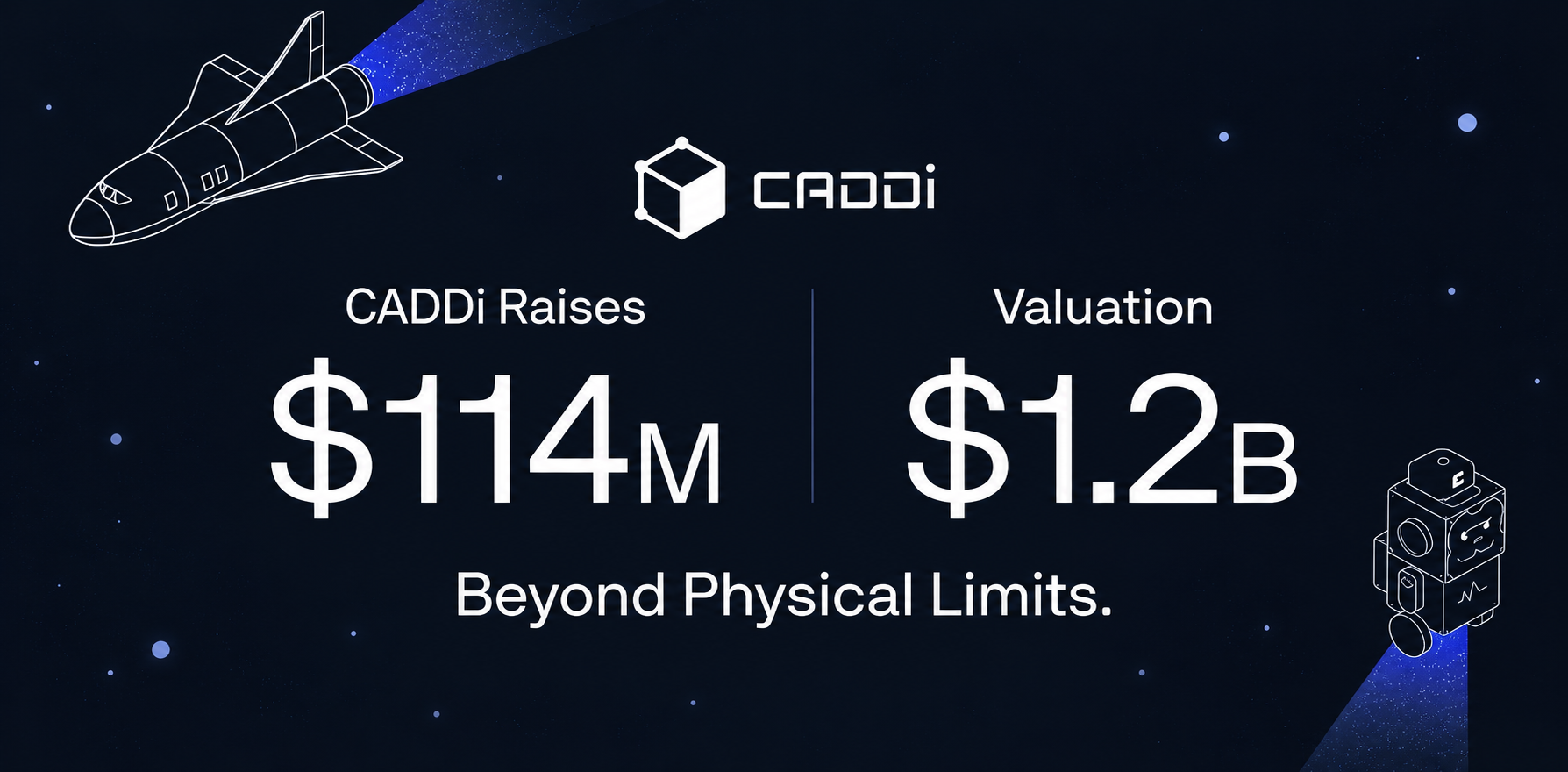
CADDi raised $114 million at a $1.2 billion valuation, versus the $470 million it reported at its March 2025 S…
Anthropic merged chatbot Claude with agentic tool Claude Cowork effective immediately, and launched Claude Doc…

Hang Ten Systems Inc., founded by ex-Infosys chief Vishal Sikka, announced a $53 million second seed round led…

Cohere and Aleph Alpha signed a merger agreement today, formalizing an April plan; the combined company will r…
Elon Musk has hinted at a Tesla-SpaceX merger, according to DIGITIMES, which notes the two companies are alrea…

The NSA, CISA, and FBI issued a joint advisory on September 8, 2026 saying Chinese firms including DeepSeek, M…